Most of the capital needed to open a café or restaurant in Vietnam goes into the lease deposit and the fit-out, not the equipment. And there is one line foreign owners leave out of the budget more often than any other.
Where the money goes
| Item | Note |
|---|---|
| Lease deposit | Commonly 3–6 months paid up front |
| Fit-out and construction | The largest share. Fire-safety requirements must be designed in |
| Fire-safety systems | Mandatory. Retrofitting after the interior is finished costs several times more |
| Kitchen and front-of-house equipment | An active second-hand market can cut this substantially |
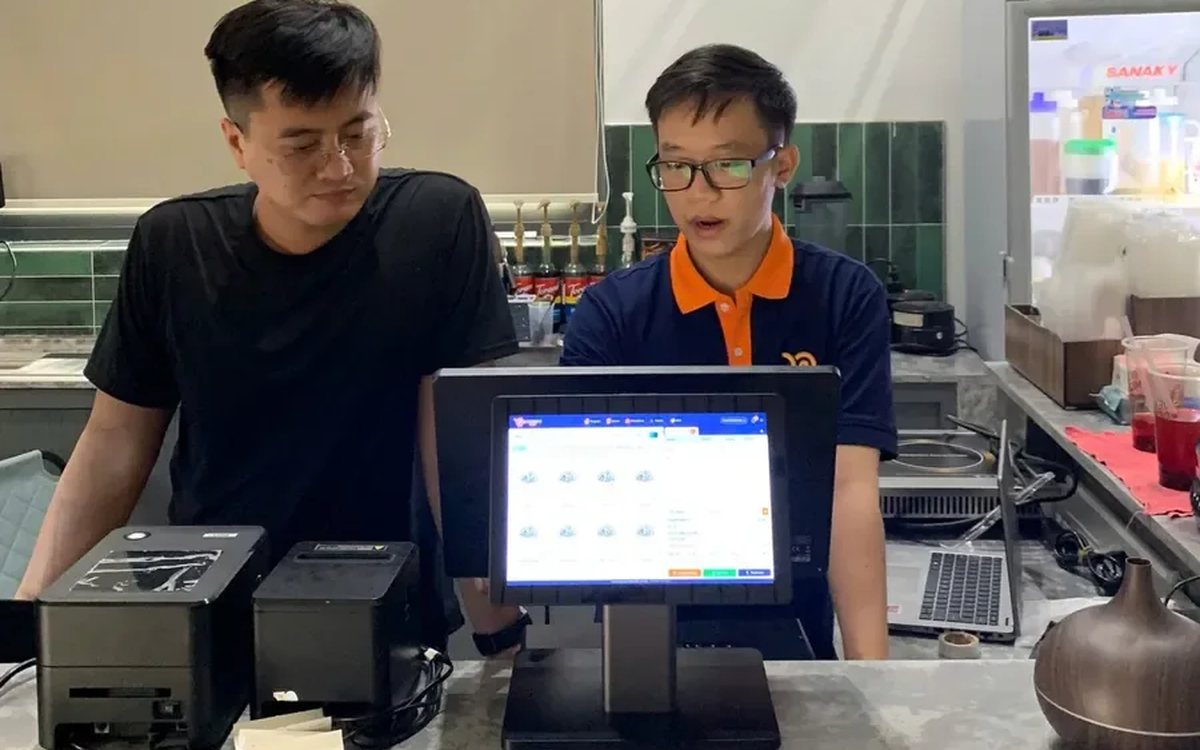
| POS, printer, internet | Check e-invoice compatibility before buying |
| Licences and signage | Varies by business type |
| Opening stock | Two to three weeks' worth |
| Operating reserve | The line most often left out — see below |
Three things specific to foreign owners
- Check fire-safety feasibility before signing the lease. Buildings down an alley or over several floors can be difficult. Finding out after you sign means your deposit is tied up.
- Settle the ownership structure. A foreign individual registering a household business is restricted, and putting the business in someone else's name offers little protection in a dispute — see the licensing checklist.
- Update your wage assumptions. The minimum wage rose on 1 January 2026 — Region I is 5,310,000 VND a month, 25,500 VND an hour. Business plans written earlier are often below that.
What actually drives payback
Not the number of seats — the number of times each seat turns over. An empty seat still consumes rent and electricity. And build your revenue plan on what remains after tax and wages, not on gross sales; gross figures make almost any plan look workable.
Ordersys tracks cost of goods per menu item and revenue by hour, so you know which items actually make money in your first months rather than your first year.
Ordersys has editions for restaurants and for retail stores: checkout, stock, reports and e-invoices, with on-site setup and training.