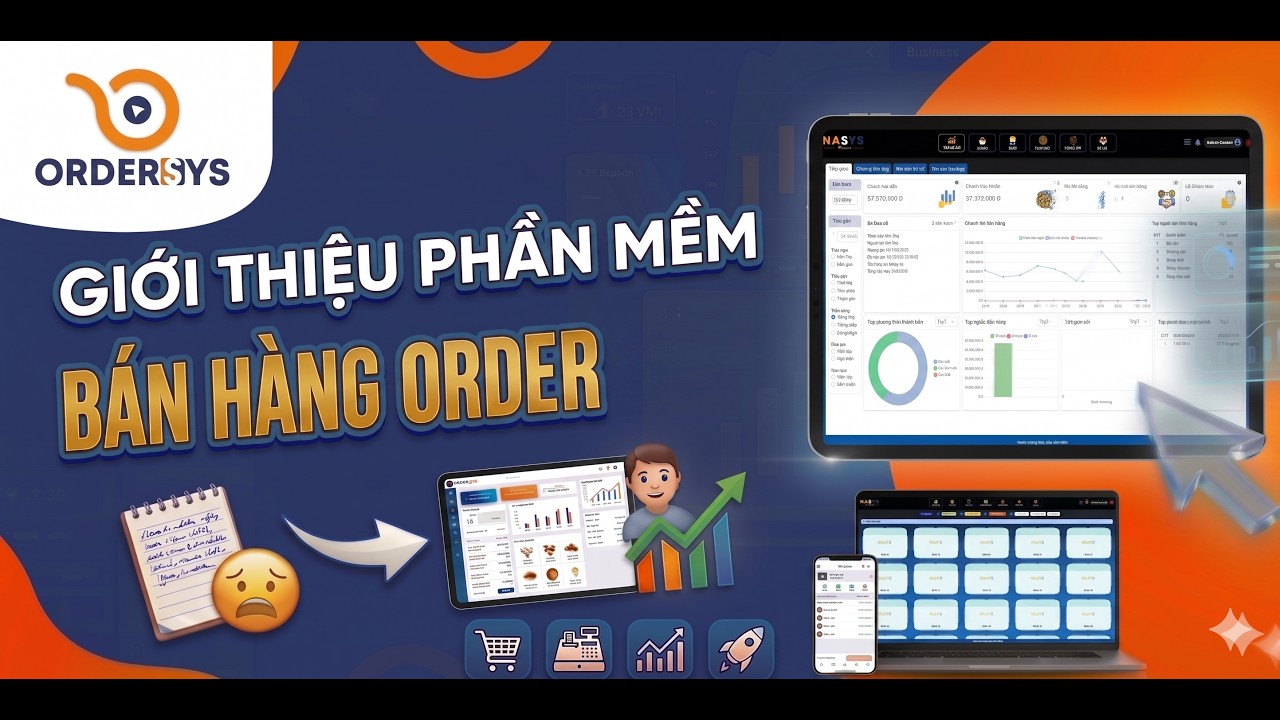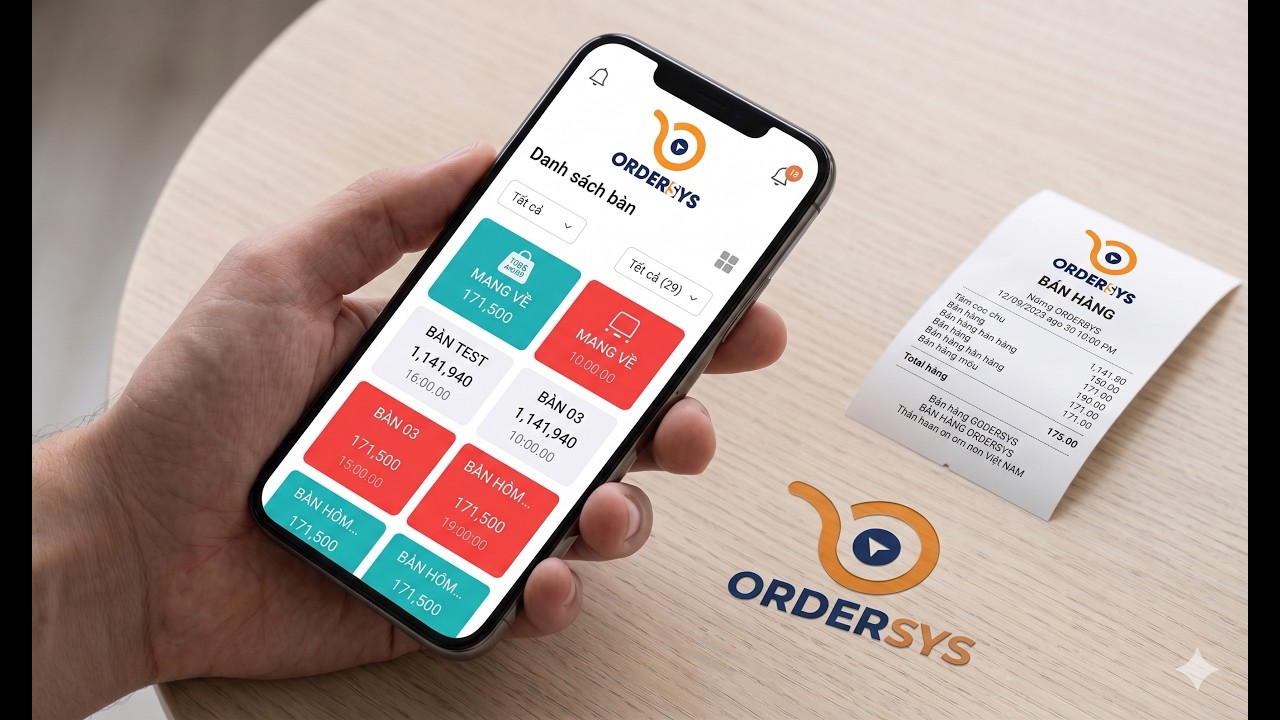
Software introduction
POS (Point of Sale) sales management software is a system used to support sales activities at the point of payment, facilitating the management of sales processes, payments, and transaction processing. POS is not merely a tool for payment support, but also a comprehensive solution for businesses across various sectors such as retail, restaurants, cafes, chain stores, supermarkets, and many other industries.
The POS system comprises both hardware and software components. Hardware may include computers, dedicated POS terminals, receipt printers, barcode scanners, or touch screens for cashier operations. POS software serves as the operating system, enabling businesses to perform tasks such as order creation, payment processing, revenue tracking, as well as inventory, customer, and employee management.
Key functions of POS sales management software include:
Sales management: Tracking and recording all sales transactions, from scanning product barcodes and generating invoices to printing receipts for customers.
Inventory management: Enables businesses to monitor stock levels, identify surpluses or shortages, and determine when to replenish inventory to meet sales demands.
Customer management: Stores customer information, tracks purchase history, and facilitates the creation of loyalty programs and promotions tailored to individual customers.
Revenue reporting: Provides reports on revenue, profit, and operational performance for each branch, employee, or specific product.
Omnichannel sales support: Integrates with online sales channels such as websites, e-commerce platforms, and social networks, enabling synchronization of orders from multiple sources.
The introduction of POS sales management software has transformed traditional management practices. Instead of performing tasks manually using ledgers, the software automates the sales process, enabling businesses to save time, minimize errors, and improve operational efficiency.