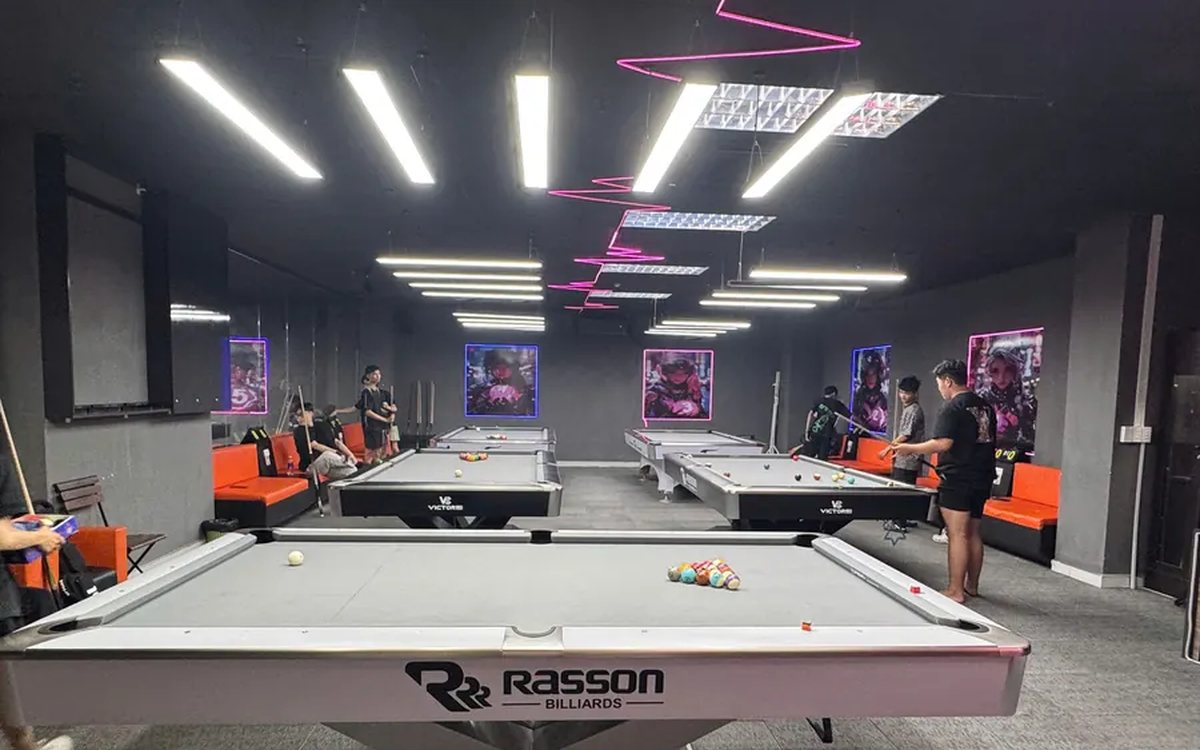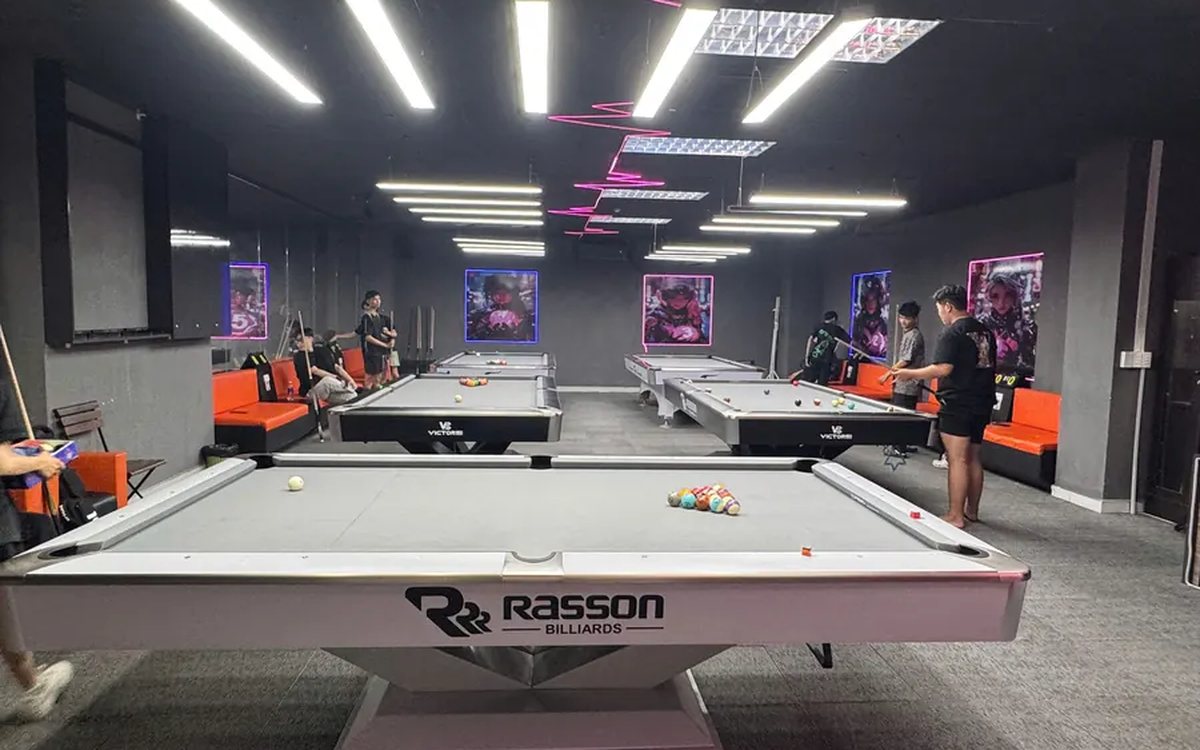
Most foreign owners opening a food business in Vietnam make the same mistake: they start the fit-out before sorting the paperwork. Fire-safety requirements have to be designed in, and fixing them after the ceiling and acoustic walls are up means tearing them back down. Here is the order that works.
Step 1 — Choose the legal form first
| Household business | Company | |
|---|---|---|
| Setup | Simple | More steps, more time |
| Tax | Rate applied to revenue | Corporate income tax, full books |
| Foreign ownership | Restricted — check before you commit | Separate investment registration |
| Adding branches | Awkward | Designed for it |
Step 2 — Fire safety, at design stage
This is the step that delays openings most often. Requirements vary with floor area, number of storeys and building type, so check the premises can comply before you sign the lease. The two findings that come up again and again: escape routes used as storage, and interior materials outside the permitted range.
Step 3 — Food safety
Any venue preparing food on site needs to meet food-safety requirements, including staff health checks and hygiene training records. Some cases — selling only pre-packaged drinks, for instance — may be exempt, so confirm with the authority covering your district.
Step 4 — Alcohol licence
Serving alcohol on the premises needs its own licence. If you plan to serve beer or wine at all, this applies to you. It is the single most commonly forgotten item on the list.
Step 5 — E-invoicing
A household business with annual revenue of 1 billion VND or more in retail, food and beverage or services falls under e-invoices issued from a cash register. Even if you have no revenue yet, if your projections are anywhere near that threshold, choosing a compliant POS from day one is far cheaper than switching systems later. See e-invoice requirements in Vietnam.
Step 6 — Staff
Employment contracts of one month or longer must be in writing, and since 1 July 2025 the amended Social Insurance Law brings part-time workers into mandatory coverage when they meet the conditions. See hiring staff in Vietnam.
Why order matters more than the paperwork itself
None of these documents is difficult on its own. What hurts is doing them in the wrong order: leave fire safety to the end and you rebuild; pick the wrong legal form and you restructure your entire tax position. Steps 1 and 2 should be settled before you sign a lease.
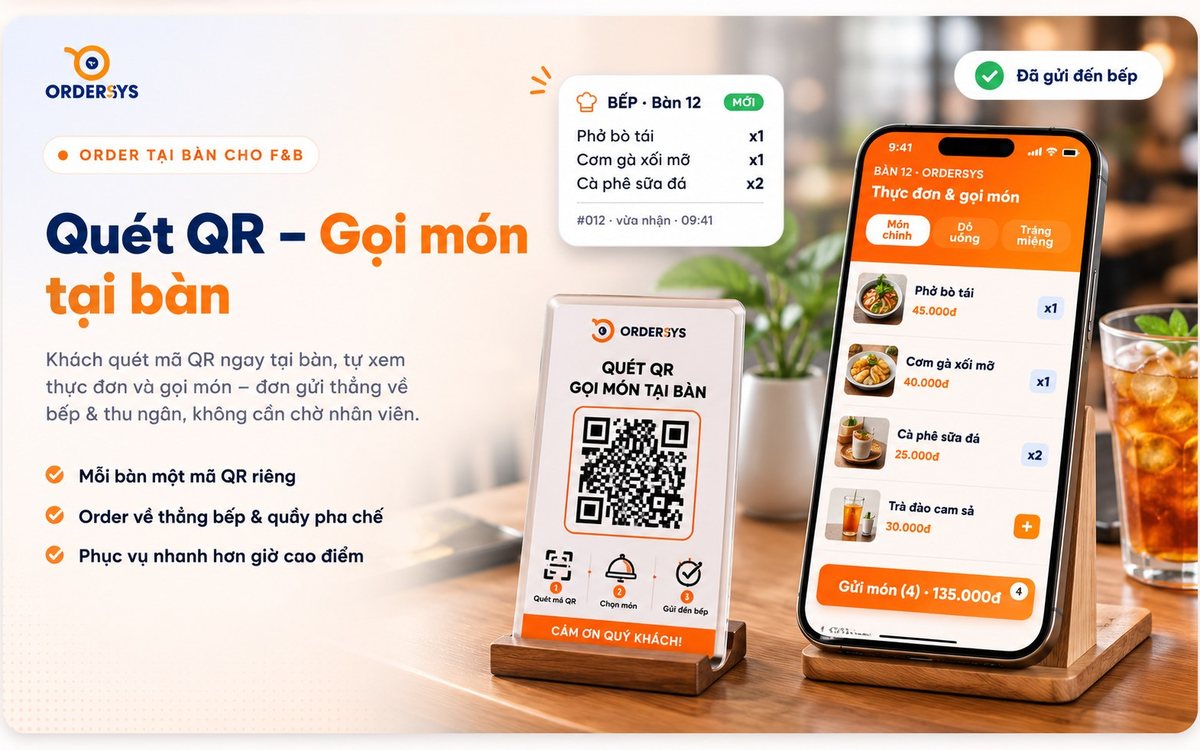
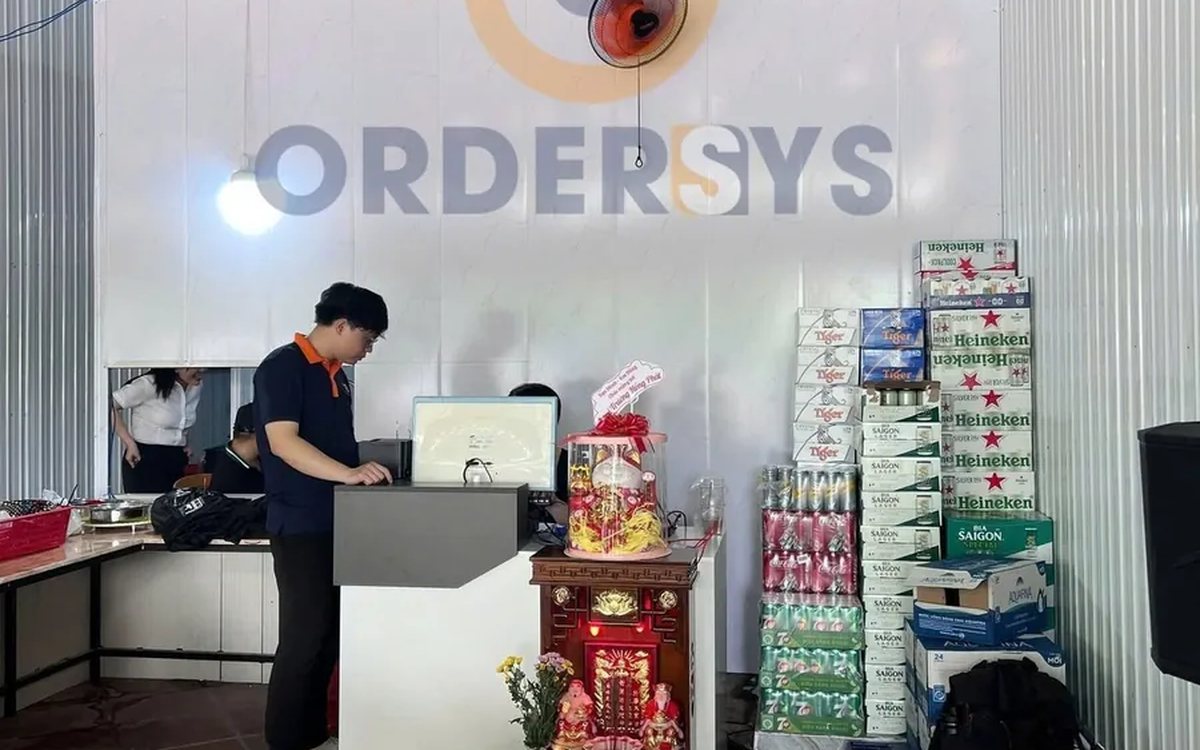
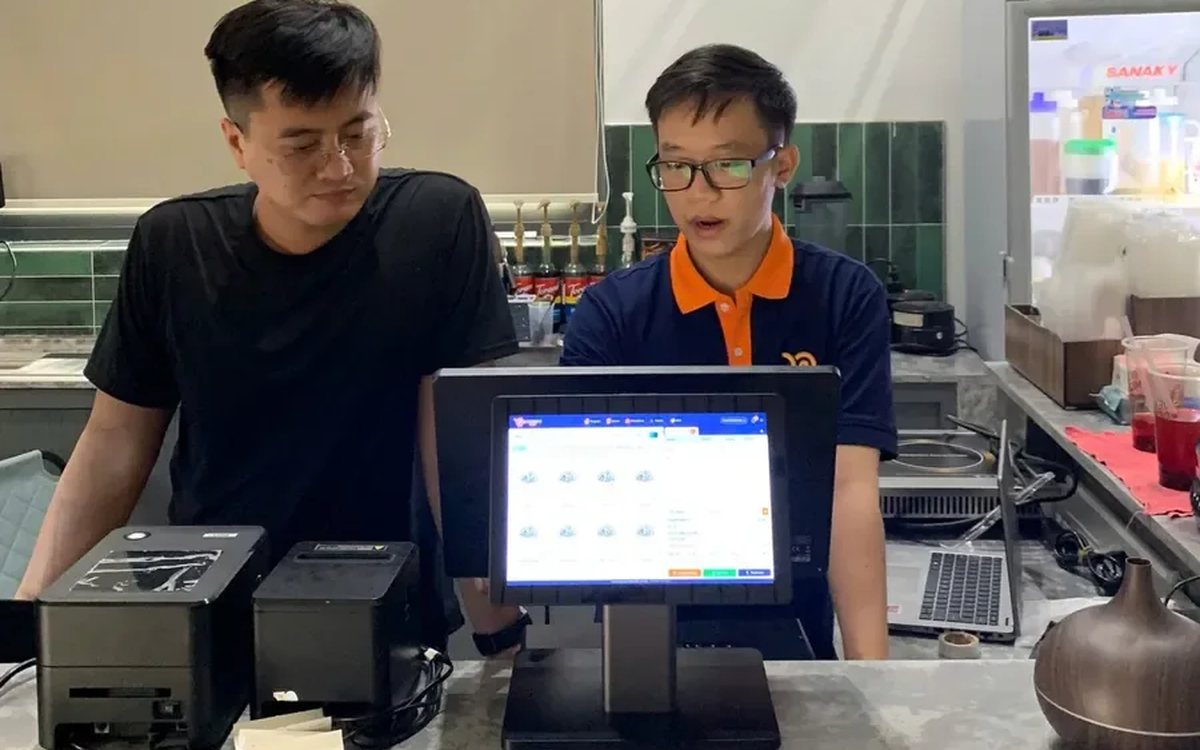
Ordersys is a Vietnamese POS and management system for restaurants, cafés and retail, with cash-register e-invoicing built in and local technicians who install and train on site — in English, Korean or Vietnamese.
This article is a general guide based on regulations in force at the time of writing. Requirements differ by locality and business type — confirm with the authority covering your area before you begin construction.
Ordersys has editions for restaurants and for retail stores: checkout, stock, reports and e-invoices, with on-site setup and training.