



Many billiards clubs are not short of tools; they have too many. Table time is tracked on one app, table lights are switched at the counter, cameras record to a separate recorder, scores are kept on a flip board, livestreams run from a handheld phone, and customer debts live in a notebook. Each piece works, but at the end of the day none of them match. This article covers how to bring timing, scoring, cameras and livestreaming into one all-in-one billiards club management software: what it brings together, where the gain is, and what to test before you decide.
Where separate tools get stuck
Each separate tool solves exactly one job. The cost sits in the gaps between them, where staff have to remember, copy and cross-check by themselves:
- The light is on but the clock is not running. Lights are switched by hand at the counter, play time is started in another app. Forget once and that table plays for free, with nothing to check against.
- There is a camera but nobody opens it. Video sits in the recorder; to see a shot again you scrub by time. When a customer asks for a clip, staff have no time to look for it.
- The livestream needs scores typed by hand. The streaming phone does not know the score, so whoever runs it has to film and edit the on-screen text at the same time.
- Revenue and debts do not line up. Table time is in the app, drinks are in the till, customer debts are in the notebook. Closing a shift means adding three sources by hand.

What one software brings together
Ordersys billiards management software links these jobs to the same play session of a table. Opening the table starts the chain; closing the table ends it:
| Job at the club | Separate tool often used | In the all-in-one software |
|---|---|---|
| Charging table time | Timer app, clock, notebook | Timing per table by table type (pool, three-cushion, carom), prices by time slot and by weekday or weekend |
| Table lights | Switches at the counter | Light turns on when the table opens and off when it closes; remote on/off from the till or a phone |
| Drinks, food | Paper notes, a separate till | Customers scan the QR at the table and order themselves; items go onto that table's bill together with table time |
| Scoring | Hand flip board | Scoreboard on the app, shown on a screen or TV at the table, with match history saved |
| Camera | Separate recorder | Every score entry creates a highlight from that table's camera; customers scan a QR to replay their own table's camera |
| Livestream | Phone, text typed by hand | Stream to Facebook or YouTube, with the scoreboard shown on the frame automatically along with the club's name, address and phone number |
| Regulars, debts | Notebook | Members, recording debt right at payment, a debt summary screen |
| Combos, time-based promotions | Staff memory | Play-time combos with drinks, discounts by time slot and by hours played, calculated automatically at payment |
Beyond that, the software has revenue reports by table, time slot, shift and staff member, end-of-day shift closing, income and expenses, inventory, and e-invoices issued right in the software.
The real gain is that the parts talk to each other
Bringing everything into one place is not only about fewer apps. The real gain is that data flows from one part to the next without anyone copying it:
- Table lights follow the timing session, so a lit table means the clock is running.
- The score entered on the app feeds the table scoreboard, the camera highlights and the livestream scoreboard. Enter it once and all three have the number.
- Table time, drinks, combos and the part a customer puts on credit sit on the same bill, so the daily report separates cash actually collected from money still outstanding.
- When there is a dispute over a score or play time, open the clip for that exact moment instead of scrubbing through the whole evening.
When you do not need everything yet
A club with a few tables, the owner at the counter and no cameras yet does not need to switch everything on. Start with timing, drink ordering and reports; add automatic lights, camera scoring and livestreaming when the club is ready. What to avoid is buying many tools from many vendors and only then looking for a way to connect them.
What to test during the 7-day trial
- Open a table, order two items by QR, close the table: check the bill has both table time and items.
- Set up a discounted time slot and run a test bill for play that crosses into it.
- If you have the light kit: open and close a table and check the light keeps up.
- Score a short match and open that match's highlight list.
- Close the shift at the end of the day and compare with the cash in the drawer.
See Ordersys billiards management software
All of the above is in Ordersys billiards club management software: timing for multiple table types and price slots, table light control, QR ordering at the table, scoring, cameras, livestreaming, members, debts and e-invoices. To look at each part separately, read what billiards management software includes and livestreaming a billiards table with the scoreboard. Sign up for a 7-day free trial, or message us on Zalo or call 090 750 1000 for advice on switching on exactly the parts your club needs.
Ordersys times every table automatically, switches table lights, takes drink orders at the table and reports revenue per shift.
Other news
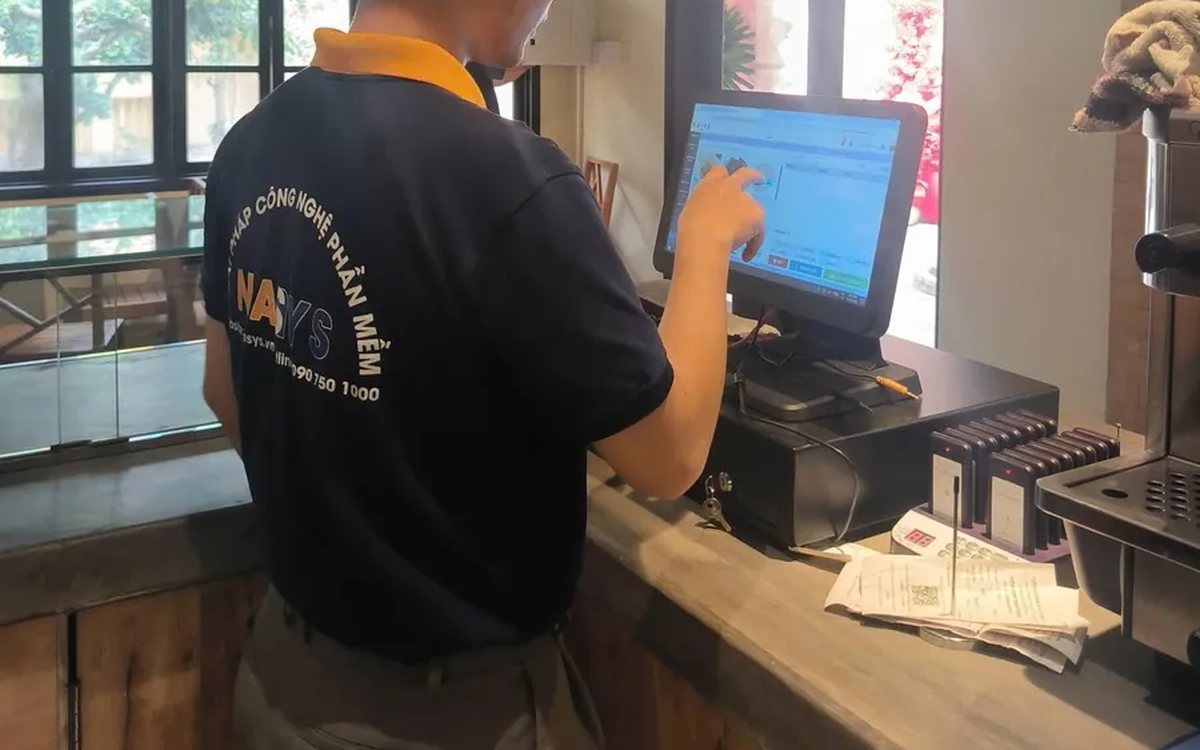
Choosing HR management software for a small business: seen from the four people who will use it every day
Small businesses have no HR department: the owner, the store manager and the accountant share the work, plus the employees themselves. This article suggests choosing HR software by each user's daily tasks instead of comparing feature lists, and how to split the demo by role to find out which parts will actually be used.
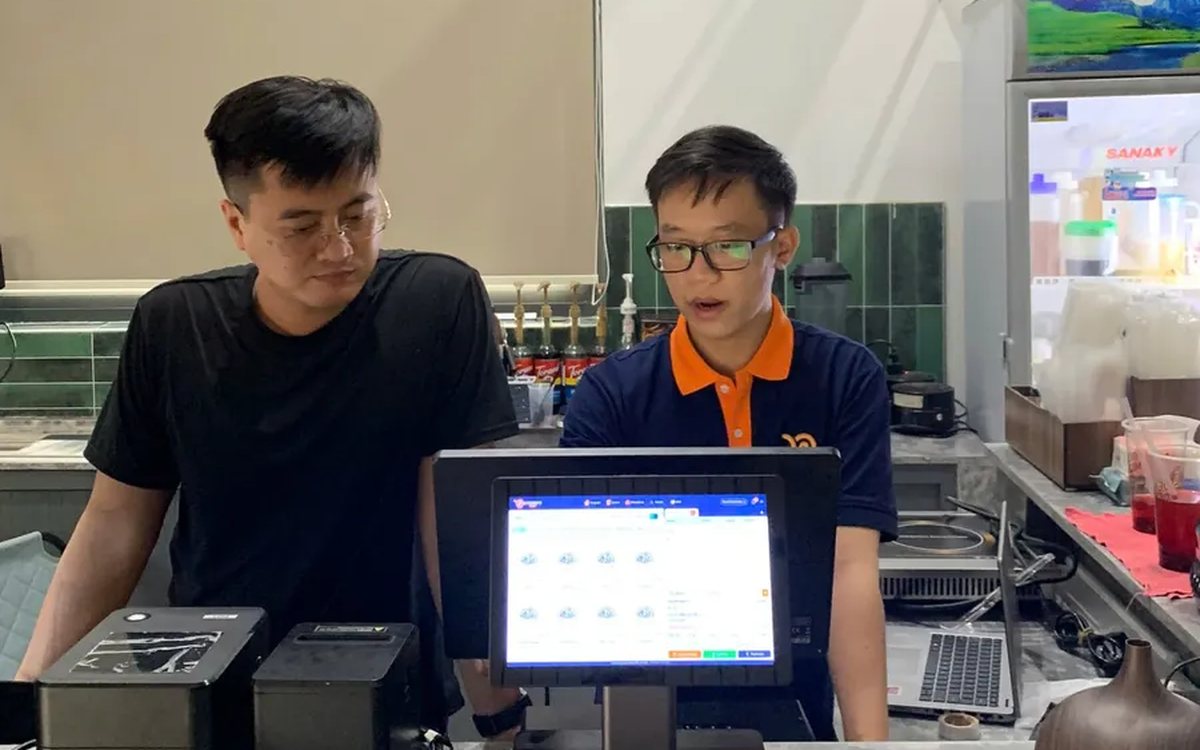
Choosing customer care software for shops and restaurants: four tools often mistaken for a CRM and six things to test in the demo
Personal Zalo contacts, Excel files, bulk messaging software and paper loyalty cards each cover only one piece of customer care. This article helps you choose the right customer care software: six things to make the vendor do in the demo, priorities for restaurants, retail, spas and chains, and three common mistakes.
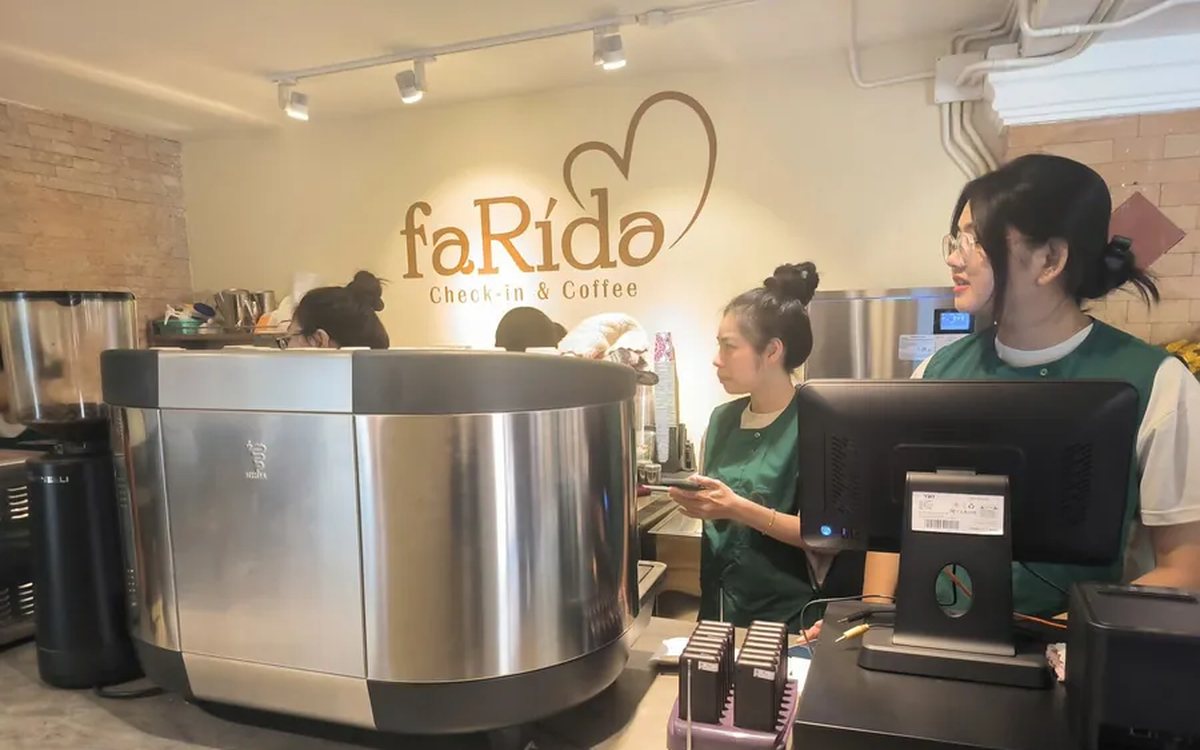
Café management software in Ho Chi Minh City: keeping up with the morning takeaway rush, multiple shops and how rollout works
Coffee and milk tea shops in Ho Chi Minh City need software that enters size, sugar, ice and toppings fast, prints a label for each cup, shows a transfer QR code on the customer display, keeps dine-in, takeaway and pre-orders together, costs each cup and lets owners watch several shops remotely; four rollout steps from the Ordersys office in Binh Thanh and three things to test in the 7-day trial.
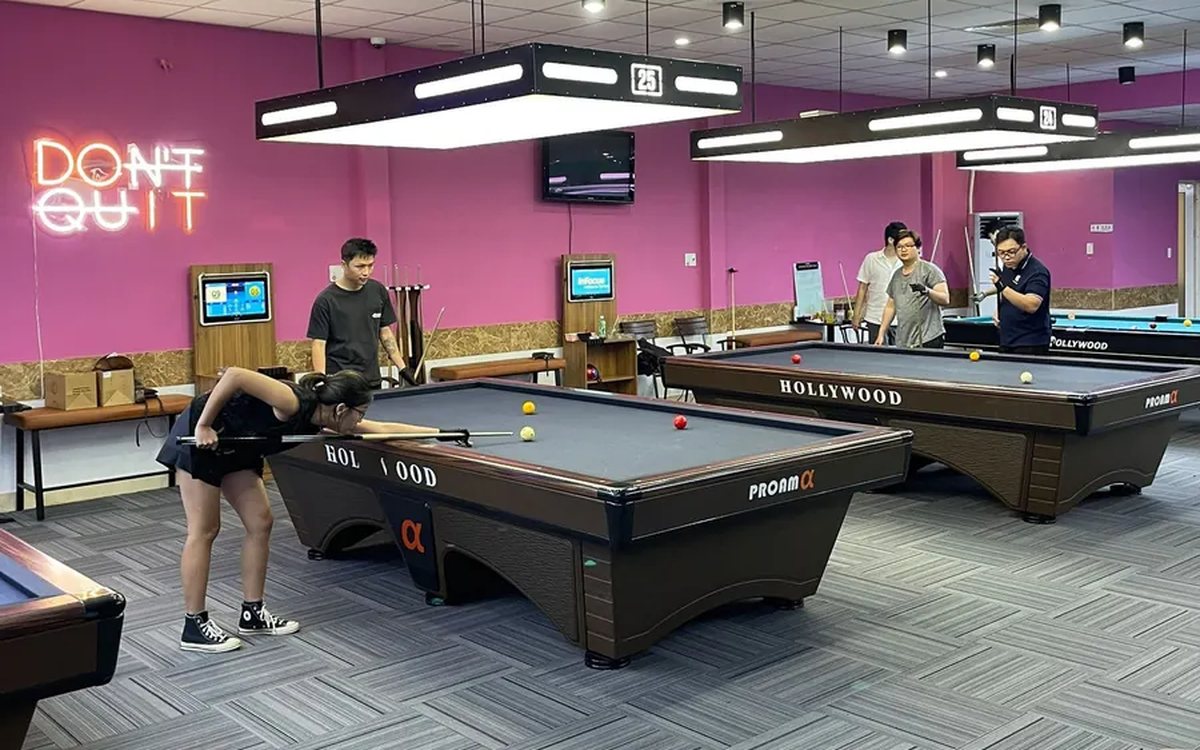
Billiards scoring software: record every inning, score by the rules, save match history
Scoring billiards in the hall app: four modes for 2 players, groups of 3–5 and 3–6 player elimination; set handicap, target score, innings and shot clock before the break; record each inning, return points, +1 to opponent; save matches and see each player's AVG, HIGH and win rate.
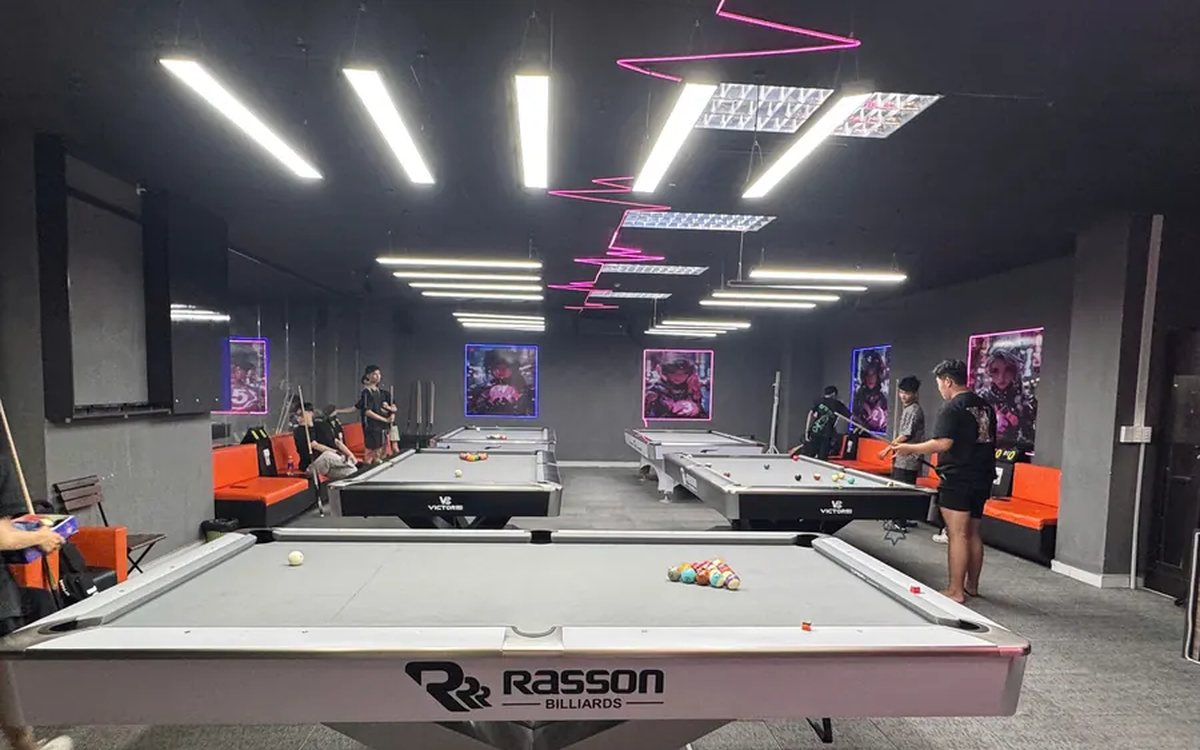
당구대 라이브 방송 + 점수판 자동 표시 (페이스북·유튜브)
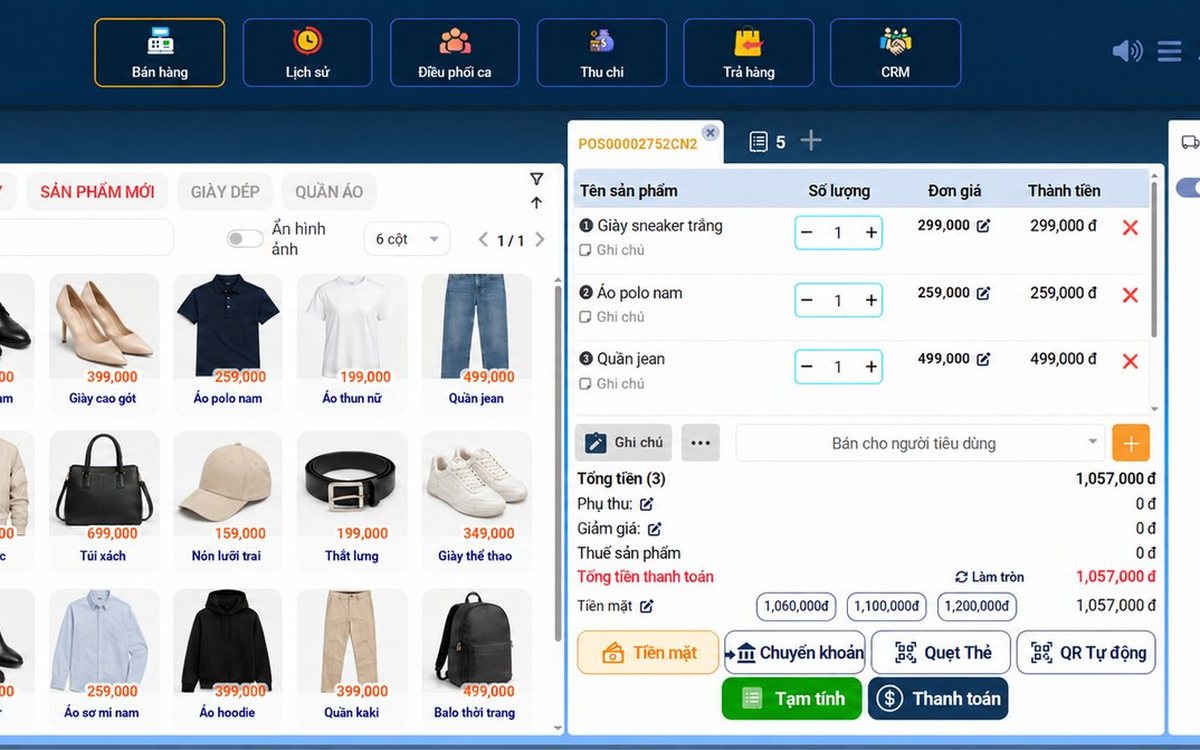
Sales management software in Da Nang: what seasonal tourist-town shops need, and how setup and support work
Shops in Da Nang serve crowds of tourists and live on regular customers: the software needs fast barcode checkout, VietQR and card payments, batch and expiry tracking for specialty foods, stock by size and color, and multiple outlets; reading reports for seasonal buying, four rollout steps and three things to test in the 7-day trial.

Switching hair salon software: keeping appointments, color formulas and stylist commission so no client slips through
Switch hair salon software without closing for a day: what moves by file and what must be rebuilt (service durations, chairs, commission rates), re-booking appointments by chair and stylist, carrying over regular clients' color formulas, and closing off commission and prepaid packages on the cut-over day.
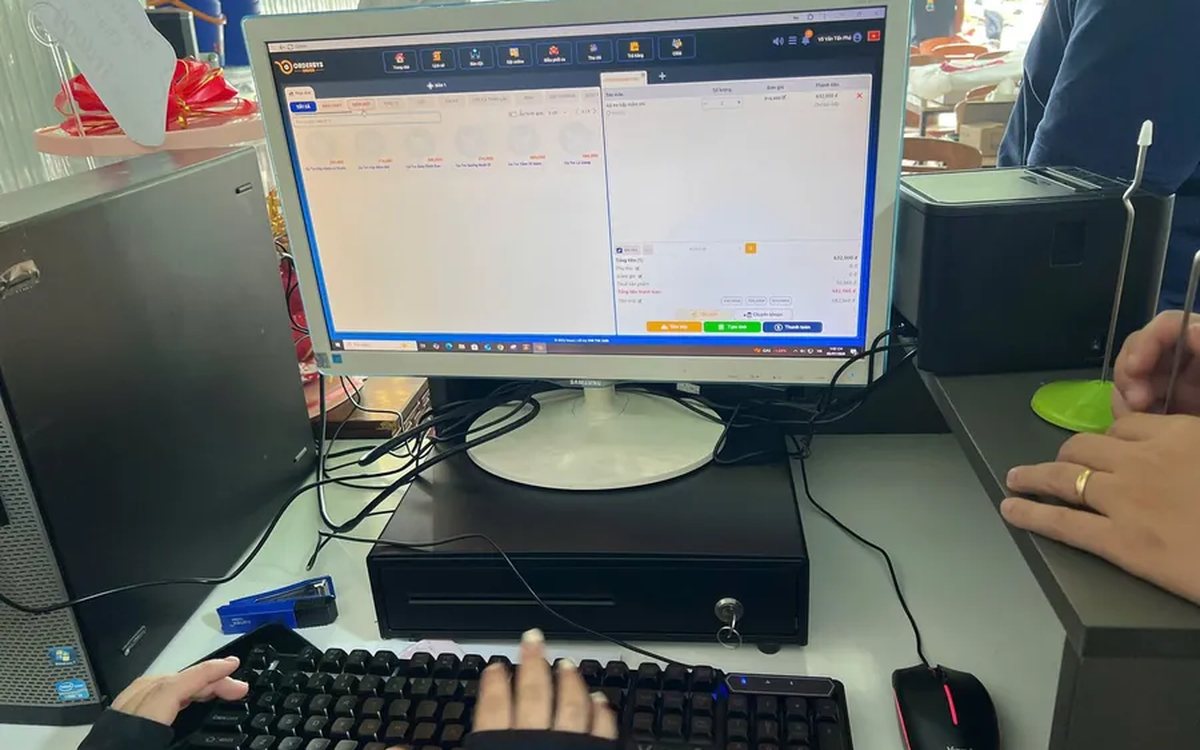
Restaurant management software in Ho Chi Minh City: handling peak hours, multiple branches and how rollout works
What restaurants in Ho Chi Minh City need software to do during the office lunch rush and weekend evenings: QR self-ordering at the table, tickets split to the right kitchen station, splitting and merging tables, matching bank transfers, watching several branches remotely; four rollout steps from the Ordersys office in Binh Thanh and three things to test in the 7-day trial.
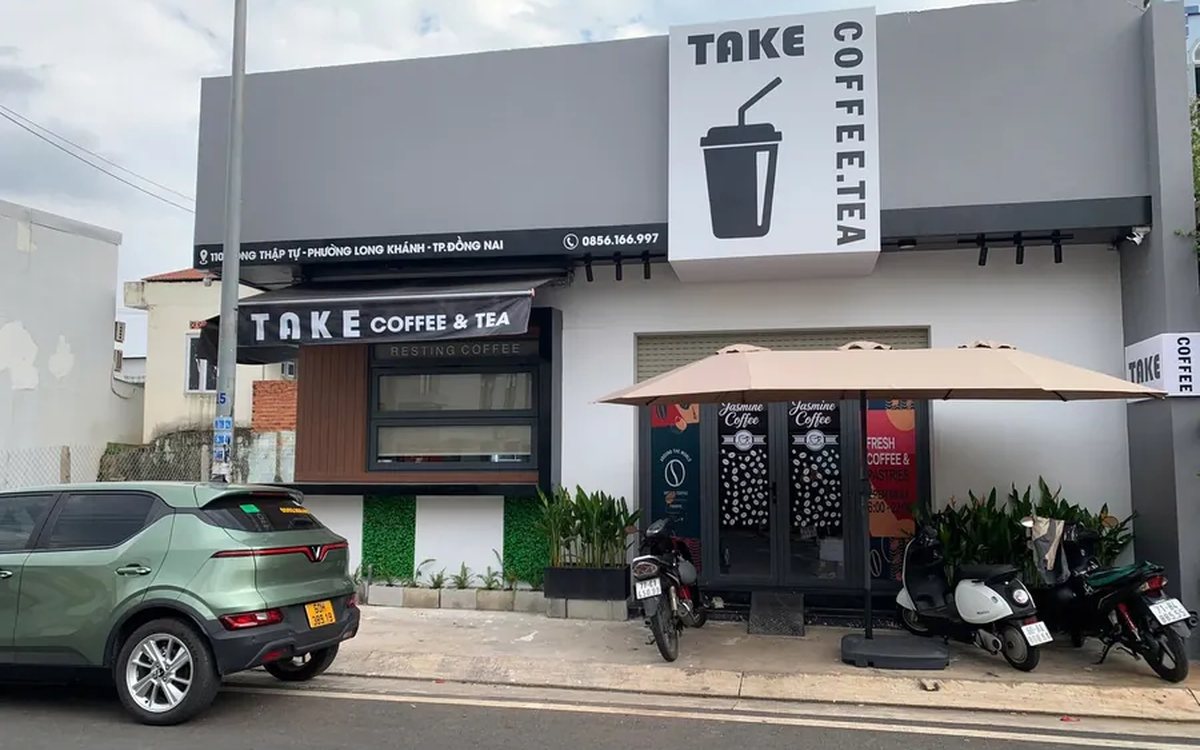
Switching cafe software mid-stream without interruption: what data to move, rebuilding options and cup labels, and choosing the cut-over day
Change cafe software without closing for a single day: a table of data that moves by file and what must be rebuilt, three common mistakes when moving a menu with sizes and toppings, what to finish before the cut-over day for label printers, customer display and recipes, and how to reconcile in the first days.
