



Lunchtime, and three tables ask for the bill at once. A customer finishes a bank transfer and holds up their phone — “I've sent it” — so the cashier has to open the banking app and hunt for that transaction while the other two tables wait. Automatic payment confirmation removes that hunt: the customer scans the code, the money arrives, the order switches to paid by itself and the cashier's screen is notified at once. This article explains how it works in ordering software for restaurants and cafés, and the cases where it deliberately does not close the order on its own.
Where the cashier loses time when customers pay by transfer
With a QR code stuck on the counter, every transfer is something the cashier has to check by hand:
- Looking for the money. Opening the banking app and finding the right transaction among dozens of others at rush hour.
- Matching the amount. When customers type the amount themselves it is sometimes a few thousand short, sometimes mixed up with another table's bill.
- Trusting a screenshot. When it is too busy, a “transfer successful” screenshot gets waved through — exactly where fraud slips in most easily.
- Changing the status by hand. After checking, someone still has to go back to the software and mark it paid; forget that and the table stays open until the end of the shift.
How the two kinds of QR code at the counter differ
Both are “scan to transfer”, but only one can close the order on its own:
| Regular transfer QR | Automatic QR through a connected gateway | |
|---|---|---|
| Amount and invoice code | Built into the code, the customer does not type them | Built into the code, created for the exact amount of the order |
| Who knows the money has arrived | The cashier checks in the banking app | The payment gateway notifies the software |
| Switching to paid | The cashier presses it | The software switches it when the amount matches |
| Gateways | The venue's own bank account | VietQR via BIDV, MoMo, VNPay — the venue must register and connect first |
From the customer's scan to the order closing itself
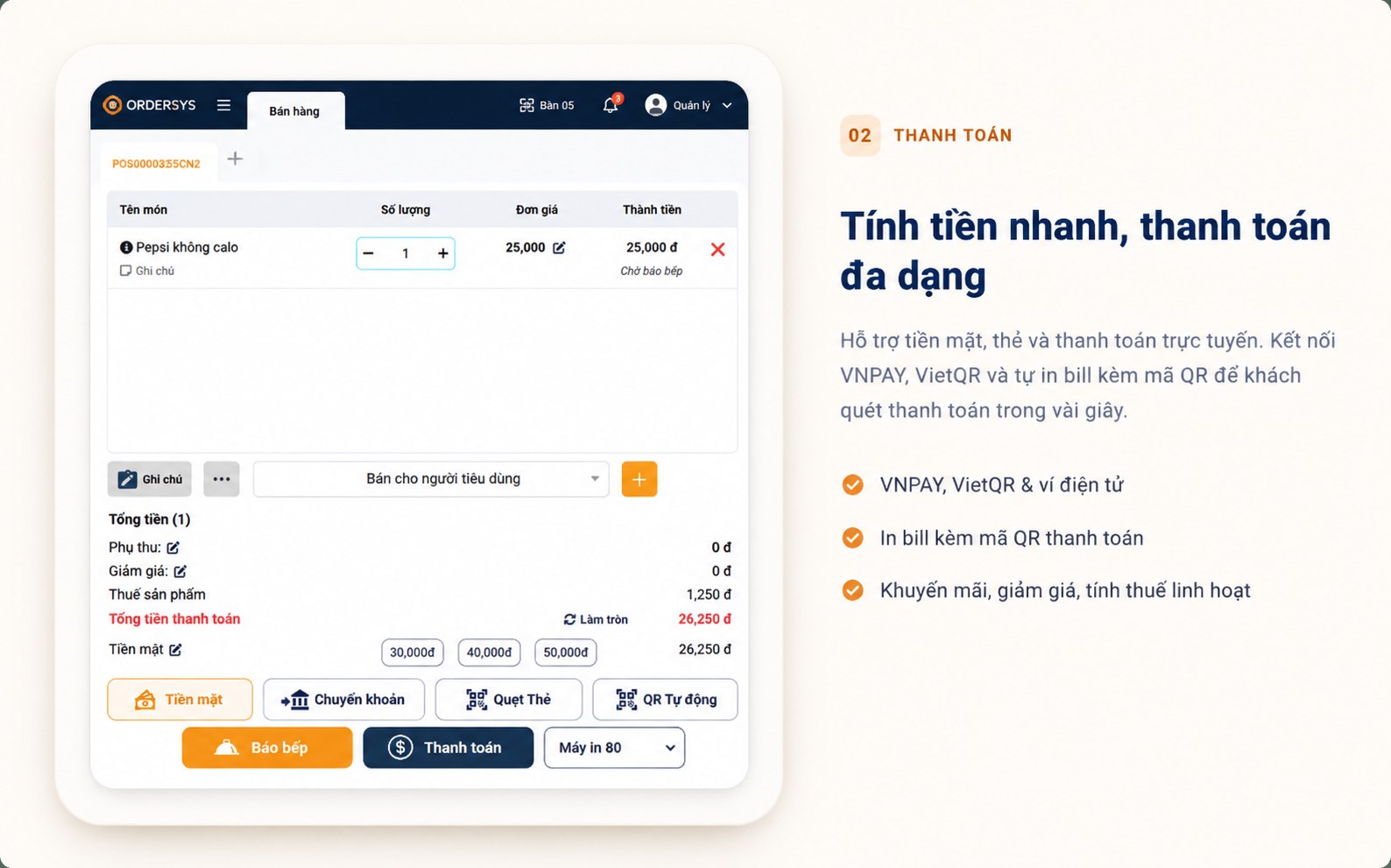
- The cashier chooses Automatic QR on the payment screen. The code is created for the exact amount of that order.
- The customer scans with a banking app (VietQR) or the MoMo wallet and confirms.
- The gateway reports back. With VietQR via BIDV and VNPay, the bank or gateway sends a notification to the software; with MoMo, the payment screen keeps asking MoMo for the transaction status while the code is displayed.
- The software matches the amount against the order. If it matches, the order switches to paid, the bill prints if the venue has set printing after payment, and the cashier receives a notification such as “[Zone A – Table 5 – invoice code] paid at 12:41”. For takeaway orders the notification shows the customer's phone number instead of a table name.
What happens automatically once the order closes
Closing automatically is more than changing one status. The after-payment steps run just as when the cashier presses the button:
- A receipt voucher is recorded in the cash book; the gateway's transaction code is stored on the order.
- Stock is deducted by the recipe quantities of each item sold.
- Vouchers and promotions have their usage counted; member customers earn or redeem points.
- With VietQR via BIDV, if the venue has connected e-invoicing, the e-invoice is sent in the same pass.
When the order deliberately does not close itself
- The amount does not match. If the reported amount differs from the order total, the software does not switch it to paid; the cashier checks and handles it manually.
- The order is already paid. If the gateway reports again, nothing more is recorded — each invoice is settled only once, with no duplicate receipts or double stock deductions.
- The customer orders more after the code is shown. When the total changes, create a new code for the new amount; do not let the customer scan the old one.
- The customer scans a regular transfer code. That code does not go through a gateway, so the cashier still confirms it.
End of shift: lighter reconciliation
Every automatically closed QR payment already carries the gateway's transaction code, so reconciliation only needs the QR total on the shift report compared with the money received, and any mismatch is traced by transaction code instead of by time. For detailed reconciliation, see QR payments at the venue: how to reconcile without losses.
See Ordersys ordering software
Automatic QR via VietQR (BIDV), MoMo and VNPay, together with cash, transfer and card, are all on the payment screen of Ordersys ordering software for restaurants and cafés, in the same system as the table map, kitchen tickets, stock and shift reports. Retail stores can also read VietQR payments at the store counter. Sign up for a free 7-day trial, or message us on Zalo or call 090 750 1000 for help connecting a payment gateway for your venue.
Ordersys has editions for restaurants and for retail stores: checkout, stock, reports and e-invoices, with on-site setup and training.
Other news
Inventory and stock software for retail stores: every item in and out has a document
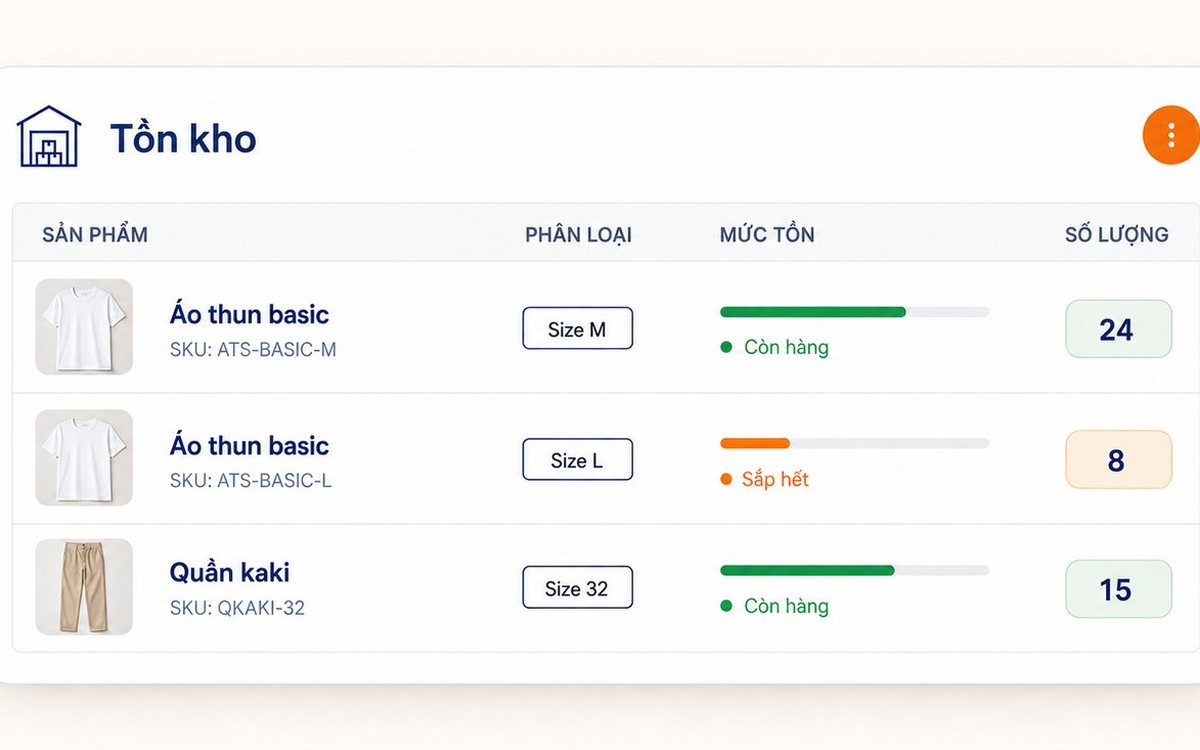
When the stock on screen does not match the shelf, the software rarely miscounted; goods left or entered the stockroom without being recorded. This article follows an item through a retail store: opening stock, two-step purchase receipts (incoming first, then received into stock), instant deduction on sale, branch transfer slips, supplier returns, approved adjustments, the In–Out–Balance report and stock limits.
Ordering software for takeaway cafés: fast to-go orders, no mixed-up cups
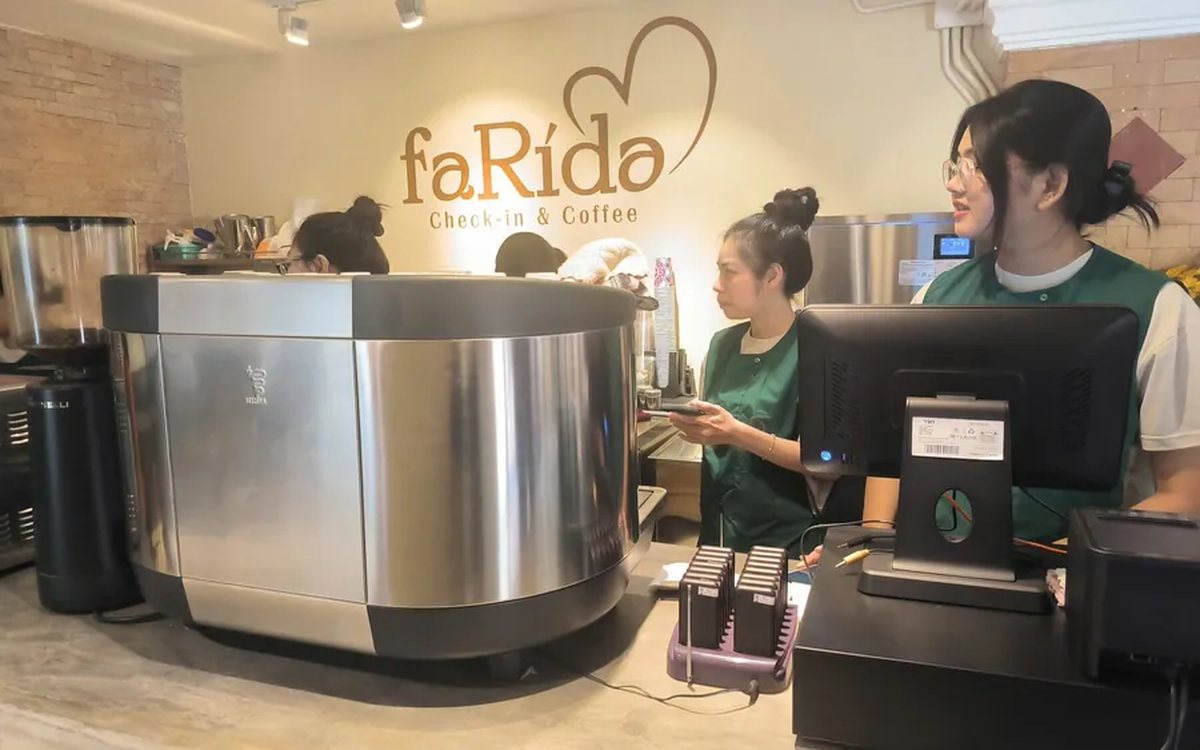
A takeaway café does not lose time at the espresso machine but in four steps at the counter: typing option notes, customers changing their mind late, waiting to check transfers and handing over the wrong cup. This article shows how ordering software fixes each step: size, sugar, ice and toppings as buttons, a customer display to confirm before the cup is made, a payment QR in the total box and a numbered label for every cup.
Sharing great billiards shots with customers over Zalo and social media
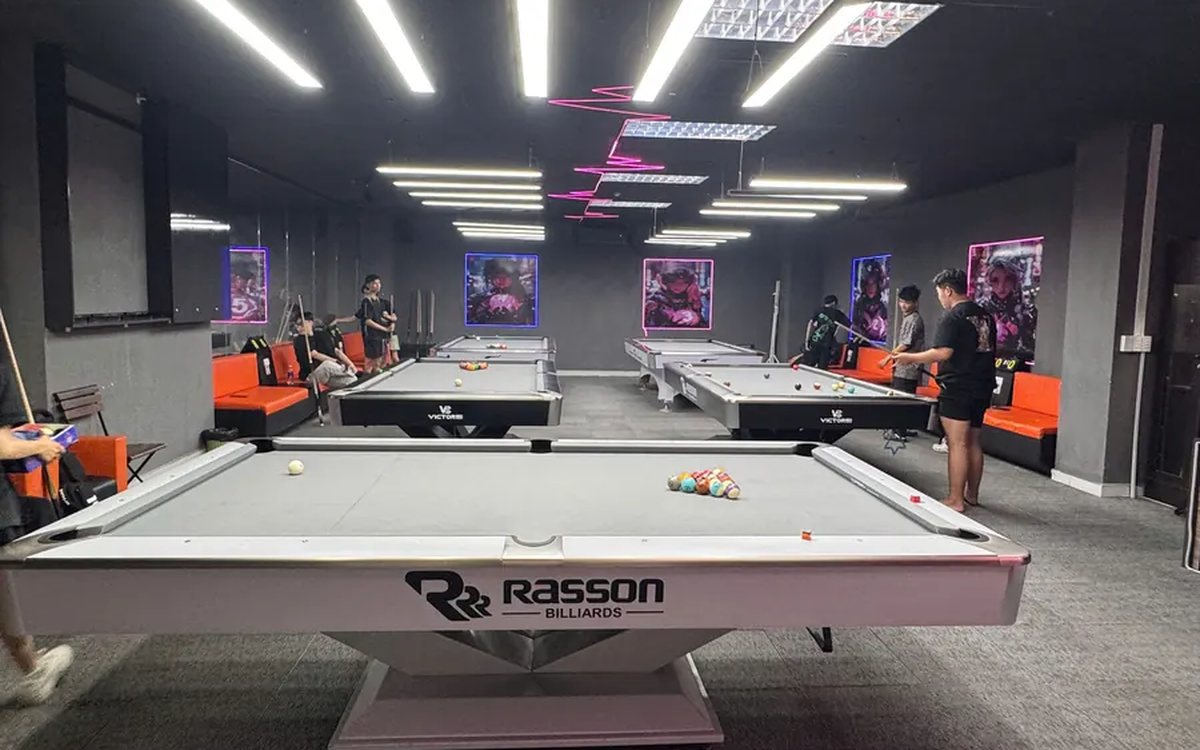
A clip of a great shot is something players want to keep, and the club gets mentioned every time it is passed on. This guide shows billiards club owners how to make sending highlights to customers over Zalo a counter habit: where clips come from, five steps to pick, preview, download and send, when to let customers scan a QR code to get clips themselves, and how to post on the club's fanpage while keeping customers comfortable.
Sales software for household businesses that fits the new rules
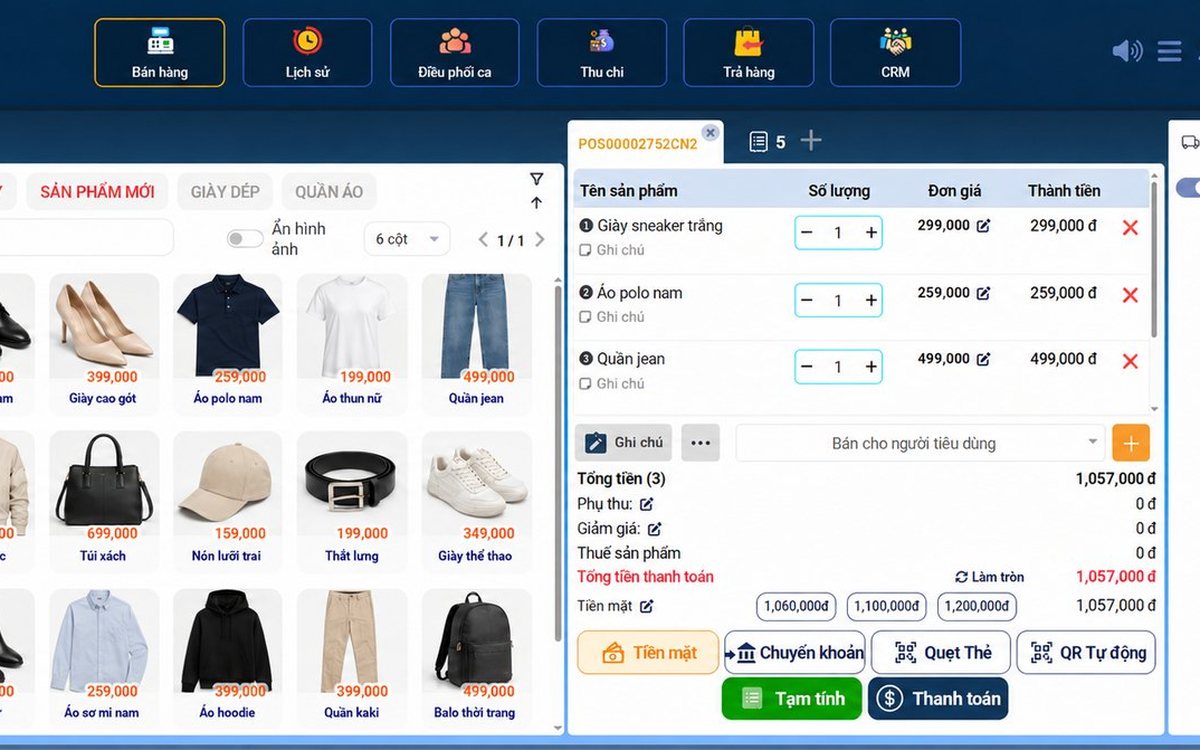
From 2026 household businesses no longer pay presumptive tax and declare based on actual revenue; stores with revenue of 1 billion VND/year or more selling directly to consumers must use e-invoices generated from cash registers. This guide summarises the regulatory milestones that affect retail stores and what sales software must do: record every order, issue e-invoices, report by period, keep purchase records and track debts.
Scan a QR code to order at the table: guests order for themselves, the restaurant needs fewer staff
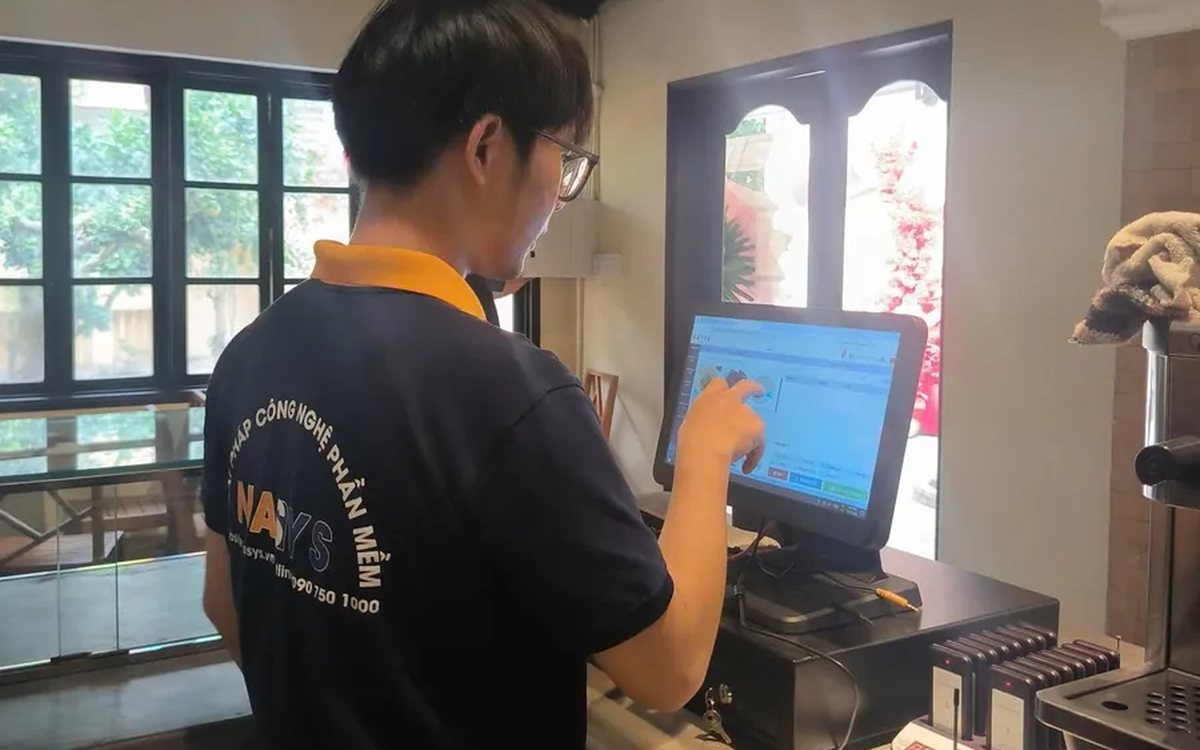
When guests scan a QR code to order at the table, handing out menus, taking orders, running tickets to the kitchen and answering "where is our food?" move to the guest. This guide separates what guests do themselves, what staff still have to do, how to rearrange shifts by table zone, and where things slip when the restaurant runs with fewer people.
Ordering software for wedding banquet restaurants: serving many tables at once without the bill going wrong
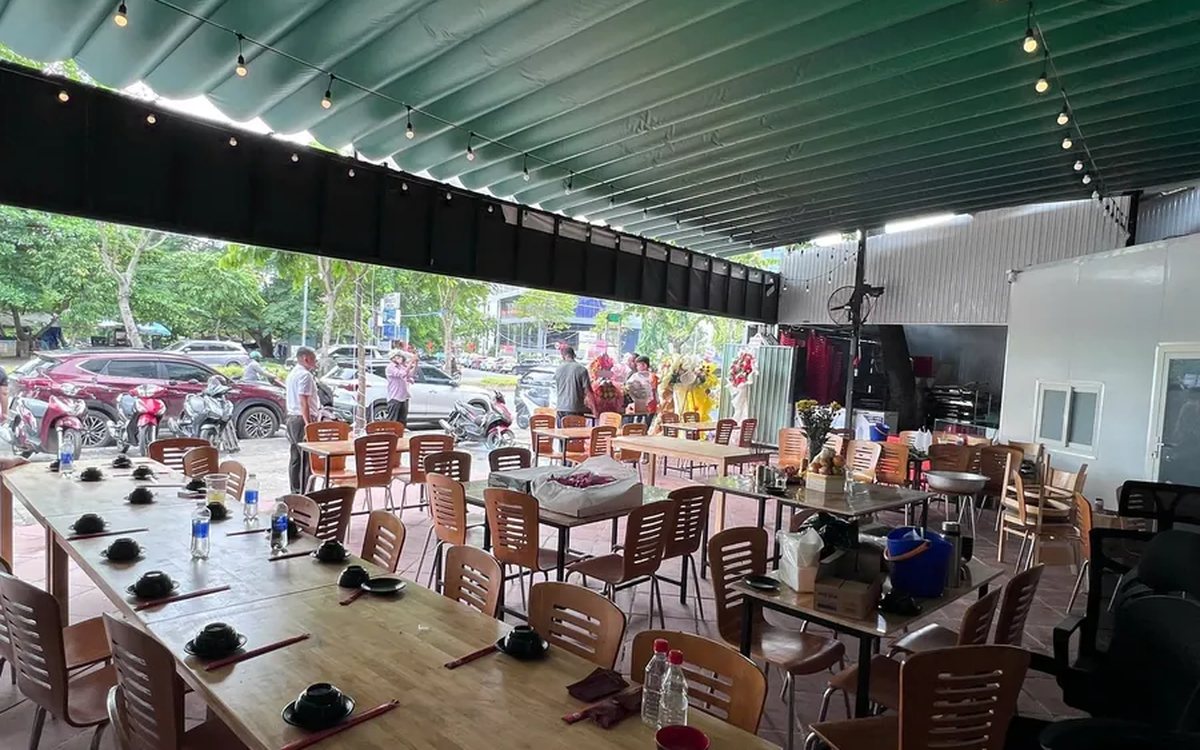
A thirty-table wedding banquet usually goes wrong on the extras: drinks added mid-party, tables set up at the last minute, dishes sent to the kitchen twice, deposits remembered by word of mouth. This guide puts the whole banquet into one order from a multi-table booking or by merging tables, takes extra orders by phone, sends only new items to the kitchen, and settles with the host using a provisional bill, surcharges and automatic deposit deduction.
Complete coffee shop management software: how ordering, checkout, inventory and reports connect
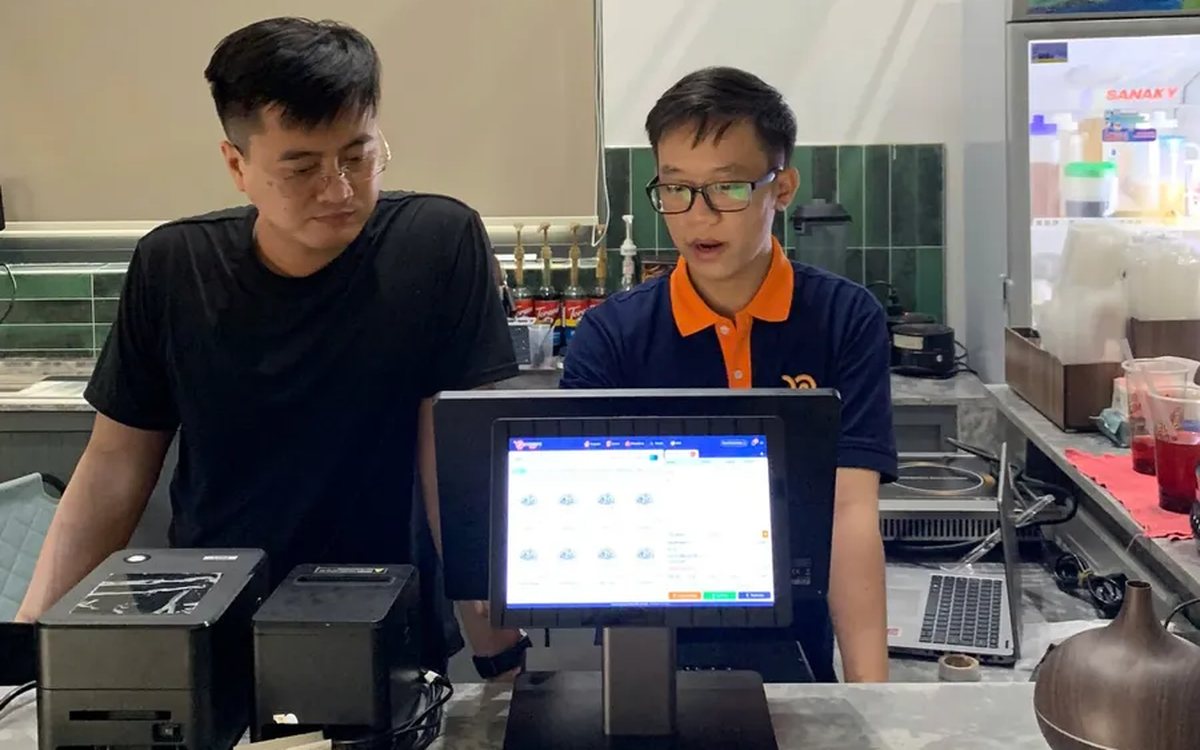
Complete coffee shop management software is not a long feature list but ordering, checkout, inventory and reports working together: ring up one cup and the money goes into the right shift, ingredients are deducted by recipe and the end-of-day report updates itself. The article follows one cup through four stages, shows four common break points and the order to switch things on.
Billiards management software for a small new club: what to set up before opening day
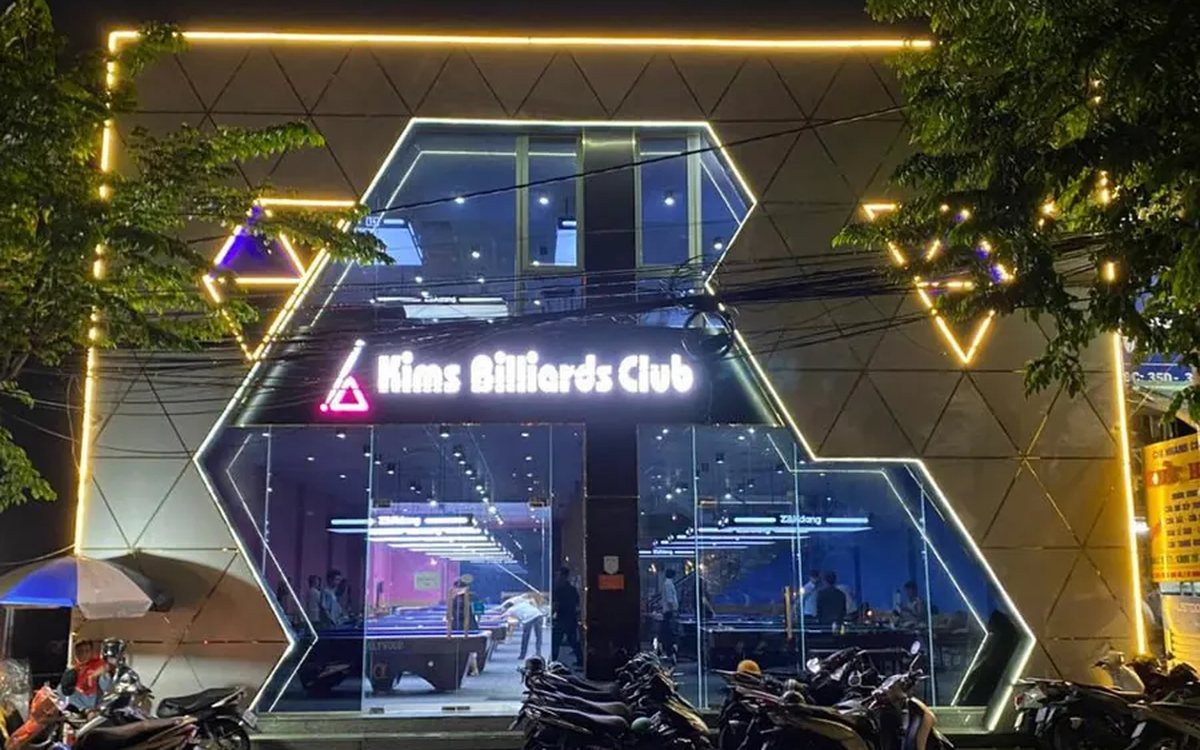
For a new billiards club with five to ten tables, where the owner works the counter and starts the clocks, the software needs to do a few things right: set up tables, hourly rates, the menu and QR codes before opening; let players order drinks themselves and have table lights follow playing time; use camera highlights to get the club known; and after the first month read reports by table, debts and shift close.
Retail order management software: counter sales and online orders in one place
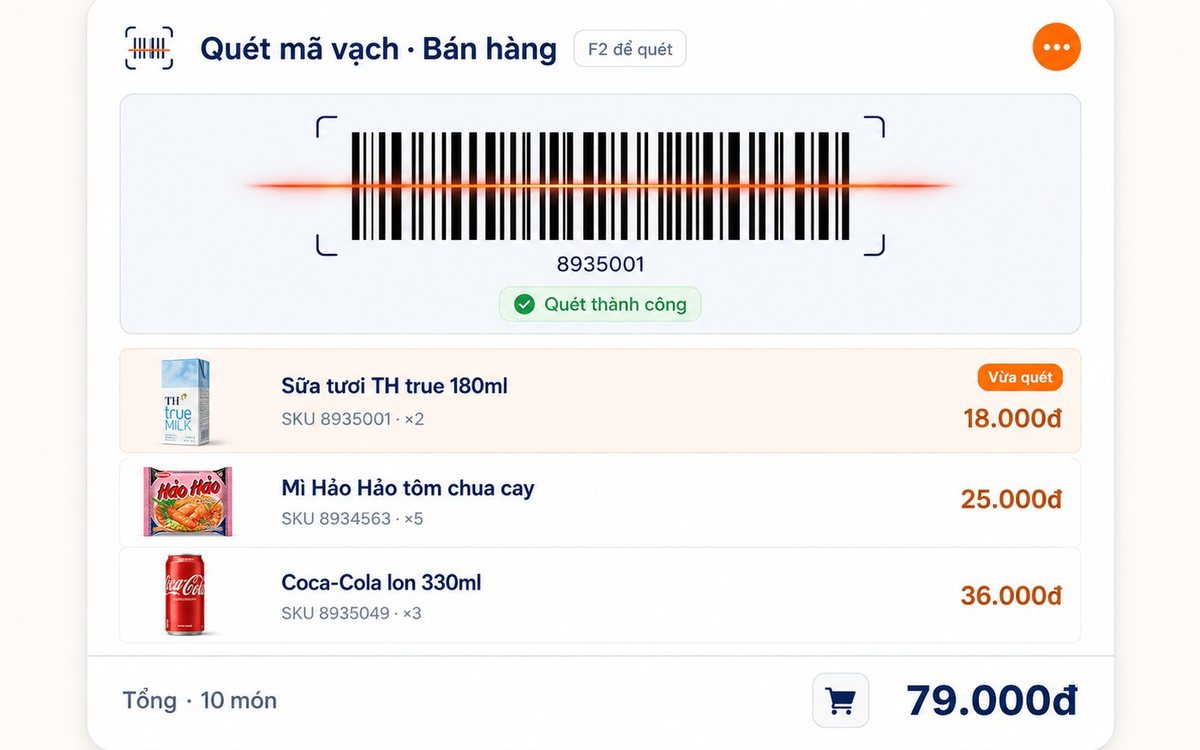
Counter orders, phone and Zalo orders, and orders from the store's web shop all go into one order book in Ordersys. Each online order moves through five clear statuses, delivery requires the address, delivery time and delivery person, customers track their own order, and there is no adding up two places at the end of the day.
