



Shop owners asking about the price of sales management software often compare two numbers from two websites right away. But those two quotes rarely charge for the same thing: one charges by number of products, another limits invoices per month, another adds a setup fee. This article helps shop owners do three things before asking for a price: know what the price is based on, know what a retail package must include, and estimate the money being lost while still using a notebook or Excel.
What sales management software pricing is based on
Ordersys retail software is priced by store and number of points of sale, with no setup fee and no limit on products or invoices. The quote is based on the store's real model and operations, so have the following information ready:
| Factor | Why it affects the price | What to prepare |
|---|---|---|
| Number of stores and points of sale | Each point of sale has its own checkout, shifts and reports | Stores currently running, number of checkout counters at each |
| Product category | Fashion shops manage by size and color; grocery and cosmetics manage by batch and expiry date | What you sell, whether goods are tracked by batch or by attribute |
| Equipment | The software price does not include hardware | Computer, barcode scanner, receipt printer, electronic scale you already have |
| Term | Paying several years in advance locks in the price | Whether you plan to pay monthly or in advance |
There is no limit on products or invoices, so a store with many SKUs or many customers does not have to worry about going over a quota. On-site installation and training are included at no extra cost, with a lifetime warranty; if the store is using other software, send the exported file and Ordersys will import the data for you.
What a retail software package should include
A cheap package missing any of the parts below means the store still has to write things by hand to fill the gap:
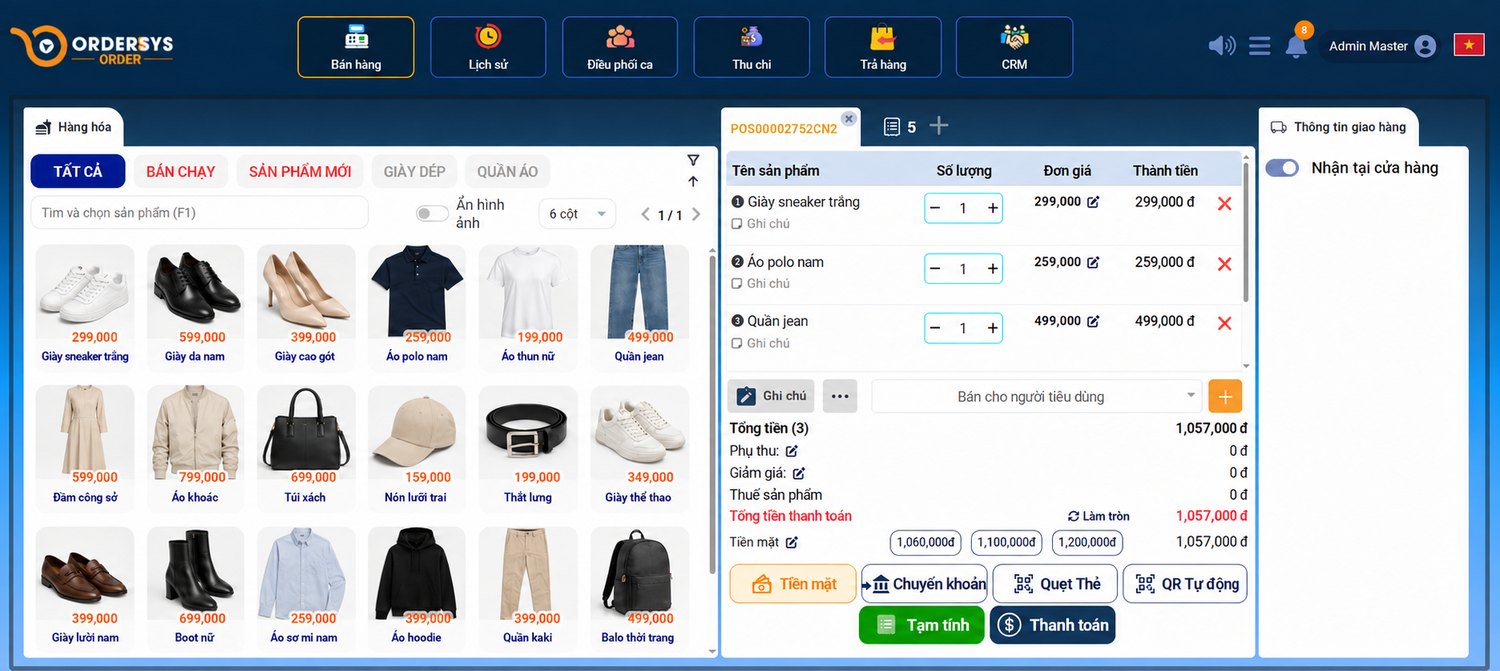
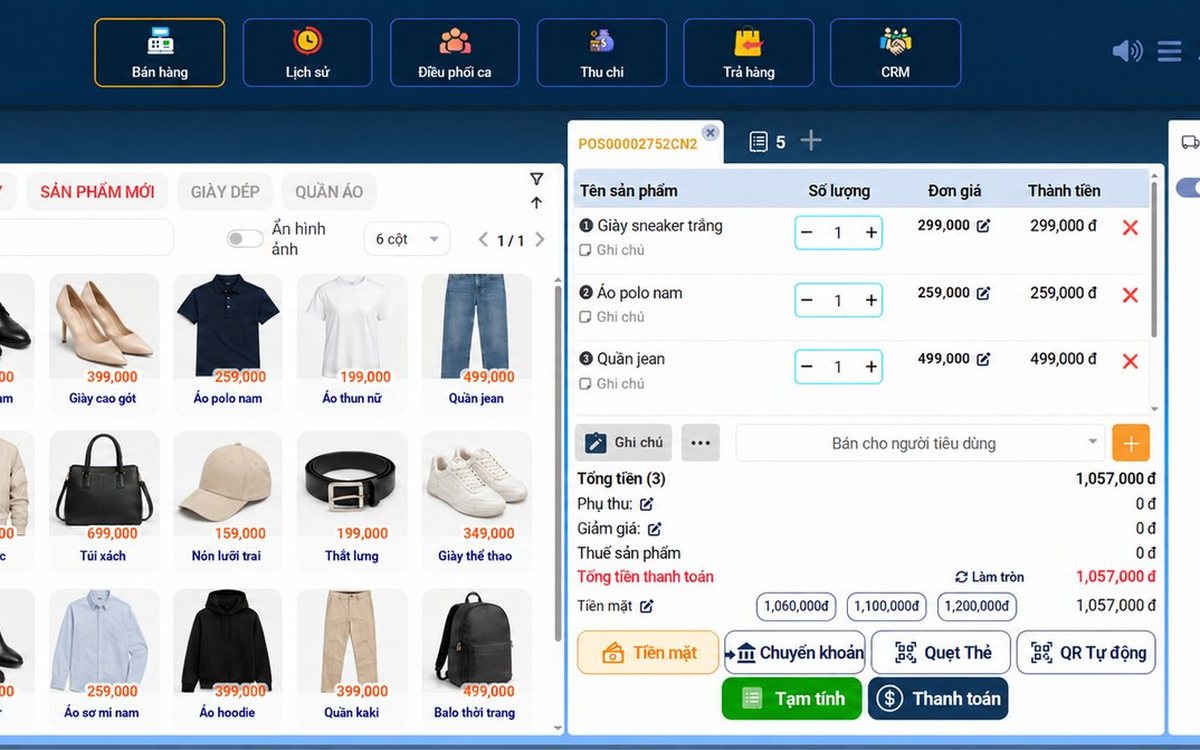
- Fast selling at the counter: scan a barcode and the price appears immediately, search products by name, take cash, card, VietQR and e-wallet payments; print receipts.
- Inventory that fits the category: stock by size, color and SKU; batch and expiry tracking; alerts for items running out and minimum stock levels.
- Receiving and stocktaking with a scanner: scan to add to stock, stocktaking automatically compares with the system count and shows the differences; print barcode labels for goods without a code.
- Suppliers: purchase receipts linked to the supplier, recording the amount paid and the amount still owed for each batch.
- Shift closing and reports: revenue by payment method checked against the cash in the drawer, gross profit per item, best sellers and slow movers.
- Customers and multiple branches: save phone numbers for loyalty points; inventory synced across locations, stock transfers, permissions per store.
- E-invoices issued right on the sales screen, linked to the order just paid.
Hidden costs of managing a store with a notebook and Excel
Not paying a software fee does not mean the store pays nothing; that cost just is not in the expense book:
| Item | What usually happens | How to estimate it |
|---|---|---|
| Stock discrepancies | Sold but not recorded, returns not logged, damaged goods thrown away while still in the book | Value of the discrepancy after the last stocktake |
| Expired goods thrown away | Old batches sit behind new ones and the expiry is only found at stocktake | Value of goods thrown away over three months |
| Lost sales from missing sizes | A customer asks for size M, this store is out while another branch still has it | Times you answer "out of stock" in a week |
| Hours spent on bookkeeping | Adding up the book at the end of the day, counting stock by hand and checking each code | Hours per week multiplied by the hourly wage |
| Cash drawer not matching | Cash is short at the end of the shift but there is no way to trace which order or who sold it | Total cash difference over a month |
Why the book and the actual count often differ, and how to do a stocktake quickly, is covered in retail stocktaking: 5 steps. If you run a small store and are not sure what you need, read retail software for small stores: what you need and what you do not.
Is it worth it: check for yourself in 7 days
Use the 7-day free trial with the store's own goods: import the product list, let counter staff sell with the scanner, receive a new batch, close the shift every evening and do a test count of one shelf. At the end of the week, compare stock discrepancies, bookkeeping hours and cash differences with the way you work now. If the bookkeeping hours and stock discrepancies alone are worth more than one month of the software fee, the answer is clear.
Get a quote that fits your store
Ordersys retail and store management software is priced by store and number of points of sale, with no setup fee, no limit on products or invoices, and on-site installation and training. See the plans on the pricing page, sign up for the 7-day free trial, or message on Zalo or call 090 750 1000 to get a quote that fits your store and the equipment you already have.
Sell by barcode, track stock across units, manage debts and see profit every day.
Other news
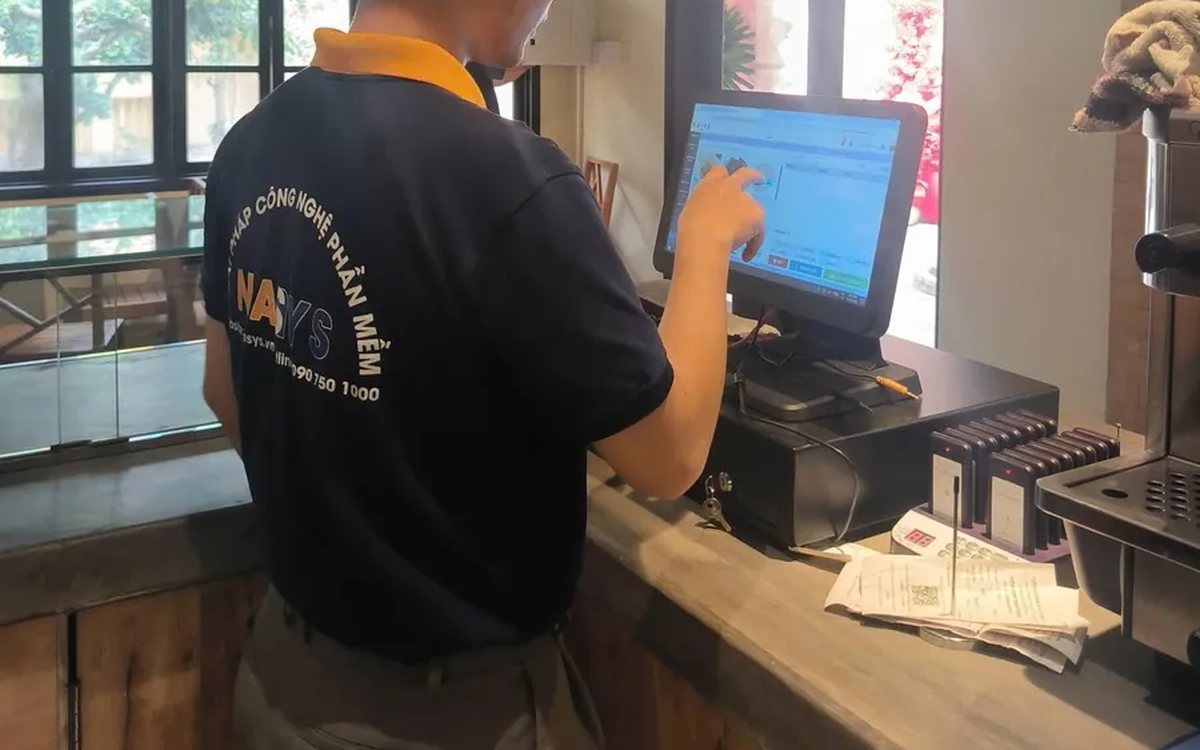
Choosing HR management software for a small business: seen from the four people who will use it every day
Small businesses have no HR department: the owner, the store manager and the accountant share the work, plus the employees themselves. This article suggests choosing HR software by each user's daily tasks instead of comparing feature lists, and how to split the demo by role to find out which parts will actually be used.
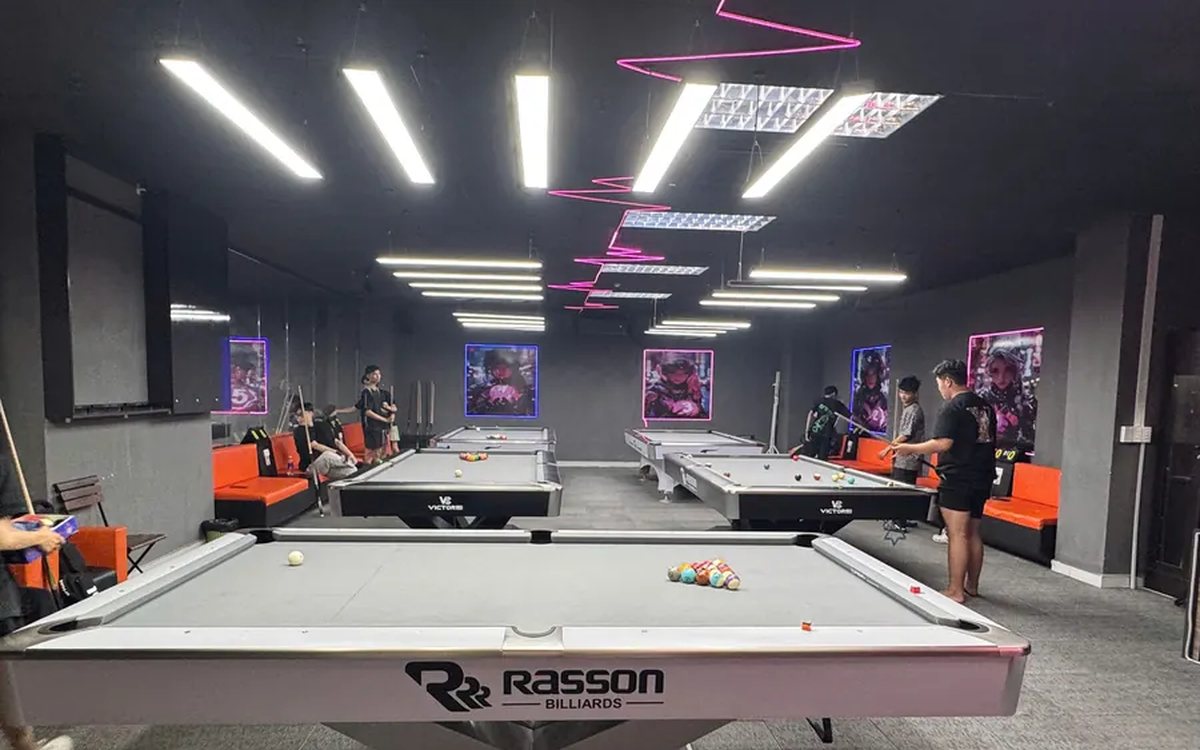
All-in-one billiards club management software: timing, scoring, cameras and livestreaming in one place
Timing in one app, lights switched by hand, cameras on a separate recorder, scores on a flip board, livestreams from a phone, debts in a notebook: each works, but at the end of the day nothing matches. This article compares stitching separate tools together with one all-in-one billiards management software, what it brings together, where the gain is and what to test in the 7-day trial.
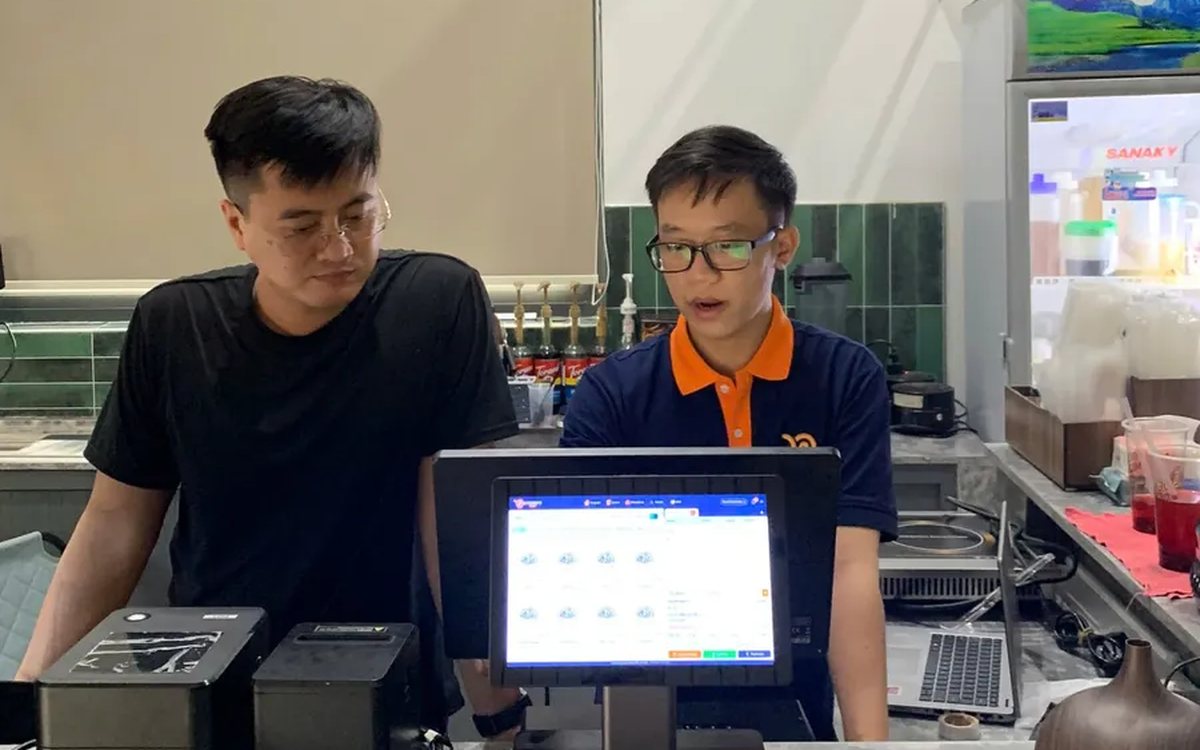
Choosing customer care software for shops and restaurants: four tools often mistaken for a CRM and six things to test in the demo
Personal Zalo contacts, Excel files, bulk messaging software and paper loyalty cards each cover only one piece of customer care. This article helps you choose the right customer care software: six things to make the vendor do in the demo, priorities for restaurants, retail, spas and chains, and three common mistakes.

Café management software in Ho Chi Minh City: keeping up with the morning takeaway rush, multiple shops and how rollout works
Coffee and milk tea shops in Ho Chi Minh City need software that enters size, sugar, ice and toppings fast, prints a label for each cup, shows a transfer QR code on the customer display, keeps dine-in, takeaway and pre-orders together, costs each cup and lets owners watch several shops remotely; four rollout steps from the Ordersys office in Binh Thanh and three things to test in the 7-day trial.
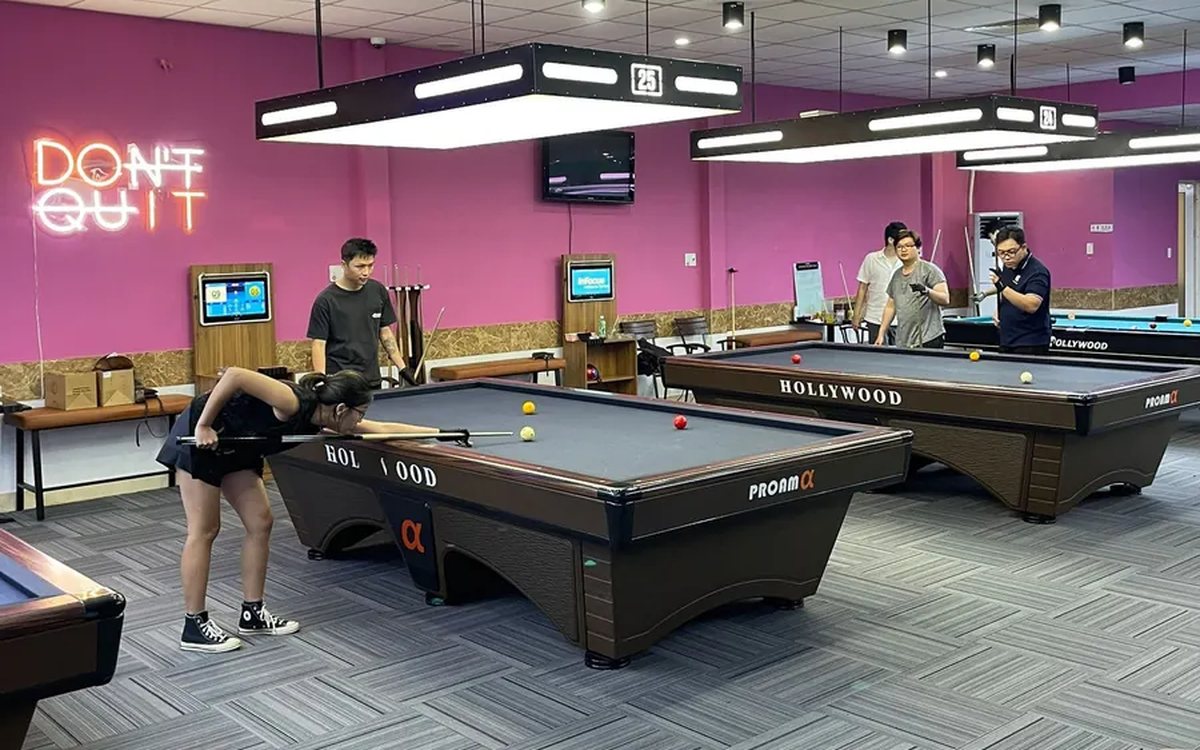
Billiards scoring software: record every inning, score by the rules, save match history
Scoring billiards in the hall app: four modes for 2 players, groups of 3–5 and 3–6 player elimination; set handicap, target score, innings and shot clock before the break; record each inning, return points, +1 to opponent; save matches and see each player's AVG, HIGH and win rate.
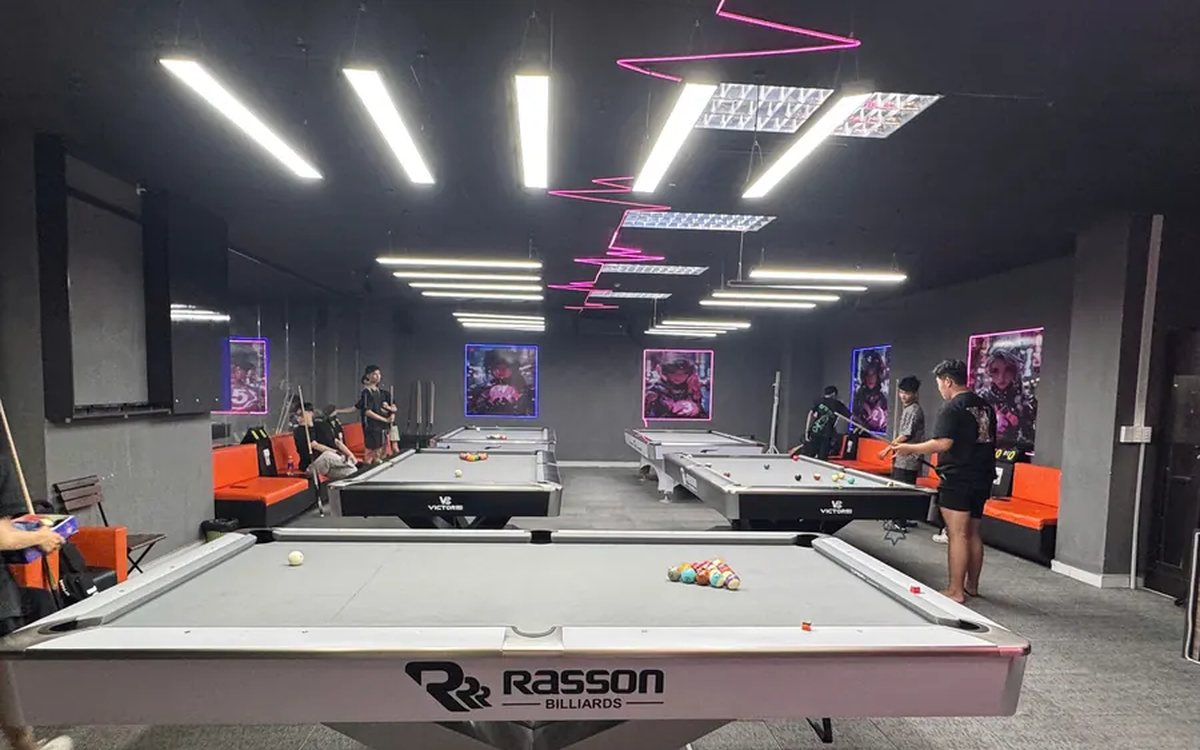
당구대 라이브 방송 + 점수판 자동 표시 (페이스북·유튜브)
Sales management software in Da Nang: what seasonal tourist-town shops need, and how setup and support work
Shops in Da Nang serve crowds of tourists and live on regular customers: the software needs fast barcode checkout, VietQR and card payments, batch and expiry tracking for specialty foods, stock by size and color, and multiple outlets; reading reports for seasonal buying, four rollout steps and three things to test in the 7-day trial.

Switching hair salon software: keeping appointments, color formulas and stylist commission so no client slips through
Switch hair salon software without closing for a day: what moves by file and what must be rebuilt (service durations, chairs, commission rates), re-booking appointments by chair and stylist, carrying over regular clients' color formulas, and closing off commission and prepaid packages on the cut-over day.
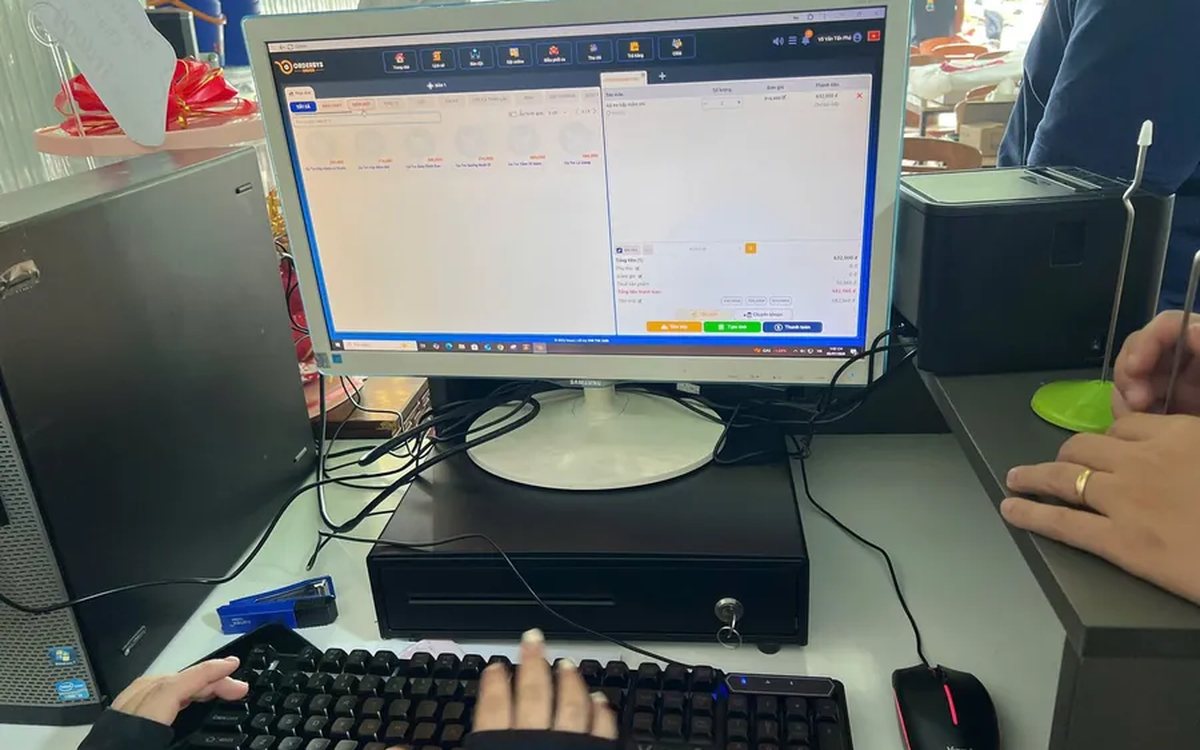
Restaurant management software in Ho Chi Minh City: handling peak hours, multiple branches and how rollout works
What restaurants in Ho Chi Minh City need software to do during the office lunch rush and weekend evenings: QR self-ordering at the table, tickets split to the right kitchen station, splitting and merging tables, matching bank transfers, watching several branches remotely; four rollout steps from the Ordersys office in Binh Thanh and three things to test in the 7-day trial.
