



If a club has only one table type and one price all day, any timer app will bill correctly. The trouble starts when the club has pool tables, three-cushion tables and carom tables, evening rates higher than afternoon rates, and weekends priced differently from weekdays. At that point the hourly rate is no longer a single number but a table, and billing mistakes usually sit where the cells of that table meet. This article is not a step-by-step setup guide. It collects six billing cases worth test-running when choosing billiards billing software that charges by the hour, along with what the correct result should look like.
A club with several table types has a price table, not a single price
Try writing the club's price list on paper: rows are table types, columns are time slots, then split weekdays and weekends. Three table types, three time slots and two kinds of day already make eighteen price cells. Evening staff cannot remember that many numbers, so three things tend to happen: one price is charged for everything to save time, the rate is not changed when peak hours begin, or each person bills a different way.
Billing software only helps if it holds the whole table and picks the right cell by itself when a table is opened, when a session crosses a time boundary and when the table is closed. The quickest way to check is to test-run the hard cases, rather than just seeing whether tables open and close.
Six cases to test-run
During the trial, enter the club's real price list and run the cases below one by one. Each case has a clear result to compare against, with no guesswork.
| Test case | How to run it | Correct result |
|---|---|---|
| 1. Two table types at the same time | Open a pool table and a carom table at the same moment | Each table takes the rate of its table type automatically; staff do not pick it by hand |
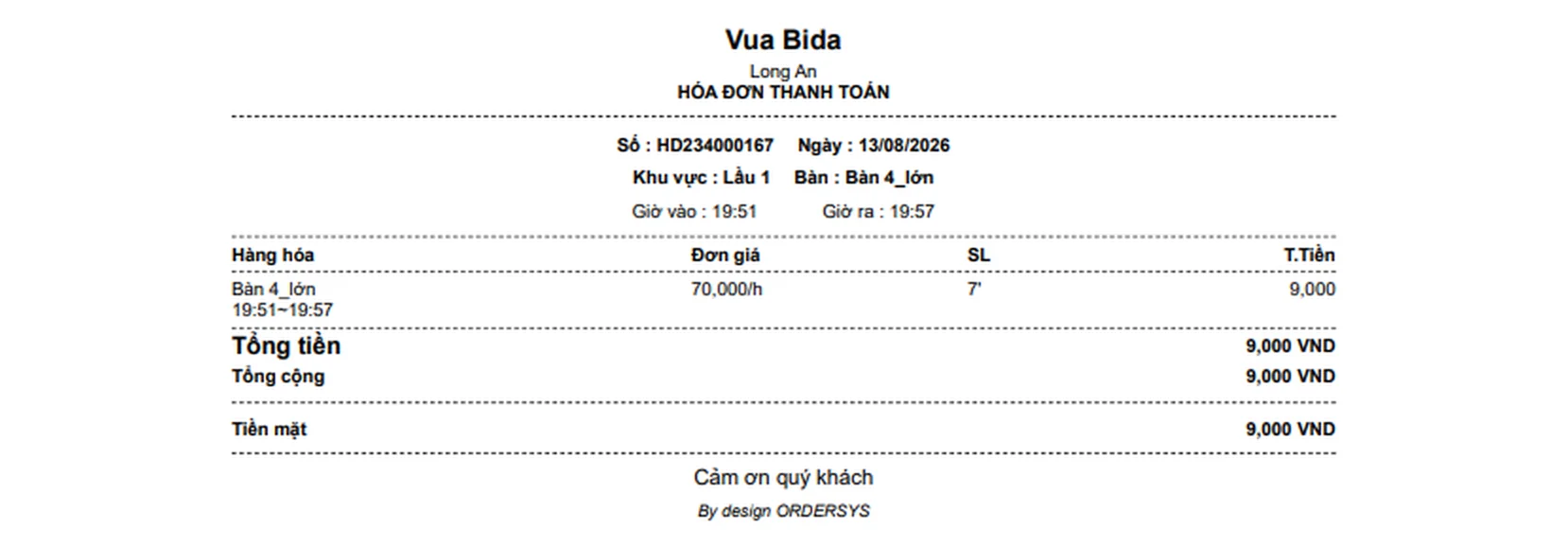
| 2. Play crossing a price change | Open a table before peak hours and close it after the boundary | The receipt splits into time lines, each showing from what time to what time and the rate for that segment |
| 3. Weekends priced differently from weekdays | Enter a surcharge for Saturday evening and compare with the same slot on a weekday | The rate changes correctly by day of the week, and only for the table type that was configured |
| 4. A customer sits a few minutes and leaves | Open a table and close it after five minutes | If the club sets a minimum charge per table opening, the receipt charges that full minimum |
| 5. Odd minutes | Turn on 15-minute block billing and close the table at 1 hour 2 minutes | Play time is charged as 1 hour 15 minutes; the amount is rounded to the multiple the club chose |
| 6. Moving to a different table type mid-session | Move the customer from a pool table to a carom table | The earlier segment is charged at the old table's rate, the later segment at the new table's rate, and items already ordered move to the new table |
Cases 2 and 6 are where paper notebooks go wrong most often, because the person billing has to split the time and multiply by two different rates. If the printed receipt shows only one line of total time with one rate, the customer cannot check it and staff struggle to explain it. Table transfers have their own article: moving a billiards table while keeping the time played and the items ordered.
Three more questions to ask the software vendor
- Are time-slot prices attached to each table type or applied to the whole club? If applied club-wide, you cannot do things like "carom tables cost more on Friday nights while pool tables keep their price to draw afternoon customers".
- Are play-time offers deducted automatically at checkout? Discounts for playing a set number of hours, discounts by day of the week, play-time combos: if staff have to remember and deduct them by hand, the counter will get it wrong no matter how good the price list is.
- Can reports split revenue by table and by hour? Multiple price slots exist to bring customers in during quiet hours. Without seeing which slots grow and which stay flat, you cannot tell which rates to keep or drop.
How Ordersys handles this
In the Ordersys billiards management software, table type is a separate category with its own rate; on top of it the club enters a surcharge table by hour of the day and day of the week for each table type. A session that crosses a price change is cut by the hour, each segment gets the correct rate, and adjacent segments with the same rate are merged. Minute blocks, the rounding multiple for play time (500 VND by default), the minimum charge per table opening, discounts by hours played, discounts by day of the week and play-time combos are all set up once, and the software calculates them at checkout. When a table is moved mid-session, the time line on the old table is closed and the new table starts a time line at its own rate. Revenue reports can be viewed by day, by hour, by day of the week and by individual table.
The quickest way to find out whether the software fits your price list is to sign up for the 7-day free trial, enter your real prices and run the six cases above in one evening. To get the arithmetic first, read how to calculate billiards play-time charges and 4 common mistakes; how to set up each table type and time slot is covered in timing several billiards table types: pool, three-cushion and carom at different prices. For advice, message us on Zalo or call 090 750 1000.
Ordersys times every table automatically, switches table lights, takes drink orders at the table and reports revenue per shift.
Other news
Choosing HR management software for a small business: seen from the four people who will use it every day
Small businesses have no HR department: the owner, the store manager and the accountant share the work, plus the employees themselves. This article suggests choosing HR software by each user's daily tasks instead of comparing feature lists, and how to split the demo by role to find out which parts will actually be used.
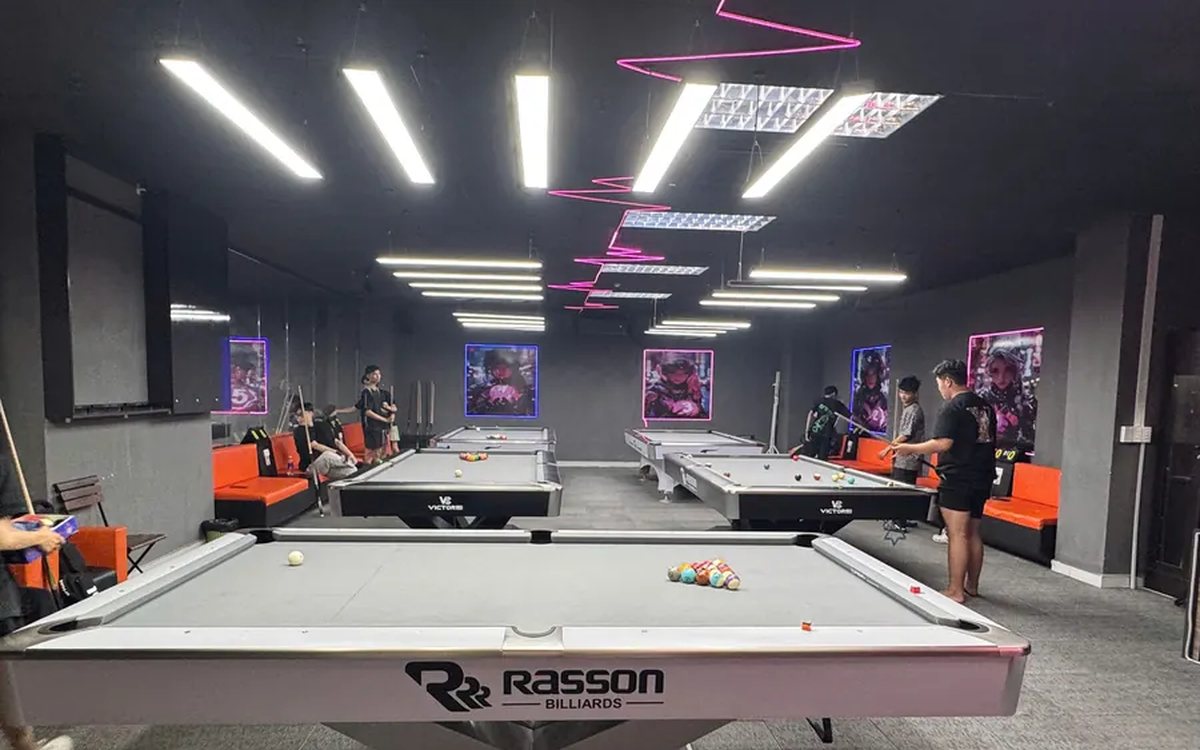
All-in-one billiards club management software: timing, scoring, cameras and livestreaming in one place
Timing in one app, lights switched by hand, cameras on a separate recorder, scores on a flip board, livestreams from a phone, debts in a notebook: each works, but at the end of the day nothing matches. This article compares stitching separate tools together with one all-in-one billiards management software, what it brings together, where the gain is and what to test in the 7-day trial.
Choosing customer care software for shops and restaurants: four tools often mistaken for a CRM and six things to test in the demo
Personal Zalo contacts, Excel files, bulk messaging software and paper loyalty cards each cover only one piece of customer care. This article helps you choose the right customer care software: six things to make the vendor do in the demo, priorities for restaurants, retail, spas and chains, and three common mistakes.

Café management software in Ho Chi Minh City: keeping up with the morning takeaway rush, multiple shops and how rollout works
Coffee and milk tea shops in Ho Chi Minh City need software that enters size, sugar, ice and toppings fast, prints a label for each cup, shows a transfer QR code on the customer display, keeps dine-in, takeaway and pre-orders together, costs each cup and lets owners watch several shops remotely; four rollout steps from the Ordersys office in Binh Thanh and three things to test in the 7-day trial.
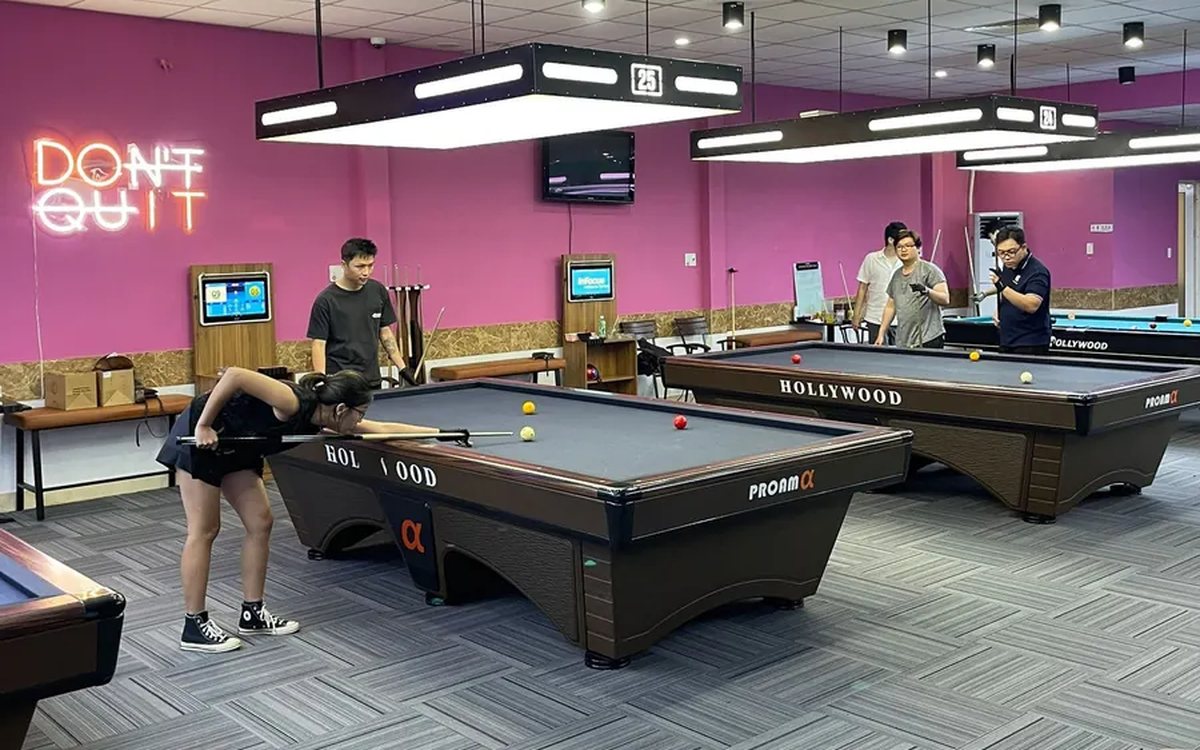
Billiards scoring software: record every inning, score by the rules, save match history
Scoring billiards in the hall app: four modes for 2 players, groups of 3–5 and 3–6 player elimination; set handicap, target score, innings and shot clock before the break; record each inning, return points, +1 to opponent; save matches and see each player's AVG, HIGH and win rate.
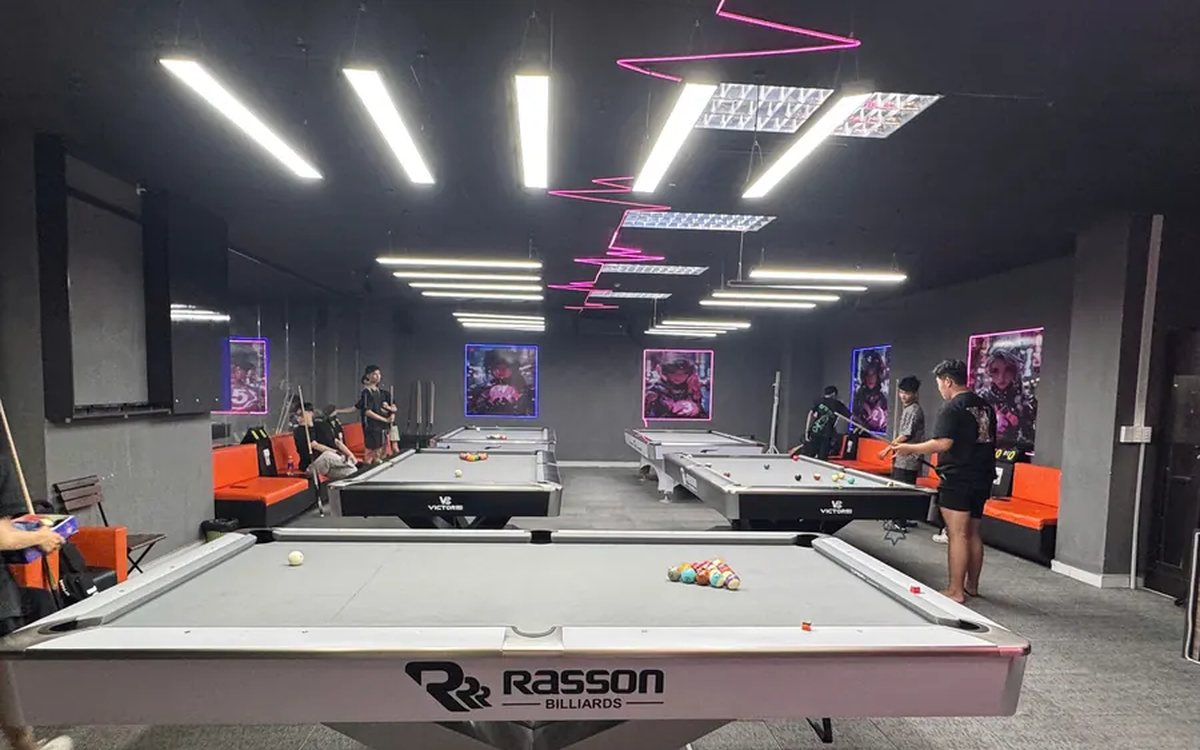
당구대 라이브 방송 + 점수판 자동 표시 (페이스북·유튜브)
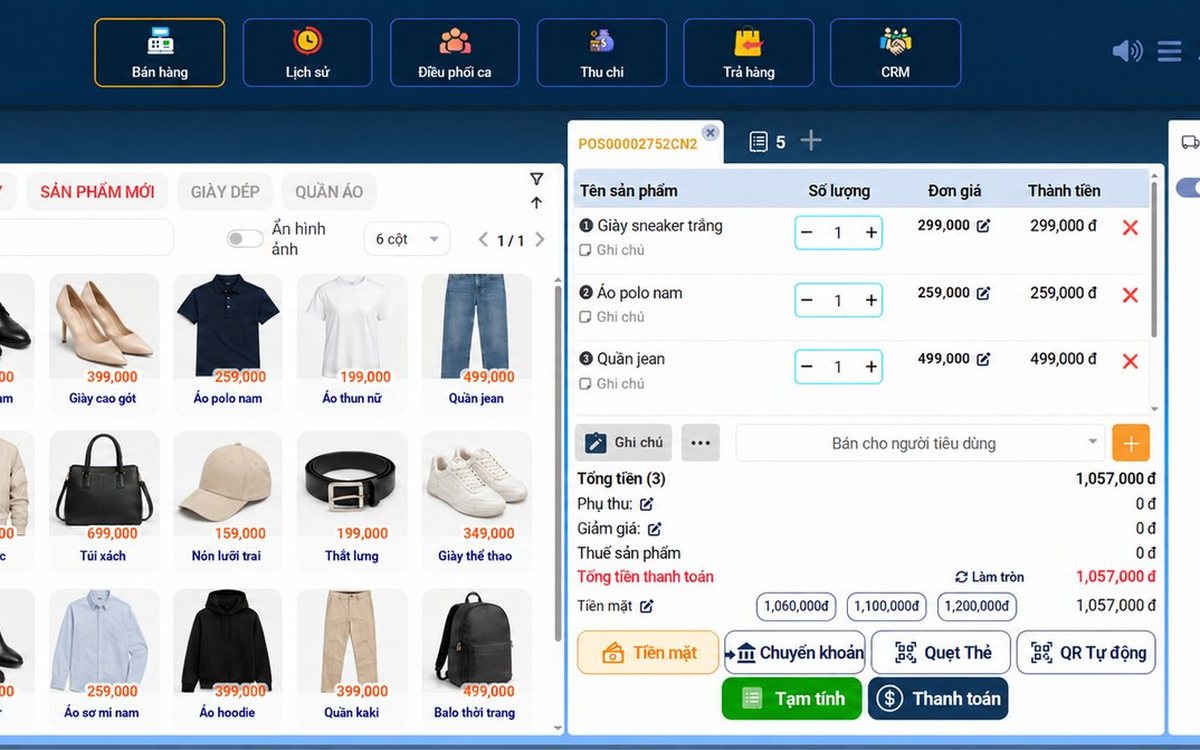
Sales management software in Da Nang: what seasonal tourist-town shops need, and how setup and support work
Shops in Da Nang serve crowds of tourists and live on regular customers: the software needs fast barcode checkout, VietQR and card payments, batch and expiry tracking for specialty foods, stock by size and color, and multiple outlets; reading reports for seasonal buying, four rollout steps and three things to test in the 7-day trial.

Switching hair salon software: keeping appointments, color formulas and stylist commission so no client slips through
Switch hair salon software without closing for a day: what moves by file and what must be rebuilt (service durations, chairs, commission rates), re-booking appointments by chair and stylist, carrying over regular clients' color formulas, and closing off commission and prepaid packages on the cut-over day.
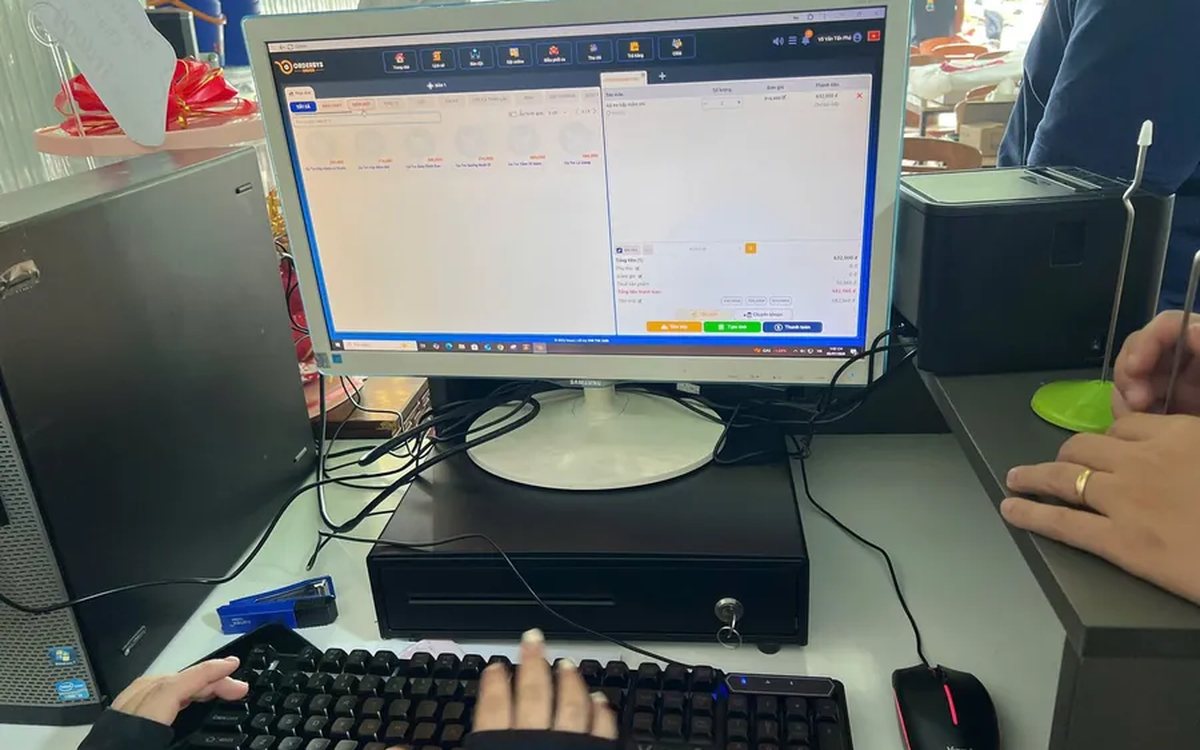
Restaurant management software in Ho Chi Minh City: handling peak hours, multiple branches and how rollout works
What restaurants in Ho Chi Minh City need software to do during the office lunch rush and weekend evenings: QR self-ordering at the table, tickets split to the right kitchen station, splitting and merging tables, matching bank transfers, watching several branches remotely; four rollout steps from the Ordersys office in Binh Thanh and three things to test in the 7-day trial.
