



Shop bán cả trên website riêng lẫn trên sàn thường gặp câu hỏi này ngay tuần đầu: để giá bằng nhau cho dễ, hay để khác? Câu trả lời không giống nhau giữa các shop, nhưng cách tính thì giống nhau — và phần lớn shop bỏ sót một khoản.
Bán trên sàn không phải là giá bán trừ giá vốn
Cùng một chiếc áo giá 300.000đ, bán ở ba nơi thì shop nhận về ba số khác nhau:
| Kênh | Khoản bị trừ | Shop thực nhận |
|---|---|---|
| Tại quầy | Không có phí kênh | Gần như đủ 300.000đ |
| Website riêng | Phí cổng thanh toán, phí vận chuyển nếu shop chịu | Thấp hơn một chút |
| Sàn TMĐT | Phí sàn, phí thanh toán, phí dịch vụ, tiền tham gia chương trình giảm giá của sàn | Thấp hơn đáng kể |
Ba cách đặt giá, mỗi cách một hệ quả
Cách 1 — Để giá bằng nhau ở mọi kênh
Dễ quản lý, khách không thấy shop "hai giá". Nhưng lãi trên sàn mỏng hơn hẳn, và nếu giá quầy vốn đã sát vốn thì bán trên sàn có thể lỗ mà không biết.
Hợp với: shop có biên lãi rộng, hoặc coi sàn là chỗ kiếm khách mới chứ không phải kiếm lãi.
Cách 2 — Giá sàn cao hơn, đúng bằng phần phí
Giữ nguyên số tiền thực nhận ở mọi kênh. Đây là cách nhiều shop chọn.
Rủi ro: khách so giá. Người mua trên sàn rất hay tìm thêm shop trên Facebook, thấy rẻ hơn thì thấy mình bị hớ. Chênh lệch nhỏ thì không sao; chênh 20–30% thì mất lòng tin.
Cách 3 — Giá bằng nhau, nhưng ưu đãi chỉ có ở web
Giá niêm yết như nhau, còn mã giảm giá, tặng kèm, tích điểm thì chỉ áp dụng trên website của shop. Khách không thấy hai giá, mà vẫn có lý do để mua thẳng.
Vì sao phải kéo khách về web dù sàn bán tốt hơn
- Số điện thoại và lịch sử mua thuộc về shop. Bán trên sàn thì lần sau muốn mời khách quay lại phải trả tiền cho sàn lần nữa.
- Không bị đổi luật chơi. Sàn đổi mức phí, đổi thuật toán hiển thị thì shop chịu. Website là chỗ shop tự quyết.
- Giá không bị ép. Sàn chạy đợt giảm sâu thì shop hoặc tham gia, hoặc tụt hiển thị.
Nhưng cũng đừng bỏ sàn: sàn là chỗ khách mới tìm thấy shop. Cách dùng hợp lý là sàn để lấy khách mới, web để giữ khách cũ.
Đặt giá xong rồi thì phải giữ cho khỏi lệch
Đây là phần vận hành, và là chỗ hỏng nhiều hơn cả phần tính toán. Shop đăng bán ba nơi, đổi giá ở một nơi rồi quên hai nơi kia. Khách mua theo giá cũ, shop vẫn phải giao.
Khai sản phẩm một lần rồi đồng bộ sang TikTok Shop và Lazada thì giá, mô tả và tồn kho đi cùng nhau. Sửa ở một chỗ, không phải nhớ sửa ở ba chỗ.
Ba con số nên xem hằng tháng
| Con số | Nói lên điều gì |
|---|---|
| Tiền thực nhận trên mỗi đơn, theo từng kênh | Kênh nào đang thật sự có lãi |
| Tỷ lệ đơn huỷ, đơn hoàn theo kênh | Kênh nào tốn công mà không ra tiền |
| Số khách mua lần thứ hai theo kênh | Kênh nào giữ được khách |
Ba con số này chỉ tính được khi đơn của cả ba kênh nằm chung một chỗ. Tách sổ thì không cộng nổi.
Xem website bán hàng cho cửa hàng bán lẻ và có nên làm website bán hàng riêng không.
Ordersys has editions for restaurants and for retail stores: checkout, stock, reports and e-invoices, with on-site setup and training.
Other news
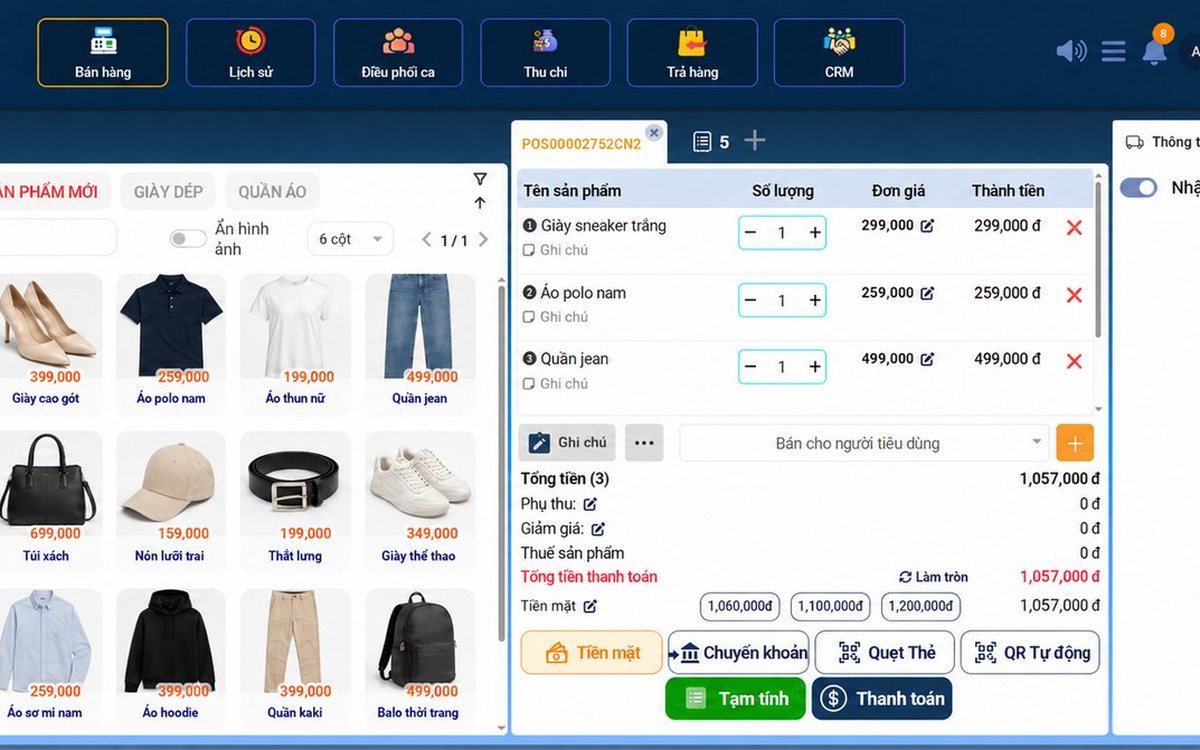
Recording supplier debt when receiving goods: know who you owe, how much and when it is due
Each delivery not paid in full becomes its own debt tied to the purchase receipt, with the delivery note number and due date. Pay in instalments one line at a time with documents, check due debts weekly, and reconcile at month end in minutes.

Selling multi-visit packages at a nail salon: what to include and how to deduct visits without disputes
A nail package should only cover the repeating base service; art, stones and extensions are charged separately each visit. State three things when selling, deduct visits on the ticket, and separate package sales from the value of visits performed.

Revenue reports by shift and by therapist at a massage shop: reading them to staff shifts right
Put the shift closing report, the sales report by room area and the commission report side by side to see which shifts are short-staffed, which are overstaffed, and which therapist should work which shift, then fix next week's schedule.

Splitting the bill when groups sharing a karaoke room want to pay separately
Two groups sing in the same room and each wants to pay its own part when leaving. Ask when the room is opened, record orders by group, split the bill on the system by choosing items and quantities, and agree up front on who pays for room time.
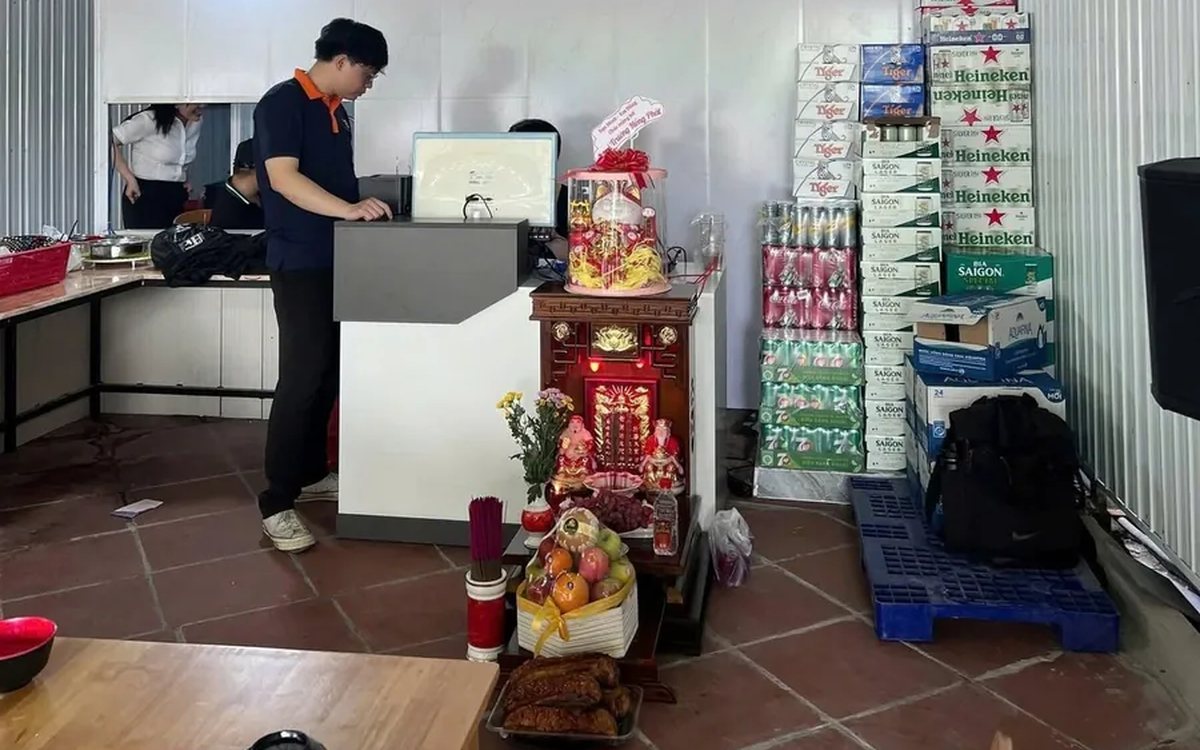
Collecting guest reviews after the meal and handling bad feedback the same day
Unhappy guests rarely speak up inside the restaurant; they quietly never come back. Ask right when the guest has just paid, let them rate in a few seconds, handle bad reviews the same day in four steps, and read weekly to spot repeated problems.
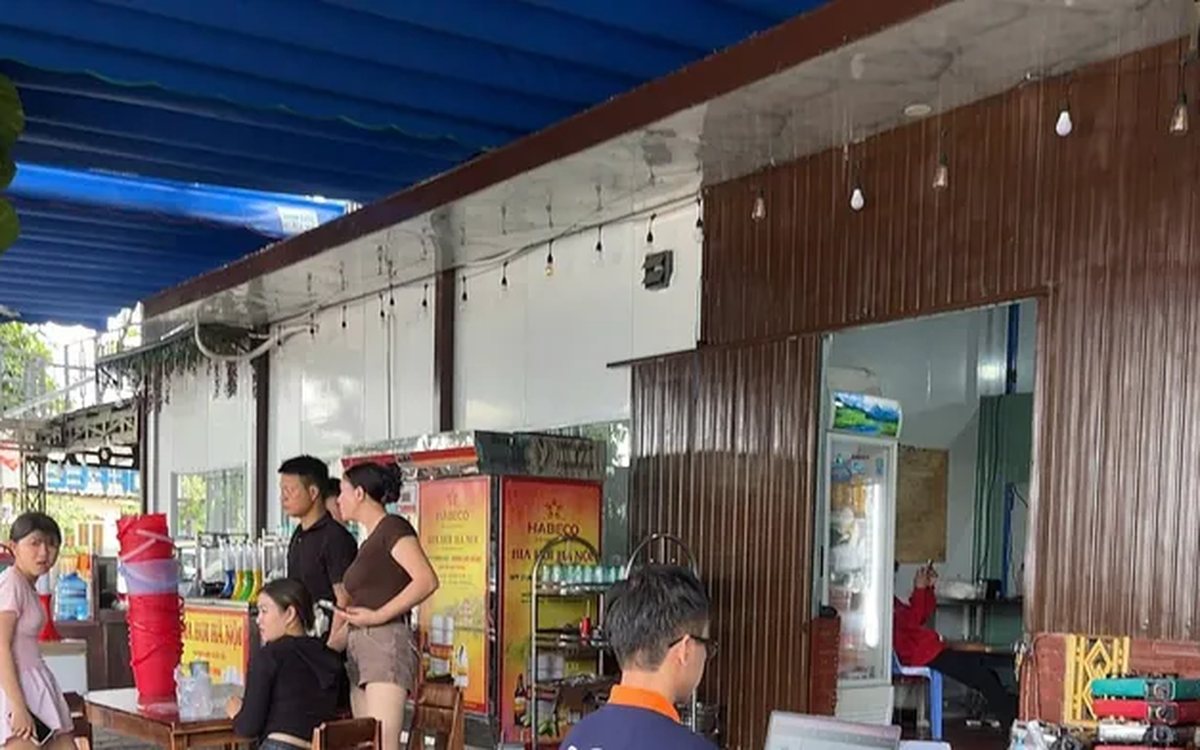
Best-selling dishes by time slot: prep the right amount and run out less at peak hours
A daily total report does not tell the kitchen how much to prep for lunch. How to split the day into time slots, pick the key dishes of each slot, convert portions into ingredients, batch by shift and read sold-out dishes correctly.
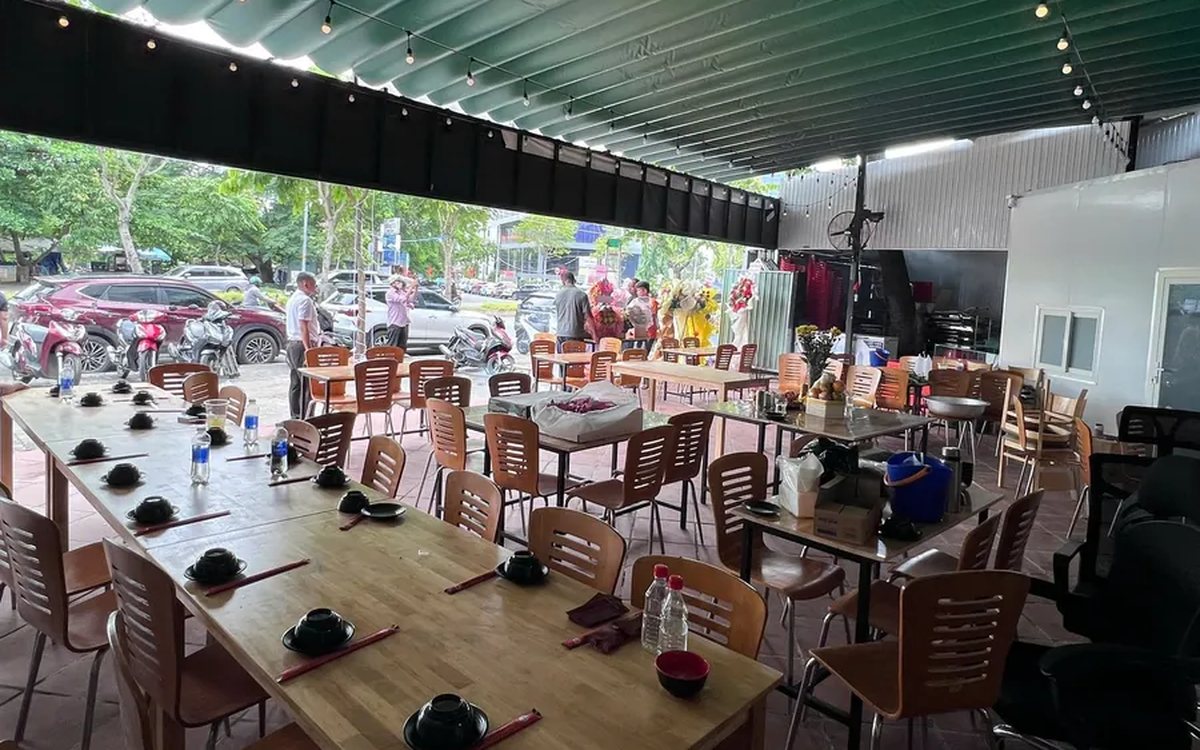
Selling set menus and meal combos in a restaurant: setting them up so the kitchen, stock and counter agree
Set up a set as an ordinary dish and the kitchen does not know what "Set B" contains, stock does not deduct ingredients, and swaps are edited by hand at the counter. How a set menu differs from a combo, how to set up dish groups, default dishes and extra charges, and what the kitchen, the bill and stock see when a combo is sold.
Unit of measure conversion: buy by the case, sell single items and keep stock accurate
When the stock book counts cases and the counter counts pieces, the two numbers cannot be compared at month end. Three ways of setting up items that throw stock off, how to set up unit conversion in the software, receiving by the case while stock counts in cans, and a few rules worth agreeing on in the stockroom.

Fingerprint time clock connected to software: hours go straight into payroll
A fingerprint device stops buddy punching, but it only records punch times. What the device does and what needs HR software, four steps from a finger on the scanner to a payslip, five things to do before buying a device, and how to handle a finger the device will not recognise.
