



Câu hỏi "phí sàn bao nhiêu phần trăm" không có câu trả lời một con số, vì mỗi đơn bị trừ ba đến bốn khoản khác nhau cộng lại. Nhiều người bán tính lãi theo giá bán trừ giá vốn, đến khi tiền về mới phát hiện hụt. Bảng dưới tính đúng số tiền thực nhận.
Một đơn hàng bị trừ những gì
| Khoản | Tính trên | Ghi chú |
|---|---|---|
| Phí hoa hồng | Giá trị đơn | Thay đổi theo ngành hàng — chênh nhau rất nhiều |
| Phí giao dịch / thanh toán | Số tiền khách thực trả | Tính cả tiền ship khách trả |
| Phí xử lý đơn | Mỗi đơn giao thành công | Số cố định, đơn nhỏ chịu tỉ lệ nặng nhất |
| Phí gói vận chuyển | Giá trị đơn | Chỉ khi tham gia chương trình freeship |
| Thuế khấu trừ tại nguồn | Doanh thu | Sàn nộp thay theo NĐ 117/2025, xem bên dưới |
Số mặc định chỉ là ví dụ để bảng chạy được, không phải mức phí của ngành hàng bạn.
Vì sao đơn giá trị nhỏ hay lỗ
Phí xử lý đơn là số cố định. Trên đơn 300.000đ nó chỉ là 1%, nhưng trên đơn 40.000đ nó thành 7,5%. Cộng với hoa hồng và phí giao dịch, đơn nhỏ rất dễ âm. Đây là lý do người bán có kinh nghiệm luôn gom thành combo hoặc đặt mức mua tối thiểu thay vì bán lẻ từng món giá thấp.
Thuế: tiền về đã là tiền sau thuế
Theo Nghị định 117/2025/NĐ-CP có hiệu lực từ 01/7/2025, sàn khấu trừ thuế GTGT và thuế thu nhập cá nhân ngay khi giao dịch thành công rồi nộp thay cho hộ và cá nhân kinh doanh. Phần đã bị khấu trừ thì bạn không phải khai nộp lại, nhưng phải giữ chứng từ khấu trừ thuế điện tử sàn cấp.
Nghĩa là con số tiền về tài khoản đã trừ cả phí lẫn thuế. Muốn biết lãi thật thì phải so với giá vốn, chứ không phải so với giá niêm yết trên sàn.
Ba cách giảm phí mà không phải hạ chất lượng
- Nâng giá trị trung bình mỗi đơn. Bán combo, mua 2 tặng 1, đặt ngưỡng freeship. Phí cố định được chia trên đơn to hơn.
- Xem lại các gói tự chọn. Gói freeship và gói ưu đãi có ích khi mới mở gian hàng, nhưng khi đã có khách quen thì nên tính lại xem phần tăng đơn có bù nổi phần phí không.
- Kéo khách quen về kênh của mình. Khách đã mua rồi thì lần sau bán qua website hoặc bán trực tiếp không mất hoa hồng — xem có nên làm website bán hàng riêng không.
Đơn từ TikTok Shop và Lazada đổ thẳng về phần mềm bán lẻ Ordersys cùng với đơn bán tại quầy, nên bạn xem được doanh thu và lãi gộp của cả hai kênh trên một báo cáo thay vì cộng tay từ hai nơi.
Ordersys has editions for restaurants and for retail stores: checkout, stock, reports and e-invoices, with on-site setup and training.
Other news
Recording supplier debt when receiving goods: know who you owe, how much and when it is due
Each delivery not paid in full becomes its own debt tied to the purchase receipt, with the delivery note number and due date. Pay in instalments one line at a time with documents, check due debts weekly, and reconcile at month end in minutes.

Selling multi-visit packages at a nail salon: what to include and how to deduct visits without disputes
A nail package should only cover the repeating base service; art, stones and extensions are charged separately each visit. State three things when selling, deduct visits on the ticket, and separate package sales from the value of visits performed.

Revenue reports by shift and by therapist at a massage shop: reading them to staff shifts right
Put the shift closing report, the sales report by room area and the commission report side by side to see which shifts are short-staffed, which are overstaffed, and which therapist should work which shift, then fix next week's schedule.

Splitting the bill when groups sharing a karaoke room want to pay separately
Two groups sing in the same room and each wants to pay its own part when leaving. Ask when the room is opened, record orders by group, split the bill on the system by choosing items and quantities, and agree up front on who pays for room time.
Collecting guest reviews after the meal and handling bad feedback the same day
Unhappy guests rarely speak up inside the restaurant; they quietly never come back. Ask right when the guest has just paid, let them rate in a few seconds, handle bad reviews the same day in four steps, and read weekly to spot repeated problems.

Best-selling dishes by time slot: prep the right amount and run out less at peak hours
A daily total report does not tell the kitchen how much to prep for lunch. How to split the day into time slots, pick the key dishes of each slot, convert portions into ingredients, batch by shift and read sold-out dishes correctly.
Selling set menus and meal combos in a restaurant: setting them up so the kitchen, stock and counter agree
Set up a set as an ordinary dish and the kitchen does not know what "Set B" contains, stock does not deduct ingredients, and swaps are edited by hand at the counter. How a set menu differs from a combo, how to set up dish groups, default dishes and extra charges, and what the kitchen, the bill and stock see when a combo is sold.
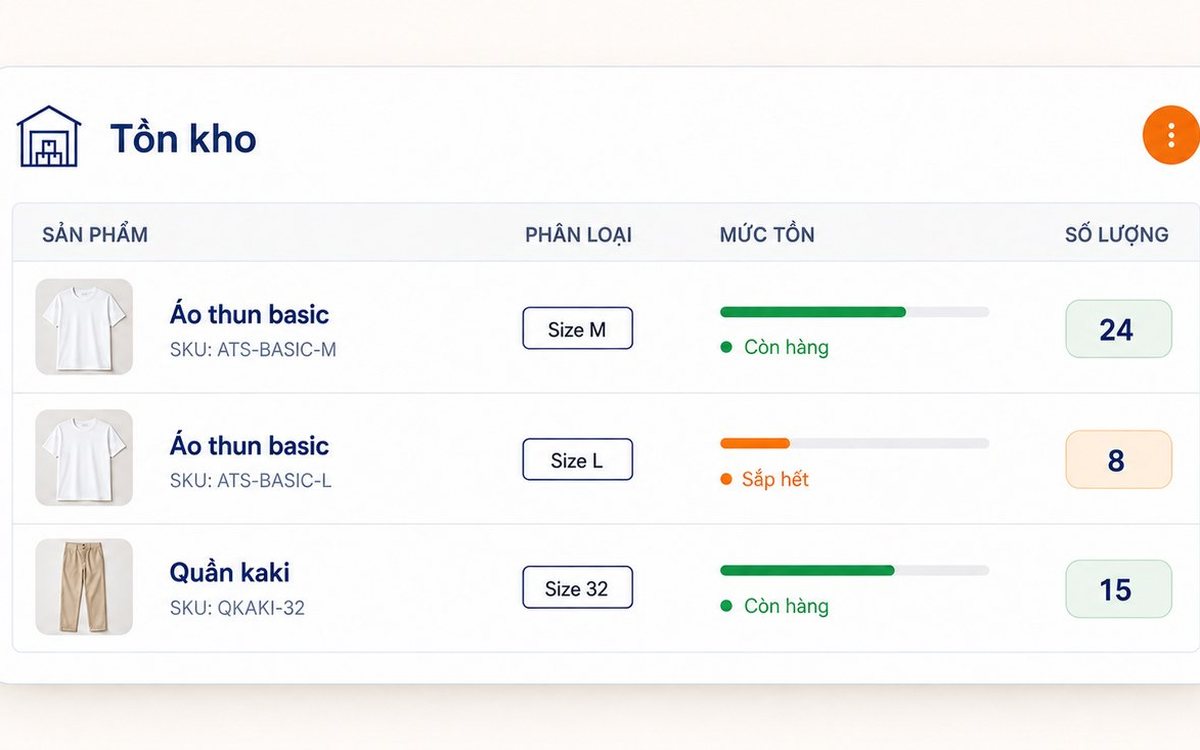
Unit of measure conversion: buy by the case, sell single items and keep stock accurate
When the stock book counts cases and the counter counts pieces, the two numbers cannot be compared at month end. Three ways of setting up items that throw stock off, how to set up unit conversion in the software, receiving by the case while stock counts in cans, and a few rules worth agreeing on in the stockroom.

Fingerprint time clock connected to software: hours go straight into payroll
A fingerprint device stops buddy punching, but it only records punch times. What the device does and what needs HR software, four steps from a finger on the scanner to a payslip, five things to do before buying a device, and how to handle a finger the device will not recognise.
