



Phần lớn quán bida chỉ đông từ chiều tối. Buổi sáng tới đầu giờ chiều, bàn trống gần hết — nhưng tiền thuê mặt bằng, điện, lương nhân viên vẫn chạy. Mỗi giờ sáng để bàn trống là một giờ đốt chi phí mà không thu được gì. Kéo được khách vào khung giờ sáng là tăng doanh thu gần như không tốn thêm chi phí cố định. Vấn đề là làm sao kéo, và làm sao biết cách nào hiệu quả.
Khách giờ sáng là ai
Giờ sáng không đông như tối, nhưng có những nhóm khách rảnh:
- Người làm ca đêm, tự do giờ giấc — sáng rảnh, thích chỗ yên tĩnh.
- Sinh viên, người trẻ giờ trống buổi sáng, nhạy với giá.
- Người lớn tuổi, về hưu — chơi giải trí, giao lưu buổi sáng.
- Nhóm tập luyện, cơ thủ — sáng vắng, bàn đẹp, dễ tập.
Điểm chung: họ đi vì giá tốt và không gian thoải mái giờ vắng, không phải vì giờ cao điểm.
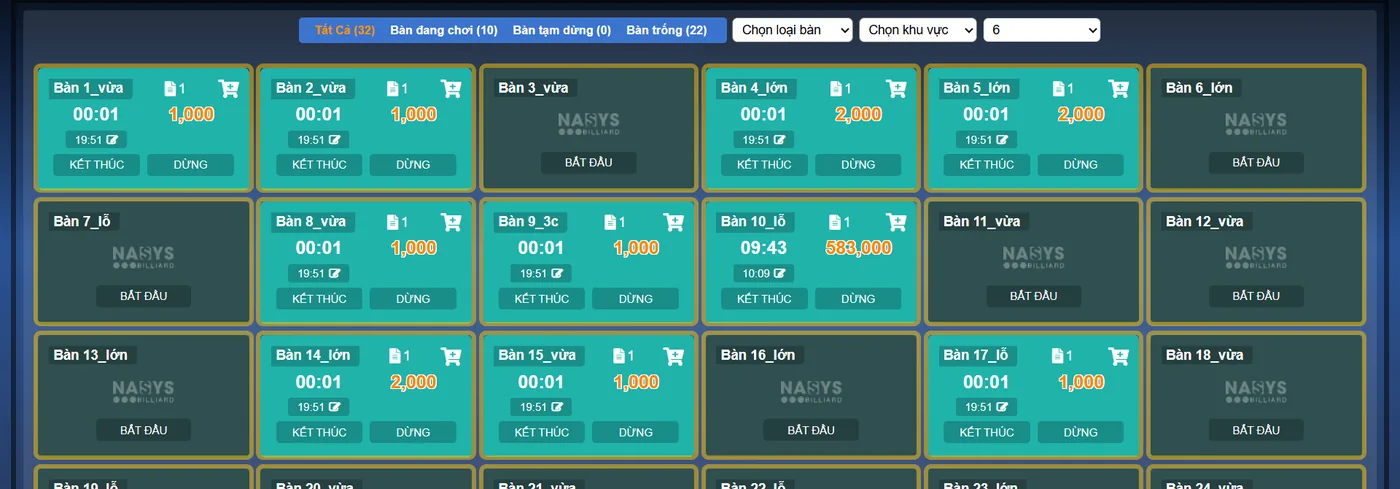
Cách kéo khách giờ sáng
- Giá giờ vàng buổi sáng: đặt giá giờ sáng thấp hơn giờ tối rõ rệt. Đây là cách trực tiếp nhất — khách nhạy giá sẽ dời lịch sang sáng.
- Combo sáng: ví dụ chơi kèm cà phê, nước giá trọn gói cho khung sáng.
- Ưu đãi hội viên khung sáng: thẻ hội viên tích giờ, giờ sáng tính điểm cao hơn để kéo khách quen vào sáng.
- Giải nhỏ, lớp tập buổi sáng: tổ chức cơ thủ luyện tập, giao lưu — lấp bàn lại tạo không khí.
Lưu ý: giảm giá giờ sáng gần như không làm tăng chi phí, vì bàn dù sao cũng trống. Thêm nữa, giờ sáng là khung giá điện thấp điểm nên chi phí điện mỗi bàn còn rẻ hơn tối — xem bài đèn bàn bida tự bật tắt để hiểu chi phí điện theo khung giờ.
Cài giá theo khung giờ trên phần mềm
Để chạy giá giờ sáng khác giờ tối mà không nhầm, bảng giá phải cài được nhiều khung. Trên Ordersys, mỗi loại bàn cài giá giờ riêng cho từng khung — sáng, chiều, tối, cuối tuần. Mở bàn vào khung nào, hệ thống tự tính theo đúng giá khung đó, nhân viên không phải nhớ hay bấm tay. Cách tính tiền giờ và các chỗ hay tính sai, xem bài cách tính tiền giờ chơi bida.
Đo hiệu quả bằng số, không đoán
Làm khuyến mãi mà không đo thì không biết có đáng không. Báo cáo doanh thu theo giờ giúp trả lời rõ:
| Câu hỏi | Nhìn vào báo cáo theo giờ |
|---|---|
| Giờ sáng có tăng khách không? | So số bàn mở và doanh thu khung sáng trước/sau khi làm ưu đãi |
| Combo sáng có kéo thêm đồ uống không? | Doanh thu đồ ăn, nước trong khung sáng |
| Khách sáng có quay lại không? | Thẻ hội viên: tần suất khách đến khung sáng |
| Giảm giá sáng có làm tụt doanh thu tối không? | So doanh thu khung tối trước/sau, xem có bị dời giờ |
Giữ ưu đãi nào làm tăng tổng doanh thu, bỏ ưu đãi nào chỉ dời khách từ tối sang sáng mà không tăng thêm. Giữ chân khách sáng quay lại, tham khảo thẻ hội viên cơ thủ.
Tóm lại
Giờ sáng vắng là doanh thu đang bỏ phí vì chi phí cố định vẫn chạy. Kéo khách bằng giá giờ vàng buổi sáng, combo và ưu đãi hội viên; cài giá theo khung giờ để không nhầm; rồi đo bằng báo cáo theo giờ để giữ cái hiệu quả, bỏ cái không. Bạn có thể xem phần mềm quản lý bida Ordersys và đăng ký dùng thử miễn phí để cài thử giá khung sáng và xem báo cáo theo giờ trên quán mình.
Ordersys times every table automatically, switches table lights, takes drink orders at the table and reports revenue per shift.
Other news
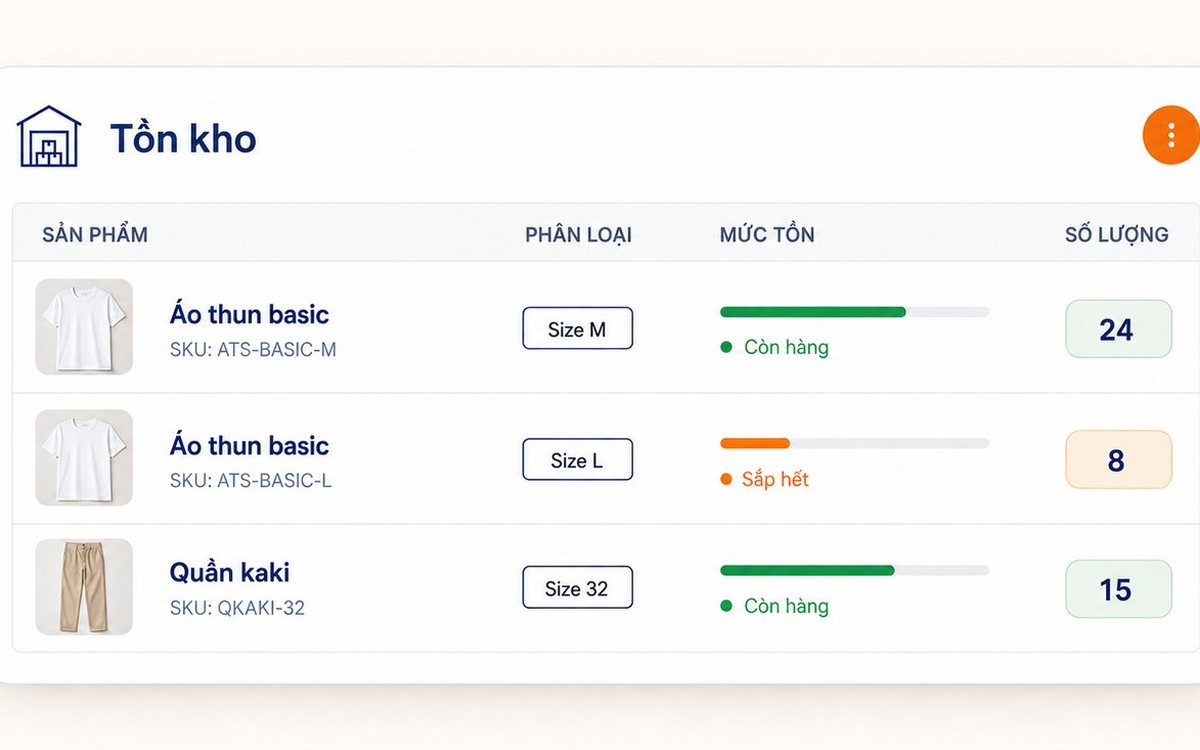
Inventory and stock software for retail stores: every item in and out has a document
When the stock on screen does not match the shelf, the software rarely miscounted; goods left or entered the stockroom without being recorded. This article follows an item through a retail store: opening stock, two-step purchase receipts (incoming first, then received into stock), instant deduction on sale, branch transfer slips, supplier returns, approved adjustments, the In–Out–Balance report and stock limits.
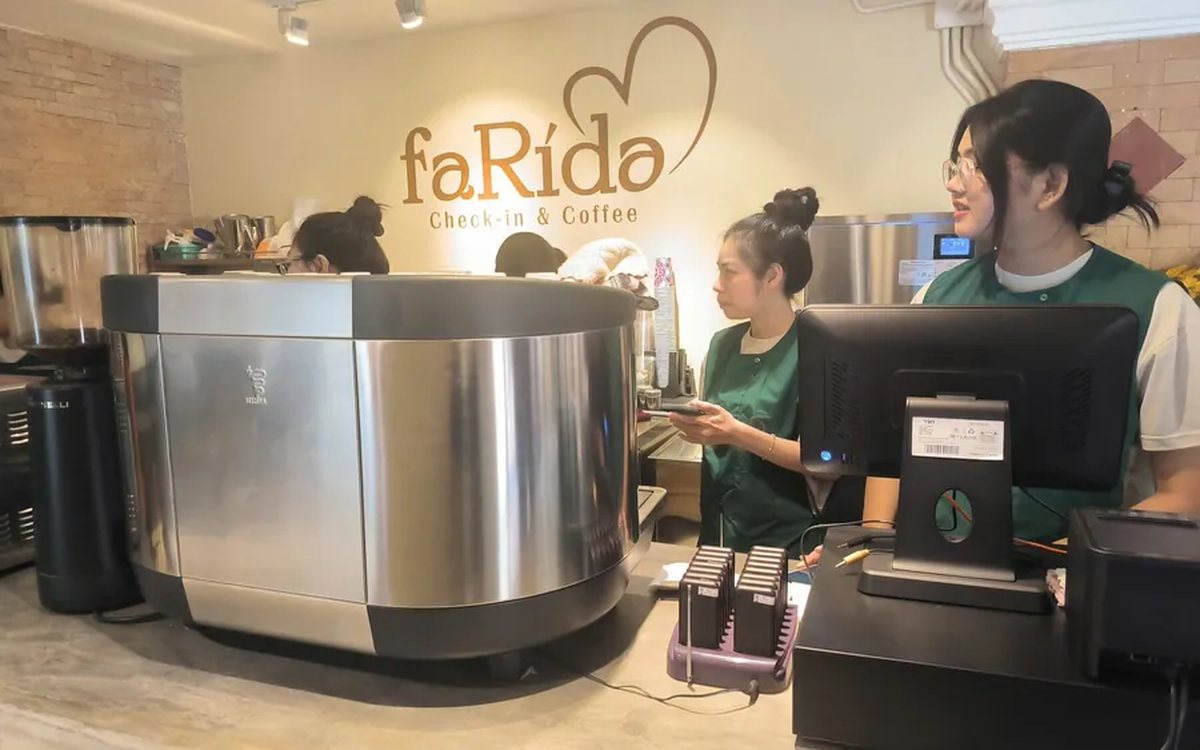
Ordering software for takeaway cafés: fast to-go orders, no mixed-up cups
A takeaway café does not lose time at the espresso machine but in four steps at the counter: typing option notes, customers changing their mind late, waiting to check transfers and handing over the wrong cup. This article shows how ordering software fixes each step: size, sugar, ice and toppings as buttons, a customer display to confirm before the cup is made, a payment QR in the total box and a numbered label for every cup.
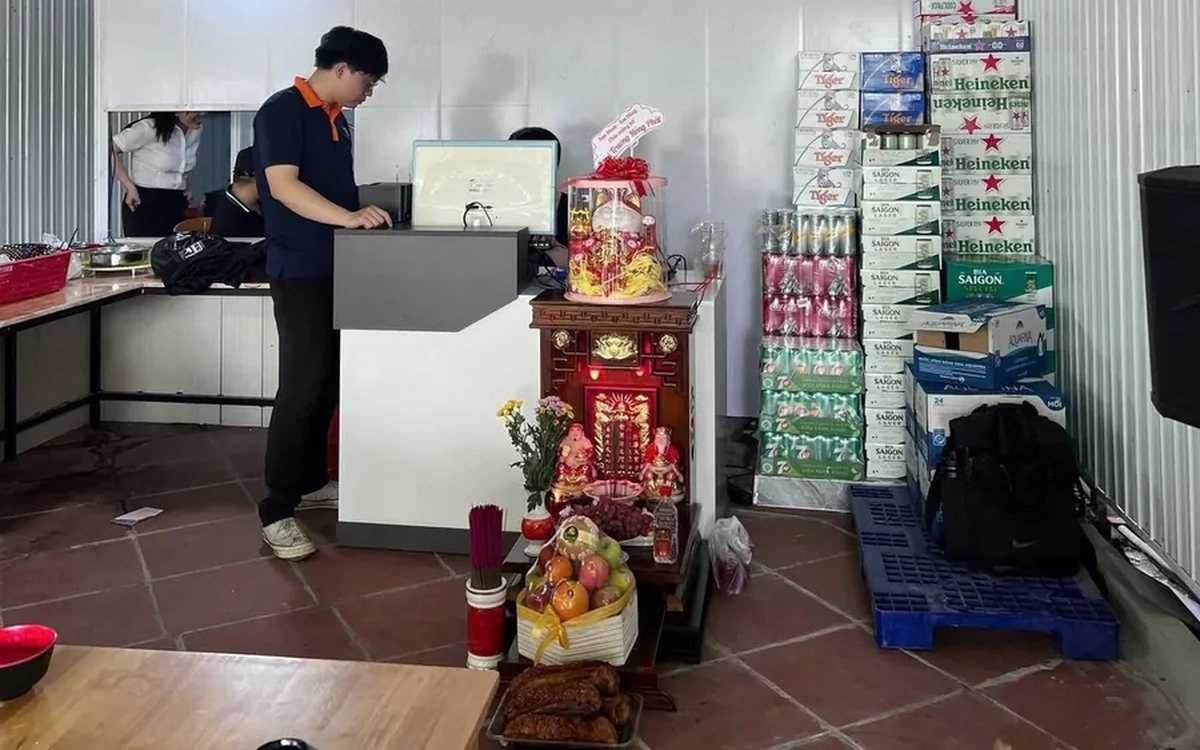
Automatic payment confirmation: customers scan VietQR or MoMo and the order closes itself
At busy times, cashiers lose the most time hunting for bank transfers. This article explains automatic payment confirmation in ordering software for restaurants and cafés: how it differs from a regular transfer QR, what happens from the moment a customer scans VietQR (BIDV), MoMo or VNPay until the order switches to paid, what runs automatically afterwards (receipts, stock deduction, member points) and when the software deliberately does not close the order.
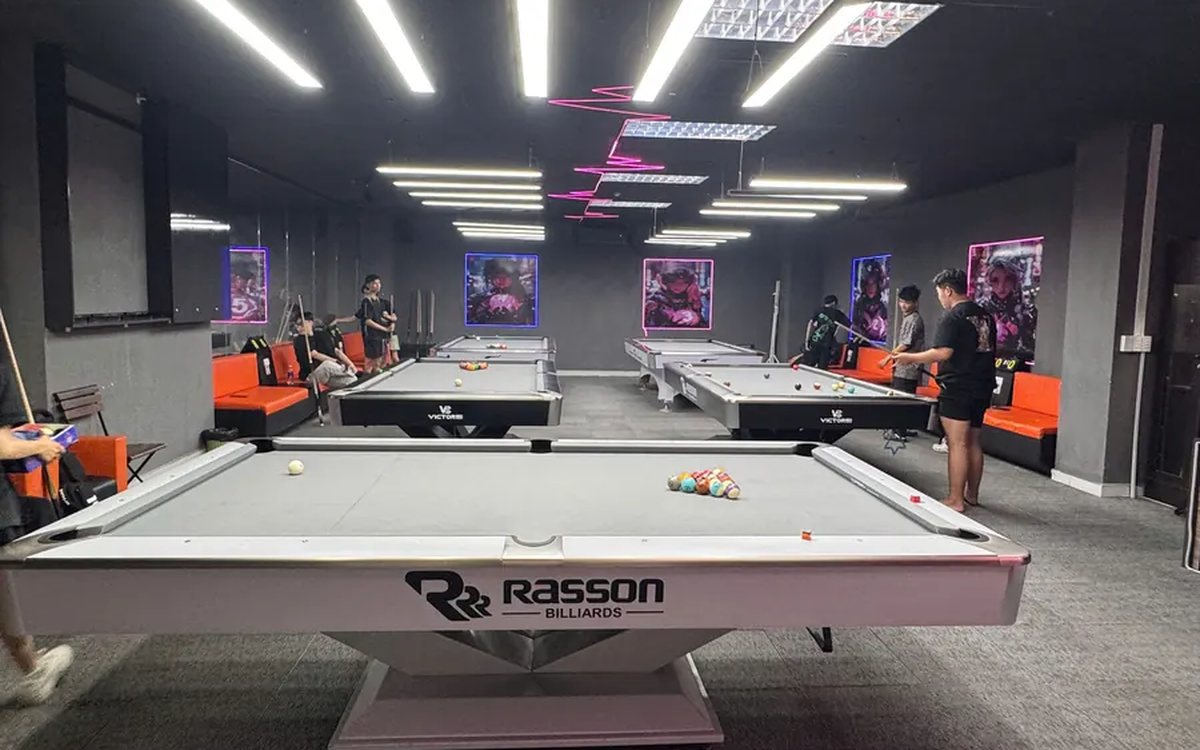
Sharing great billiards shots with customers over Zalo and social media
A clip of a great shot is something players want to keep, and the club gets mentioned every time it is passed on. This guide shows billiards club owners how to make sending highlights to customers over Zalo a counter habit: where clips come from, five steps to pick, preview, download and send, when to let customers scan a QR code to get clips themselves, and how to post on the club's fanpage while keeping customers comfortable.
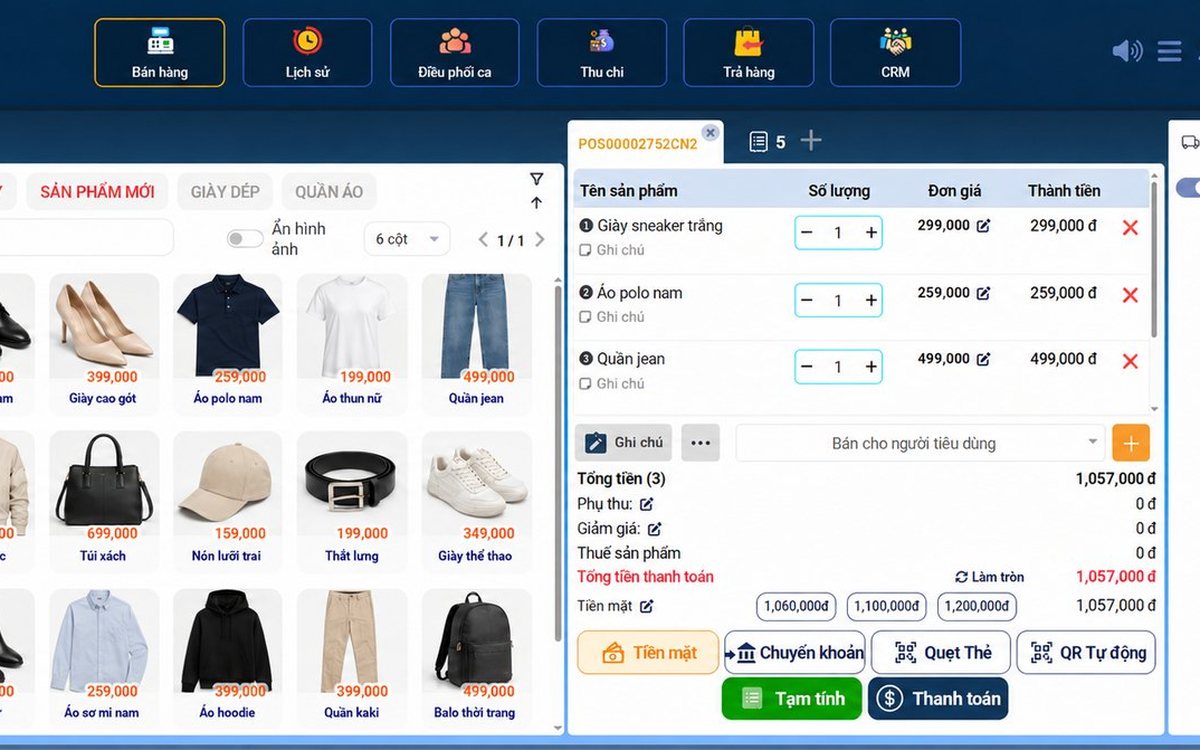
Sales software for household businesses that fits the new rules
From 2026 household businesses no longer pay presumptive tax and declare based on actual revenue; stores with revenue of 1 billion VND/year or more selling directly to consumers must use e-invoices generated from cash registers. This guide summarises the regulatory milestones that affect retail stores and what sales software must do: record every order, issue e-invoices, report by period, keep purchase records and track debts.
Scan a QR code to order at the table: guests order for themselves, the restaurant needs fewer staff
When guests scan a QR code to order at the table, handing out menus, taking orders, running tickets to the kitchen and answering "where is our food?" move to the guest. This guide separates what guests do themselves, what staff still have to do, how to rearrange shifts by table zone, and where things slip when the restaurant runs with fewer people.
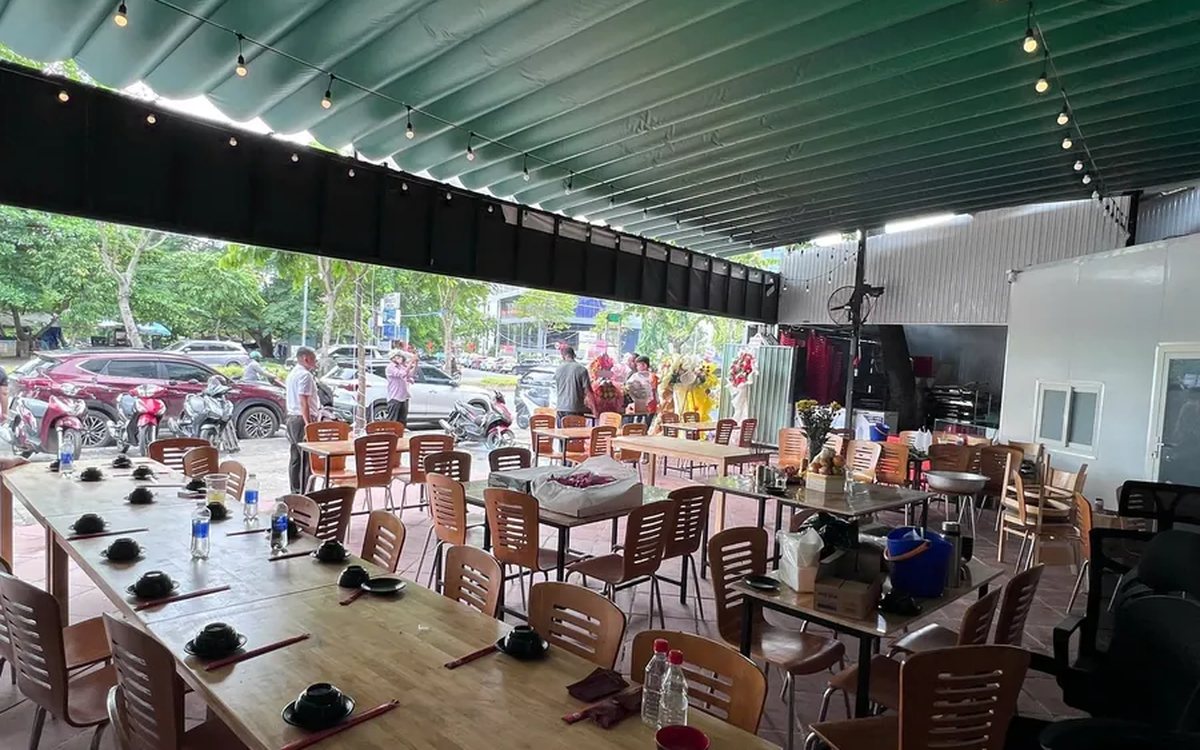
Ordering software for wedding banquet restaurants: serving many tables at once without the bill going wrong
A thirty-table wedding banquet usually goes wrong on the extras: drinks added mid-party, tables set up at the last minute, dishes sent to the kitchen twice, deposits remembered by word of mouth. This guide puts the whole banquet into one order from a multi-table booking or by merging tables, takes extra orders by phone, sends only new items to the kitchen, and settles with the host using a provisional bill, surcharges and automatic deposit deduction.
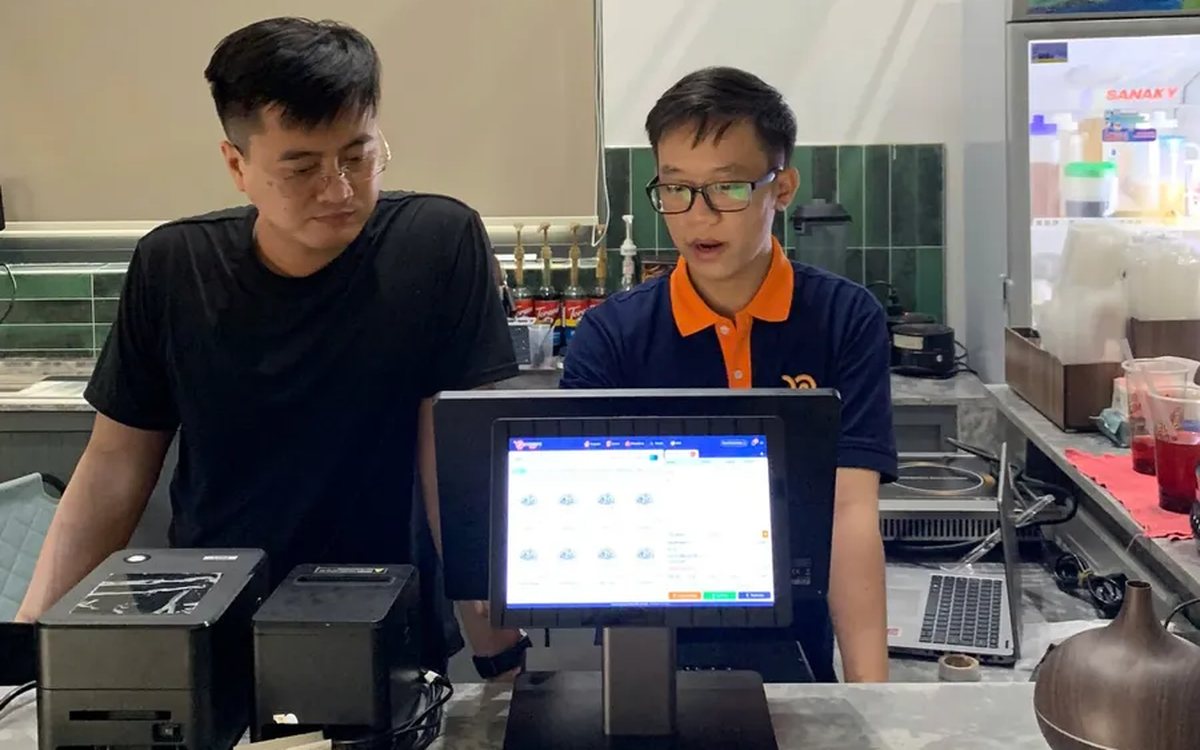
Complete coffee shop management software: how ordering, checkout, inventory and reports connect
Complete coffee shop management software is not a long feature list but ordering, checkout, inventory and reports working together: ring up one cup and the money goes into the right shift, ingredients are deducted by recipe and the end-of-day report updates itself. The article follows one cup through four stages, shows four common break points and the order to switch things on.
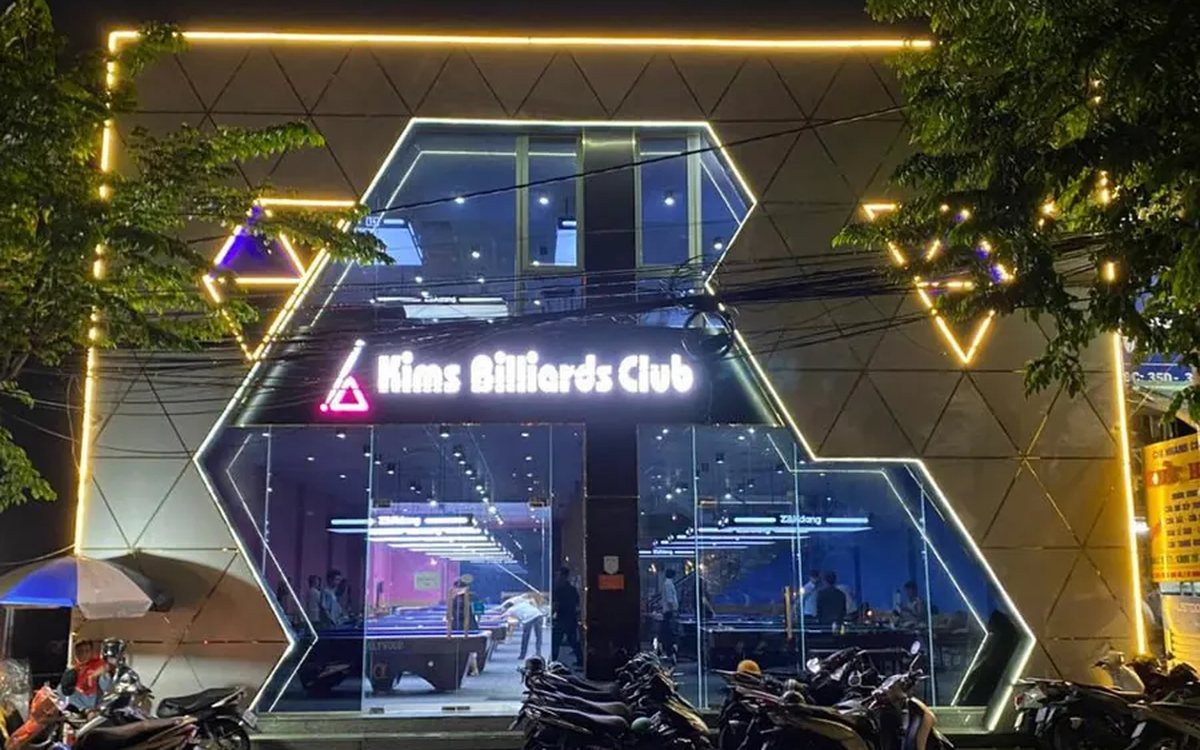
Billiards management software for a small new club: what to set up before opening day
For a new billiards club with five to ten tables, where the owner works the counter and starts the clocks, the software needs to do a few things right: set up tables, hourly rates, the menu and QR codes before opening; let players order drinks themselves and have table lights follow playing time; use camera highlights to get the club known; and after the first month read reports by table, debts and shift close.
