



"Chị làm lại giống mẫu tháng trước nha." Câu này tiệm nail nào cũng nghe mỗi ngày, và phần lớn thợ phải lục điện thoại cá nhân hoặc hỏi lại khách. Nếu thợ cũ nghỉ thì ảnh mẫu đi theo luôn. Lưu ảnh mẫu móng vào hồ sơ khách của tiệm là cách giữ khách quen rẻ nhất.
Vì sao ảnh mẫu giữ được khách
- Khách nail quay lại theo chu kỳ, thường mỗi 3–4 tuần. Mỗi lần đến, thứ khách muốn nhất là khỏi phải giải thích lại từ đầu.
- Ảnh thuộc về tiệm, không thuộc về thợ. Thợ nghỉ, khách vẫn được làm đúng mẫu — bớt đi một lý do để khách theo thợ sang tiệm khác. Xem thêm giữ thợ giỏi mà không mang khách đi.
- Ảnh là danh mục mẫu thật của tiệm, dùng lại để tư vấn khách mới.
Chụp thế nào cho dùng lại được
| Việc | Cách làm |
|---|---|
| Thời điểm | Ngay khi làm xong, trước khi khách thanh toán — để sau là quên |
| Góc chụp | Một ảnh cả bàn tay, một ảnh cận móng có chi tiết (đá, vẽ) |
| Ánh sáng | Cùng một chỗ đèn trong tiệm, để màu giữa các lần giống nhau |
| Xin phép | Hỏi khách một câu trước khi chụp; ảnh chỉ lưu nội bộ, muốn đăng lên trang của tiệm thì hỏi riêng |
Ảnh thôi chưa đủ: ghi thêm bốn thứ
- Mã màu và hãng sơn/gel — ảnh chụp dưới đèn khác nhau có thể lệch màu, mã màu thì không.
- Độ dài và dáng móng khách thích (vuông, bầu, nhọn…).
- Dị ứng, móng yếu nếu có.
- Thợ làm và ngày làm — để biết khách đang theo chu kỳ bao lâu.
Khách quen đến: mở hồ sơ trước, hỏi sau
Khi khách đọc số điện thoại, người ở quầy mở hồ sơ ra thấy ngay mẫu lần trước, màu, thợ đã làm. Câu đầu tiên có thể là "lần trước chị làm màu nude mắt mèo với chị Trâm, lần này giữ mẫu hay đổi?" — khách thấy mình được nhớ, và việc chốt dịch vụ nhanh hơn hẳn.
Ordersys giúp phần nào
Phần mềm quản lý nail Ordersys lưu ảnh theo từng lần làm trong hồ sơ khách, kèm màu sơn, hãng gel và ghi chú; hồ sơ mở theo số điện thoại, có tích điểm và hạng thành viên. Xem phần mềm quản lý tiệm nail Ordersys.
Đọc tiếp: nhắc khách nail quay lại sau 3–4 tuần.
Manage appointments, session-based treatments, client records and technician commissions in one app.
Other news

Managing tips for karaoke room servers: recording and sharing them transparently
Karaoke guests tip in cash, by adding to the bill or by overpaying a transfer. The last two pass through the venue's fund, and if nobody records them, suspicion follows. Three kinds of tips and where the money sits, individual or pooled tips, recording tips at payment, and paying them out at shift end transparently.
Duplicate customers in your list: how to merge them without losing history
One customer with three profiles means points split three ways, never reaching a higher tier, and reports counting them as new customers. Five sources of duplicates, the signs to look for, how to merge while keeping purchase history and loyalty points, and counter habits that stop duplicates from the start.
Booking deposits for nail salons in peak season: who to ask, what to say, where the money goes
In peak season, every missed booking wastes a prime time slot of your best technician. Which bookings need a deposit and which do not, three things to say when you take one, which technician it holds, and how the deposit moves through the software so the cash fund still matches at the end of the day.
QR digital menu: change prices and hide sold-out dishes without reprinting
A QR menu can change right away without reprinting, but you need the right switch. Three ways to stop customers ordering a dish by QR, whether a price change affects dishes already ordered, what the kitchen's Sold out button really does, and a three-step routine for busy hours.
Tracking spa appointment status: arrived, late or cancelled
The hard part of spa appointments is not writing them down but knowing what state each one is in right now. Six statuses and what reception should do at each, how to handle no-shows, and how to cancel and undo bookings while deposits still match the cash book.
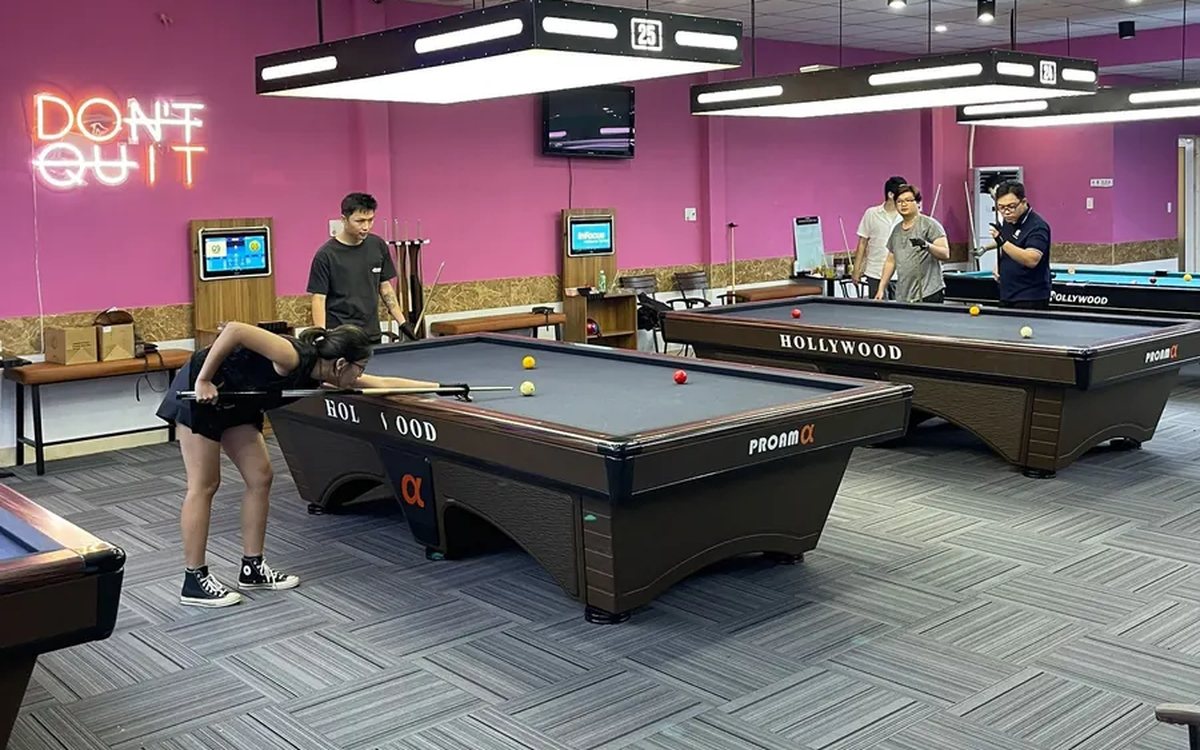
Transferring a billiard table: keep time played and items ordered, charge each table correctly
Guests switching tables mid-session is routine at a billiard hall. Press Transfer table and the time played closes at the old table's price, further time runs at the new table's price, and ordered items travel with the bill. This article shows how the bill looks, when a transfer is not possible and where the owner can review it.
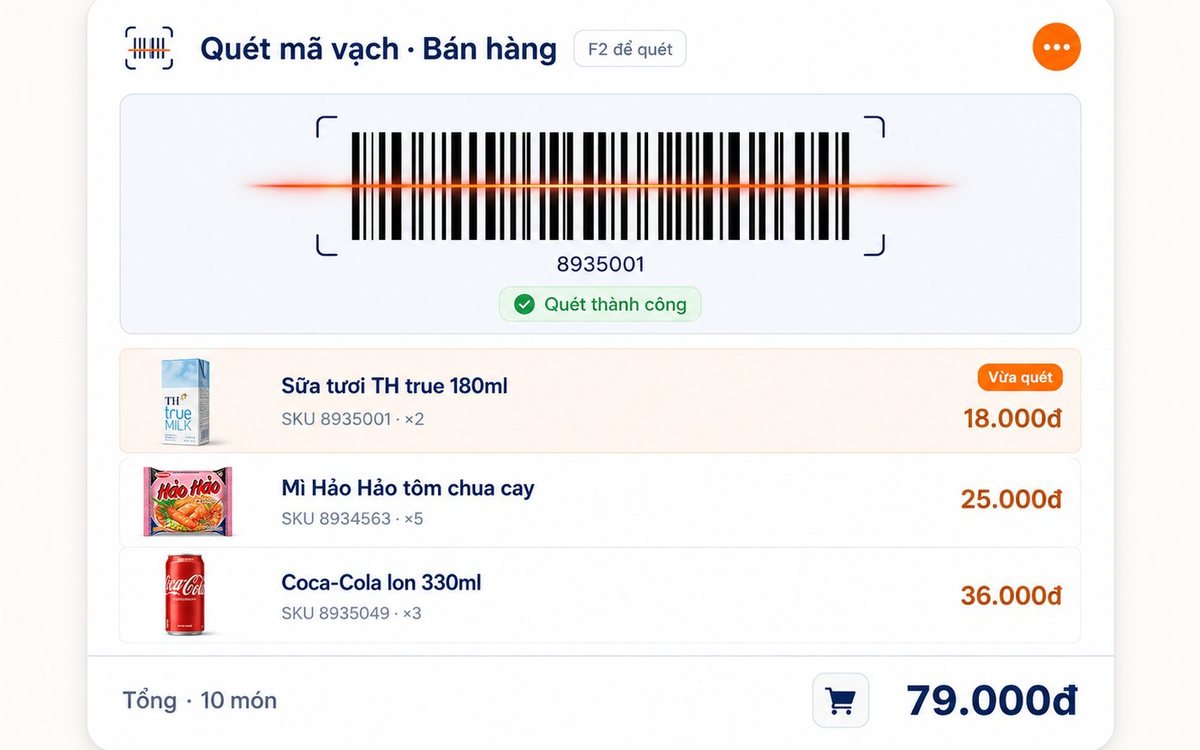
Pharmacy and grocery software: barcodes, expiry dates, fast selling
Pharmacies and grocery shops struggle the same way: many items, small values, a customer waiting, and stock with expiry dates. Barcode selling, lot and expiry travelling with the goods from receipt, case-to-box conversion, stock levels — and one point pharmacies should ask about before choosing software.
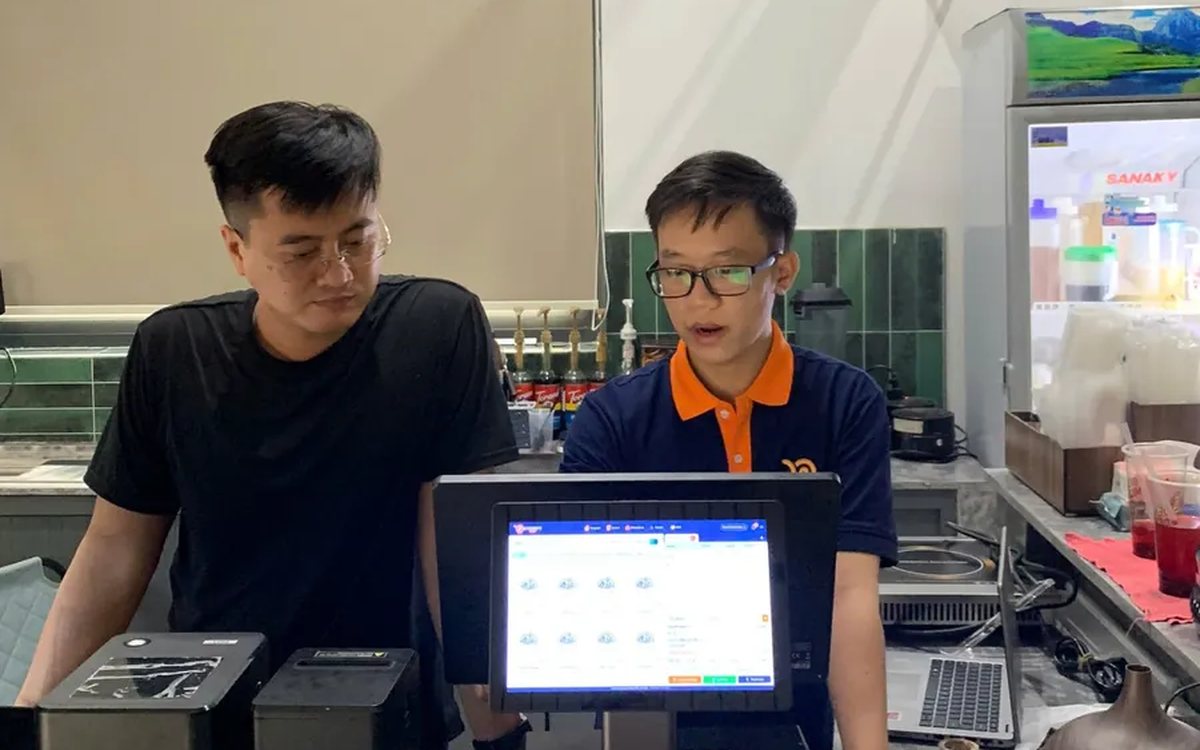
Paying part-time staff by the hour in restaurants and coffee shops
Monthly salary does not fit part-timers on four or five-hour shifts with a roster that changes weekly. The four things to set up properly — shifts, attendance, the hourly rate, the closing cycle — and why worked hours must come from attendance rather than from the roster.

Massage shops: booking rooms, beds and therapists without overlaps
Two customers on one bed is the kind of mistake that loses guests quietly. The three sources of overlap in a massage shop, how the software blocks bed conflicts using start time plus duration and a buffer on both sides, what the machine guards and what people still have to, and four rules to agree on before switching on.
