



A hotpot and grill house is not like a rice or noodle shop: guests do not order once and stop. Four people at one table over two hours may order five or six rounds — another plate of pork belly, more mushrooms, more noodles, more beer. And the kitchen is not one kitchen: the grill station is in one place, the hotpot broth in another, beer and drinks at the bar. Because guests stay long, each table turns over once, maybe twice, in an evening. Those three traits decide what a hotpot and grill house needs to configure before opening day.
Three places a hotpot and grill house breaks
| Where it breaks | How it shows up | Where to configure it |
|---|---|---|
| Orders spread over many rounds | Arguments at the end: "we never ordered this plate" | Every round lands on one table bill, each line timestamped |
| Kitchen split into stations | A grill ticket prints at the hotpot station, food runs late | Kitchen/bar printer settings by product group |
| Tables occupied for hours | A guest phones to book for tonight, staff write it on paper and forget | Advance bookings with a code, shown on the table map |
Build the menu before you open
The heaviest work in a hotpot and grill house is the menu, not the hardware. Four things worth finishing in the first week:
- Hotpots and broth flavours. The broth is a menu item; the flavour (Thai, hot and sour, mushroom) is an attribute of that item. Each attribute can carry its own ingredient quantities, so picking a flavour deducts exactly the spice pack that flavour uses.
- Meat sold by the plate, bought by the kilo. Meat comes in by weight and goes out by the plate. Set the quantity per plate and let the software deduct stock by recipe; only then do you learn at the end of the week how many plates a kilo of pork belly yields and how much is lost in prep.
- Buffet seats. If the house sells buffet, declare a seat as a menu item, one line per tier; enter the headcount and the amount appears. Anything ordered outside the buffet is billed separately.
- Table supplies. Charcoal, cold towels and dipping sauce deserve their own menu lines whether you charge for them or not — a line can be counted, and counting is how you learn how much charcoal last month burned through.
Tickets must run to the right station
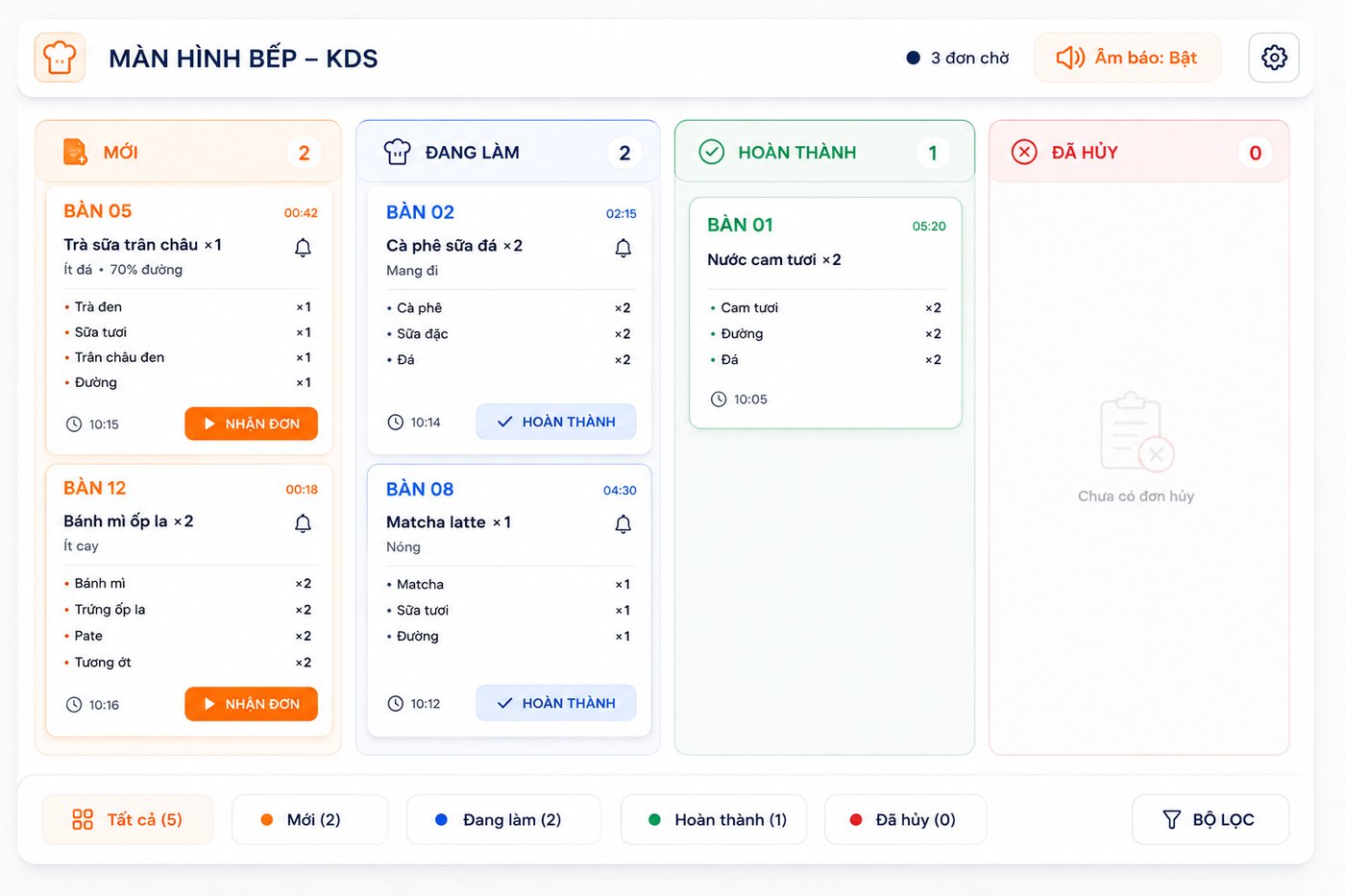
This is what separates software you can work with from software that only adds up a bill. In the kitchen and bar printer settings, each product group points at one printer: grill items to the printer at the grill, hotpot items and vegetables to the hotpot station, beer and drinks to the bar. Staff press once and three places each receive their own part. When the table orders a fourth round, only the new lines print — not the whole bill again.
Long sittings mean you have to manage tables
A hotpot and grill house lives on evening table turns, so two things are worth configuring on day one:
- Take advance bookings. Each booking gets its own code and appears on the table map, so whoever is at the counter can see which table is already spoken for at seven. There is a setting that blocks walk-ins from being seated at reserved tables within a window before the booking time, so a guest who booked does not arrive to find their table occupied.
- Split, merge and move tables. A large group pushing two tables together and then splitting the bill between two groups is routine. Each of these three functions can be switched on or off individually — a house that does not want staff moving tables on their own can disable it outright.
Close the shift before you go home
At the end of the night the person on duty closes the shift on the machine: the shift slip records the closing time, who closed it, the cash in the drawer and a note if anything is off. The system will not let a new shift open while the previous one is still open, so two shifts never blur into one for someone to untangle next morning. Only then does the end-of-day report say something true: what last night sold, which table turned most often, which dishes moved.
All of the above is part of Ordersys restaurant management software, one system with table ordering, kitchen printing, recipe-based stock and reporting. A house about to open, or still running on a paper book, can take the free 7-day trial — set up one hotpot with two flavours and one plate of meat with quantities, and you will see straight away how stock is deducted.
Read more: Hotpot and grill houses: orders straight to the kitchen and billing by table for a closer look at kitchen tickets and bill consolidation; and Buffet restaurants: billing per seat, tracking guests in and out, and extra orders if the house also sells buffet.
Staff take orders on their phones, the kitchen gets them instantly, guests order and pay by QR, owners see revenue remotely.
Other news

Bakery management software: production recipes, expiry dates and cakes ordered for a pickup date
A bakery is a small workshop stuck to a shop, so software that only sells still leaves the owner guessing how much flour went into a batch. Declare baked goods as produced items with recipes, sponge and cream as semi-finished goods, receive materials by lot with expiry dates, sell at the counter with barcode labels, and keep every advance cake order in one place.
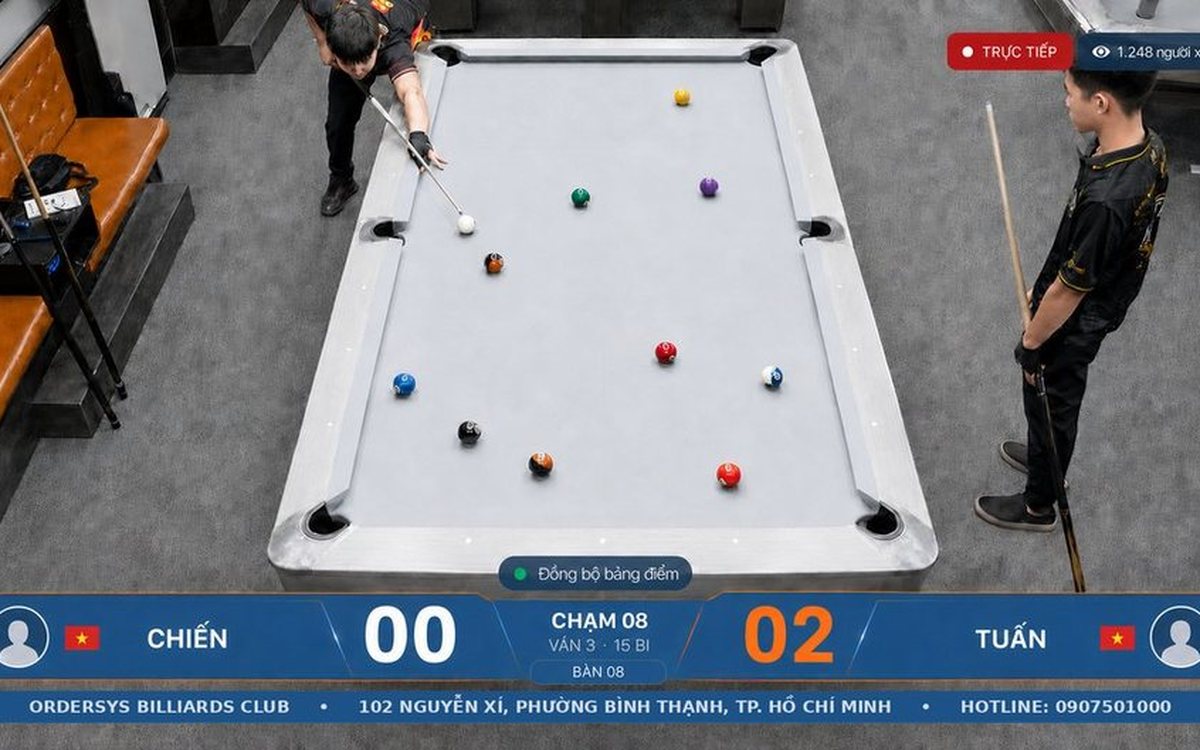
Filling off-peak hours with student groups: attach the offer to the person, not just the hour
Cutting the price for a whole afternoon band also discounts the people who were coming anyway. To aim at the group you are missing, the offer has to attach to a person: membership cards and tiers, three preset rates — Regular, Student, Other — and a capped group combo limited by weekday and time window. Plus three guards so the discount does not leak.
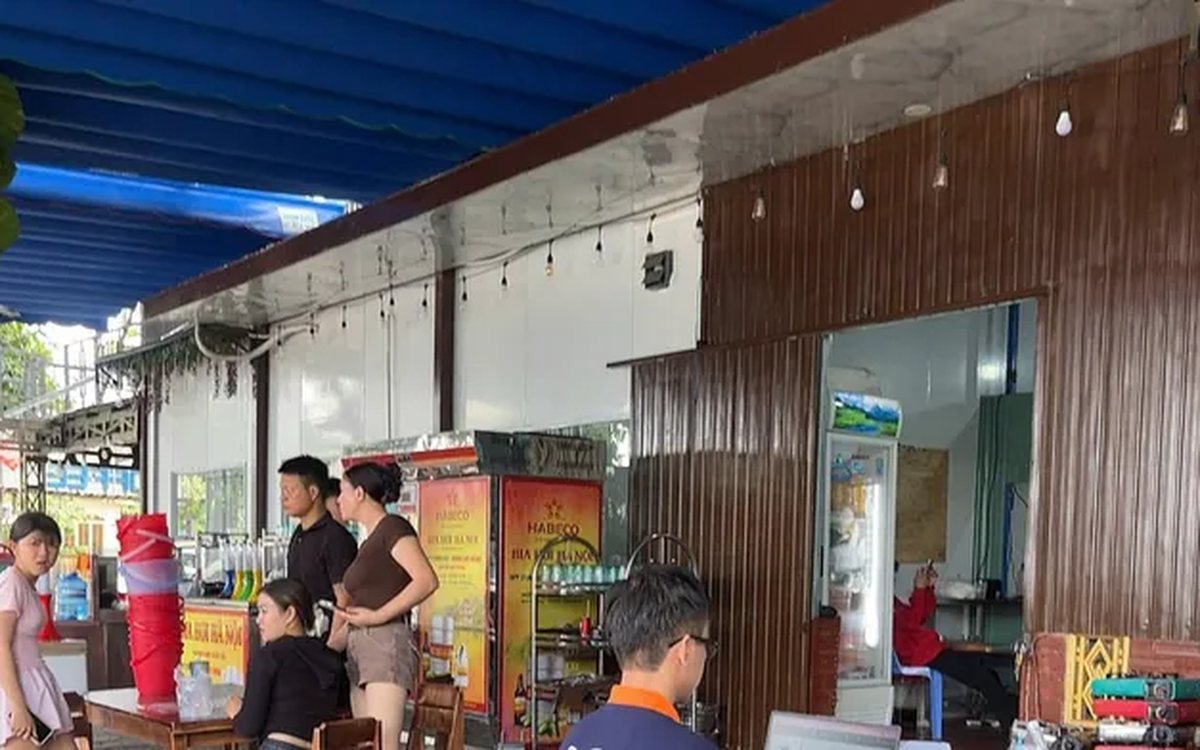
HRM software for restaurant and cafe chains: splitting the work with each outlet
By the third location, three Excel files on three computers no longer answer how many people the chain employs or what it spent on staff last month. One shared record that travels with the person, a table splitting duties between owner and outlet manager, permissions by store, rules configured per branch, and labour cost broken out by outlet.
Flower shop software: bookings by delivery date and wholesale credit
Most of a flower shop's revenue comes from orders booked in advance, stock spoils in two or three days, and restaurant and hotel regulars buy on credit all month. How to put the delivery date, time and card message in the order itself, filter today's deliveries at the counter, sell by the stem while receiving by the bunch, and track wholesale debt with reminders before it falls due.

Managing massage therapist shifts without padded hours
A handwritten timesheet leaves nothing to check at month-end, so it gets signed anyway. Declare shifts in advance, clock in on a branch-tied QR device, then set hours beside the session count for that shift — three common discrepancy signals and how to go from timesheet to hourly payroll.
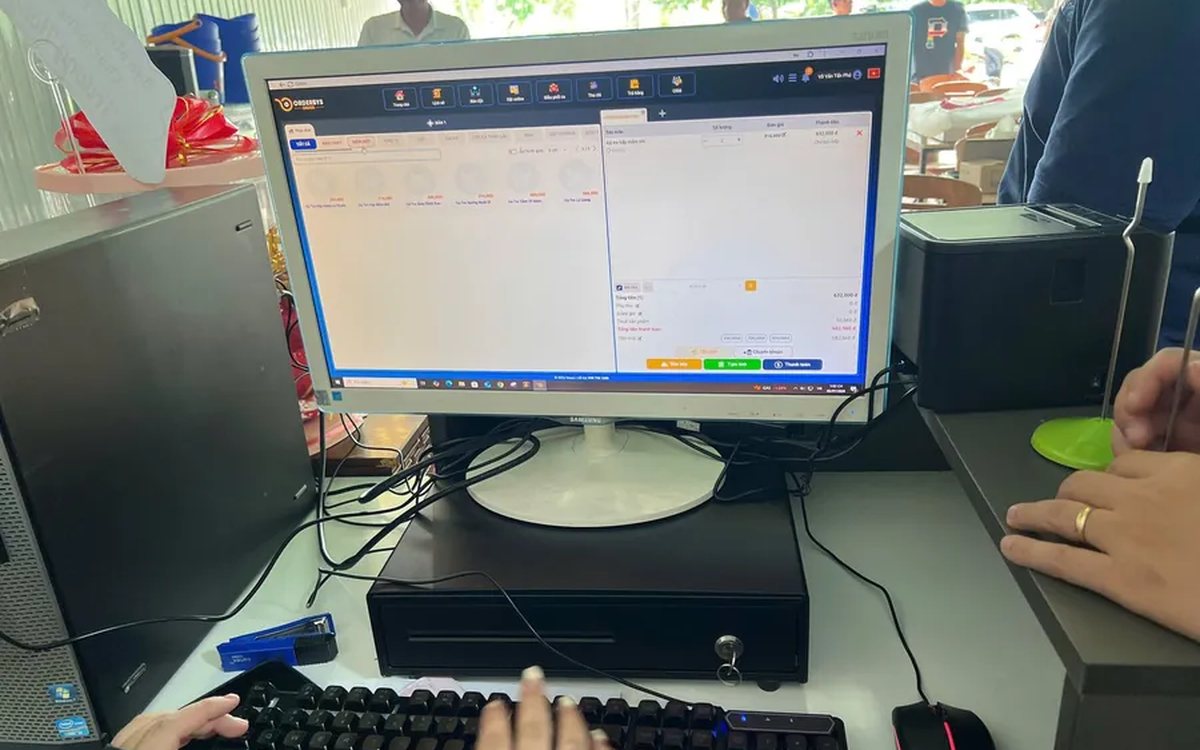
Pizza shop software: choose-your-own toppings, dine-in and delivery
A dozen pizzas on the menu, but size, crust and toppings push it to several hundred combinations — and the shop sells three channels at once. How to declare attributes, variants and topping groups once, run all three channels on one system, deduct ingredients by recipe, and what not to expect from the delivery side.
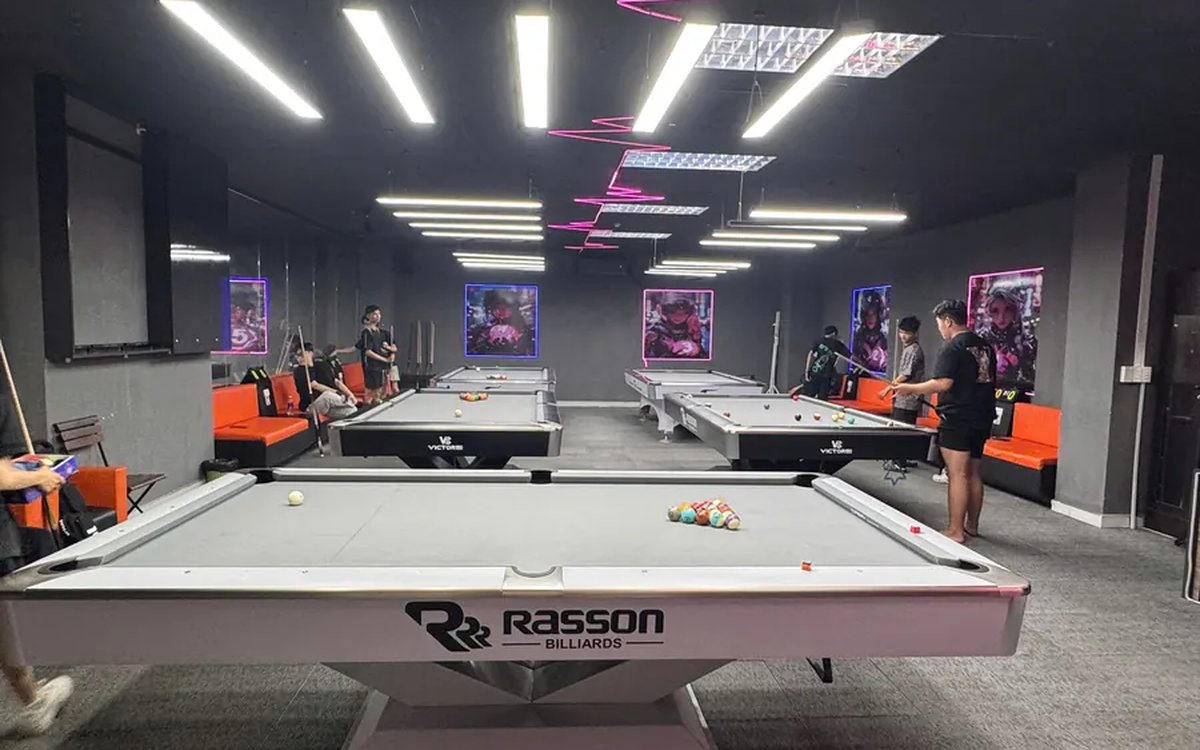
Reports on which billiards tables are busy by hour, for staffing shifts
How many staff for a Friday night, and is the table at the back worth keeping — two questions answered by reports, not instinct. The revenue-by-table screen lists even the zero tables, per-table detail carries invoice timestamps, plus three charts for reading hour bands and four things to do after reading them.
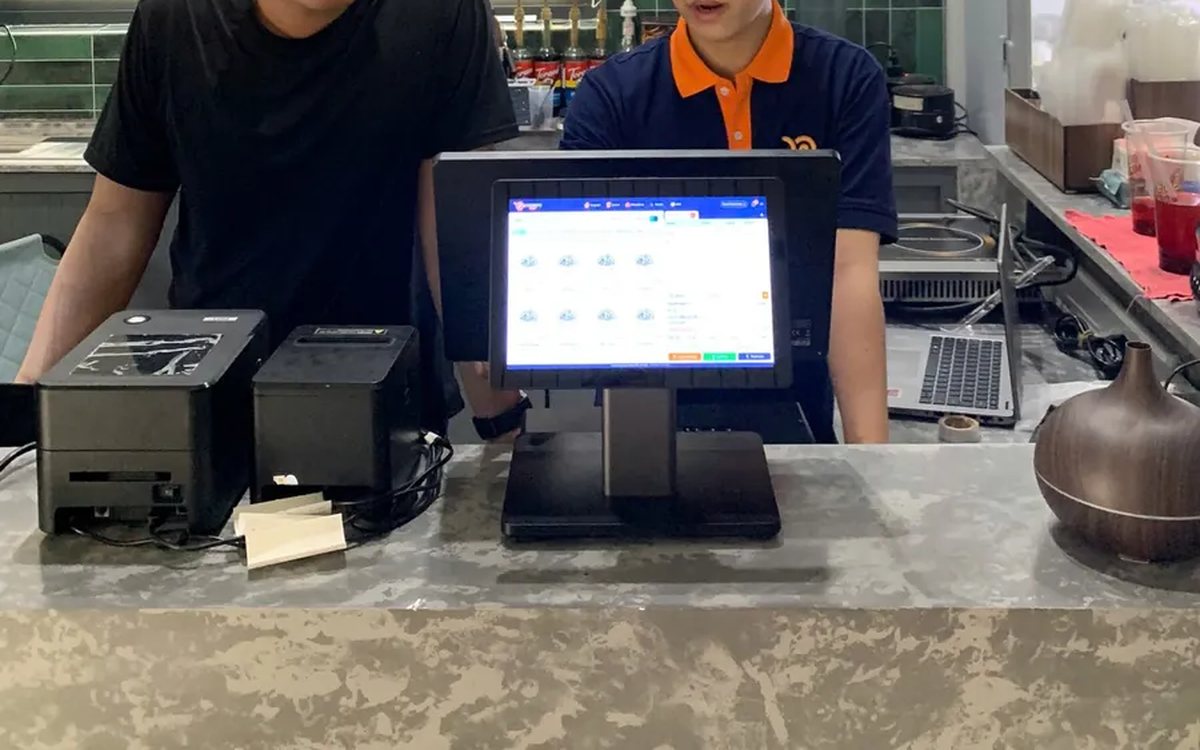
Assessing staff productivity by sales and hours worked
The highest sales figure is not necessarily the strongest performer — you still have to divide by hours worked. The two numbers you need first, three ways to turn them into productivity, three rules for comparing like with like, what to measure for roles with no sales, and why criteria must be announced before money is attached.
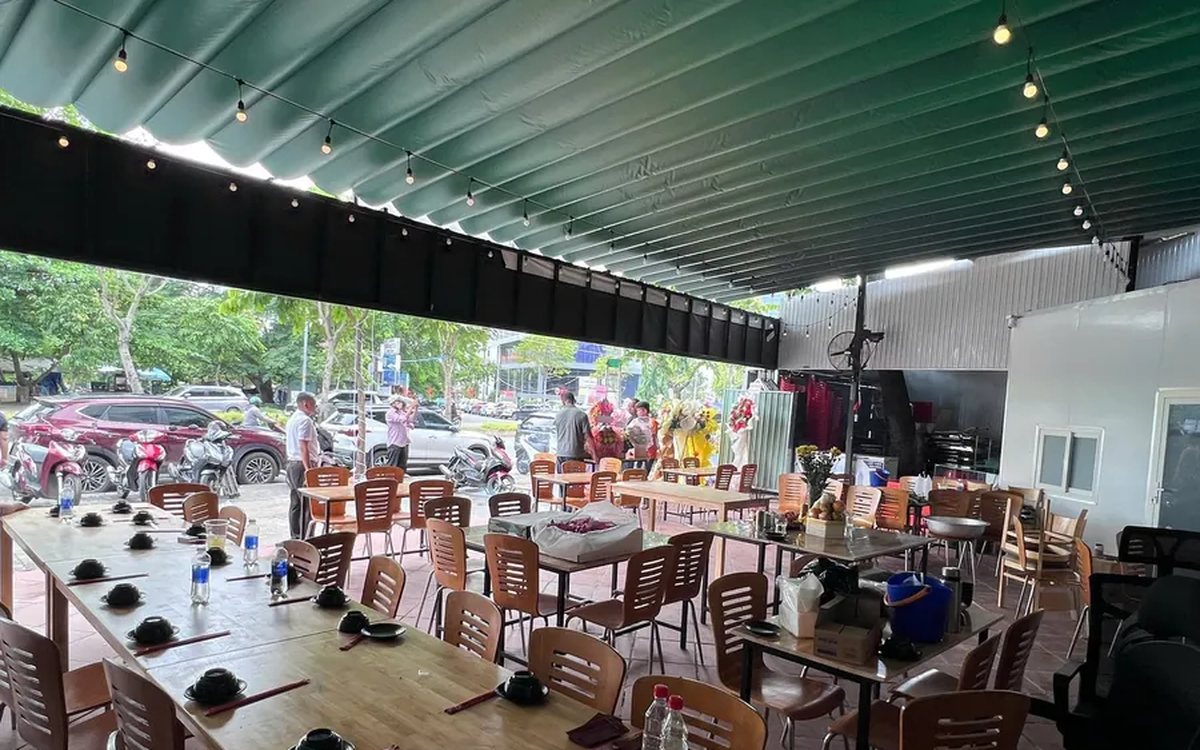
Per-dish gross margin in a restaurant: making the number trustworthy
What the gross margin on a plate includes and excludes, two ways to get cost into the software (a cost price field or ingredient recipes), four places the number goes wrong, and why you must multiply margin by plates sold to see which dish really feeds the restaurant.
