



Every restaurant owner knows last month's takings and how much went to the market. But ask "how much does the grilled beef plate make" and you usually get silence, or a figure guessed back when the place opened. Ingredient prices have turned over several times since then, and the menu has gained and lost dozens of dishes. This article is about making the per-dish gross margin in your software trustworthy, not merely a field with a number in it.
What per-dish gross margin includes, and what it does not
The gross margin on a plate is its selling price minus the ingredient cost of that plate. It does not subtract kitchen wages, electricity or rent — those three cannot be split evenly across dishes, and forcing the split produces a number you cannot decide anything with. They are deducted a level up, when you look at the whole month.
So do not panic at a 65% gross margin. That is normal for a restaurant; the rest goes into operating costs. The job of per-dish gross margin is to answer a different question: among the dishes you sell, which ones leave the most money behind after the market run.
Two ways to get cost into the software
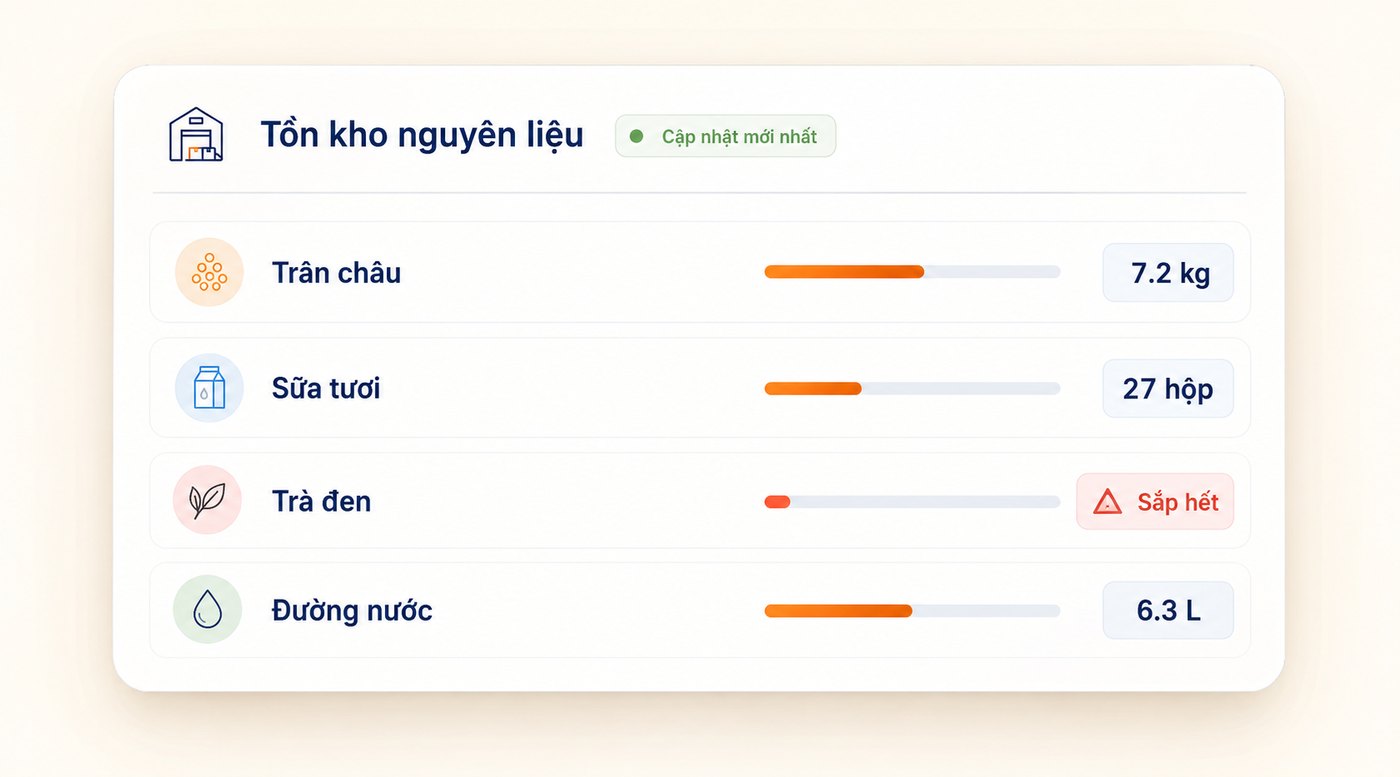
The first: each item has a cost price field that the owner works out and types in. Fast, and fine for a small menu or for resold goods like soft drinks and beer. The drawback is that it sits still until somebody remembers to change it.
The second: declare an ingredient recipe per dish — how many grams of meat the grilled beef plate takes, how much vegetable, how much seasoning. Sell one plate and the system deducts exactly that from stock. It takes more effort to set up, but in exchange the cost follows real purchase prices, and because stock deducts itself you can also see at month end where the shortfall is.
In practice, do both: recipes for the main dishes and the best sellers, typed-in cost prices for bottled drinks and side items.
Four places gross margin goes wrong
- Purchase prices move, cost price stays put. Meat goes up 15% while the cost table is six months old, and every dish looks profitable.
- Accompaniments are not counted. A grilled plate comes with fresh herbs, dipping sauce, rice paper. Undeclared, they vanish from the cost while still costing real money.
- Trimming loss is ignored. You buy a 1kg cut and after trimming have 800g usable. The cost has to be worked out on 800g, not on 1kg.
- Comped dishes, voided dishes, returns. A ruined plate still consumes ingredients with no revenue against it. If the kitchen does not void it in the software, those ingredients pile into waste with nobody knowing where they went.
Margin per plate is not the whole story — multiply by units sold
This is where many people stop too early. The highest-margin dish is not necessarily the one feeding the restaurant, because it also depends on how many plates go out. The product report gives units sold per dish over a date range; multiply the margin per plate by that and you get the real contribution.
| Dish (illustrative example) | Margin per plate | Plates sold this month | Contribution |
|---|---|---|---|
| High-priced signature dish | 60,000đ | 40 | 2,400,000đ |
| Best-selling rice plate | 22,000đ | 520 | 11,440,000đ |
| Bottled soft drink | 8,000đ | 900 | 7,200,000đ |
The last column shows why you should not drop a cheap item just because the margin per plate is thin, and why the signature dish, handsome as it looks on the menu, contributes only a small share. Decisions to push, change or drop a dish belong to that column, not to a percentage.
Twenty minutes a month is enough
You do not have to redo everything. Each month, review the purchase prices of the ten or so ingredients that take most of the market money, update the recipes or cost prices for the dishes that use them, then open last month's product report. Look at the five biggest contributors — that group must never run out of ingredients and must be cooked to recipe. Then look at the bottom of the table: a dish that sells little and needs ingredients of its own is holding space in the fridge without paying rent for it.
One tip: before raising prices across the whole menu, try updating the cost prices correctly and looking again. Sometimes the problem is not the selling price but two or three dishes with wrong recipes, or trimming loss nobody has measured.
The cost price field on each item, ingredient recipes that deduct stock on sale, and the product report by date range are part of Ordersys restaurant management software, with a free 7-day trial. Read more: how to work out dish cost and price a menu and ingredient recipes: selling a dish deducts stock automatically.
Staff take orders on their phones, the kitchen gets them instantly, guests order and pay by QR, owners see revenue remotely.
Other news
Assessing staff productivity by sales and hours worked
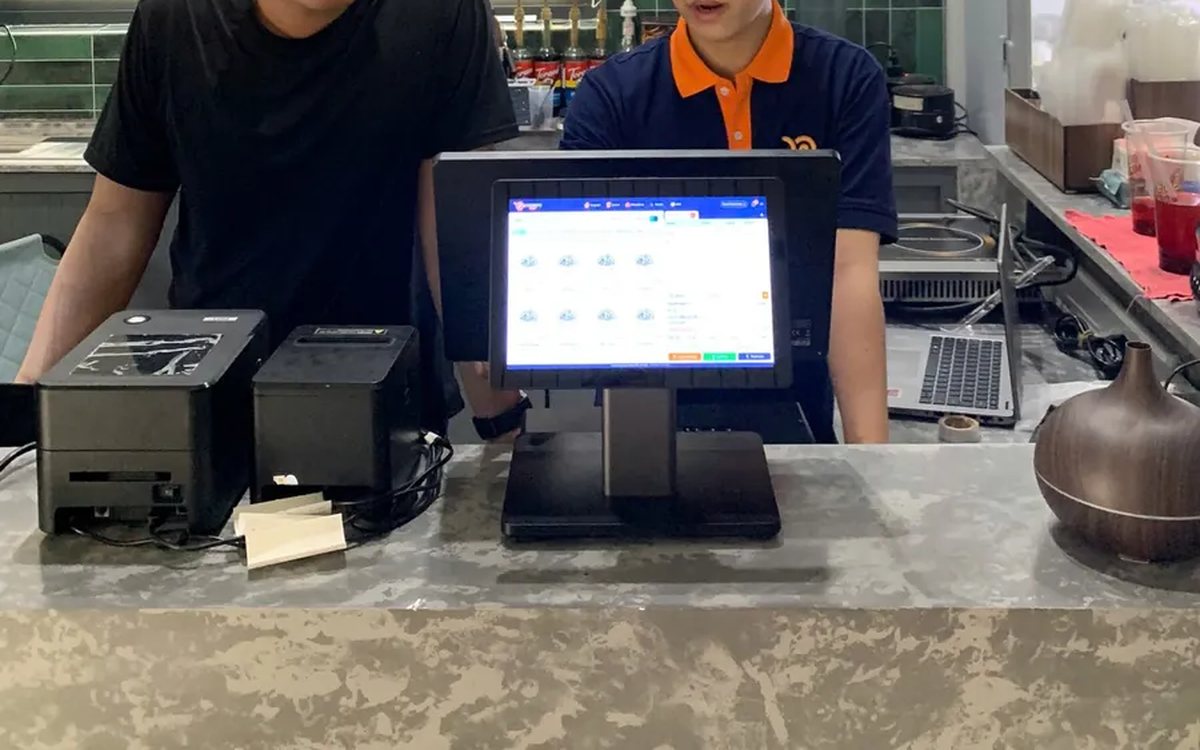
The highest sales figure is not necessarily the strongest performer — you still have to divide by hours worked. The two numbers you need first, three ways to turn them into productivity, three rules for comparing like with like, what to measure for roles with no sales, and why criteria must be announced before money is attached.

Bubble tea chain management software: open the second shop without starting over
Opening a second bubble tea shop: import the menu from a file instead of retyping it, declare the four option groups and the recipes so the drink stays the same, use a price list for per-location price differences, then read reports combined and split by branch.

Massage bookings over Zalo: what to do once the message arrives
A chat message is not yet an appointment. How to move it into the shared schedule: pick the room, the bed and the therapist, read the appointment statuses, and let the software remind the customer before the slot.

Pet shop software: selling supplies and taking grooming bookings on one machine
A pet shop is two shops in one: stock in many pack sizes, and grooming services that need a time slot. How to declare several units of measure, take bookings with a named staff member, and put goods and services on the same bill.
Credit for billiard club regulars: record and collect debt in the software
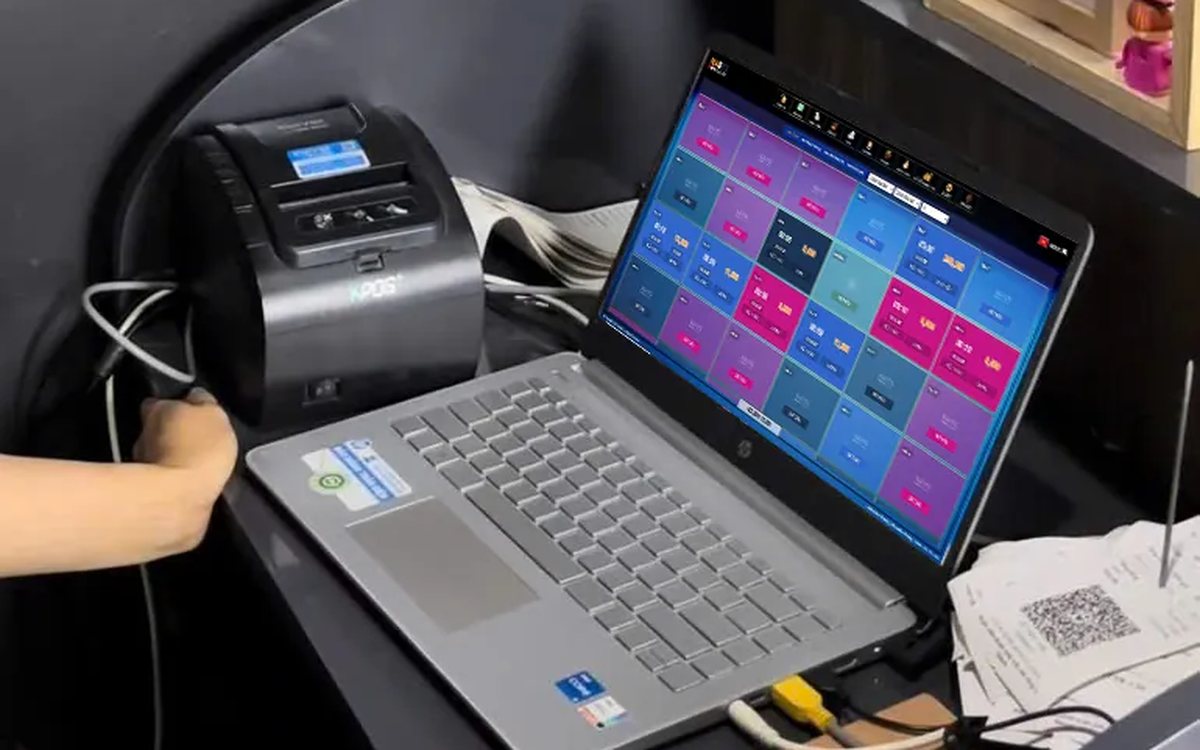
Replacing the notebook at the counter: debt is recorded as the table is closed and must be tied to a member, revenue counts only money actually received, and the debt report shows who owes what and the total outstanding.
Restaurants with several kitchens and printers: tickets to the right station
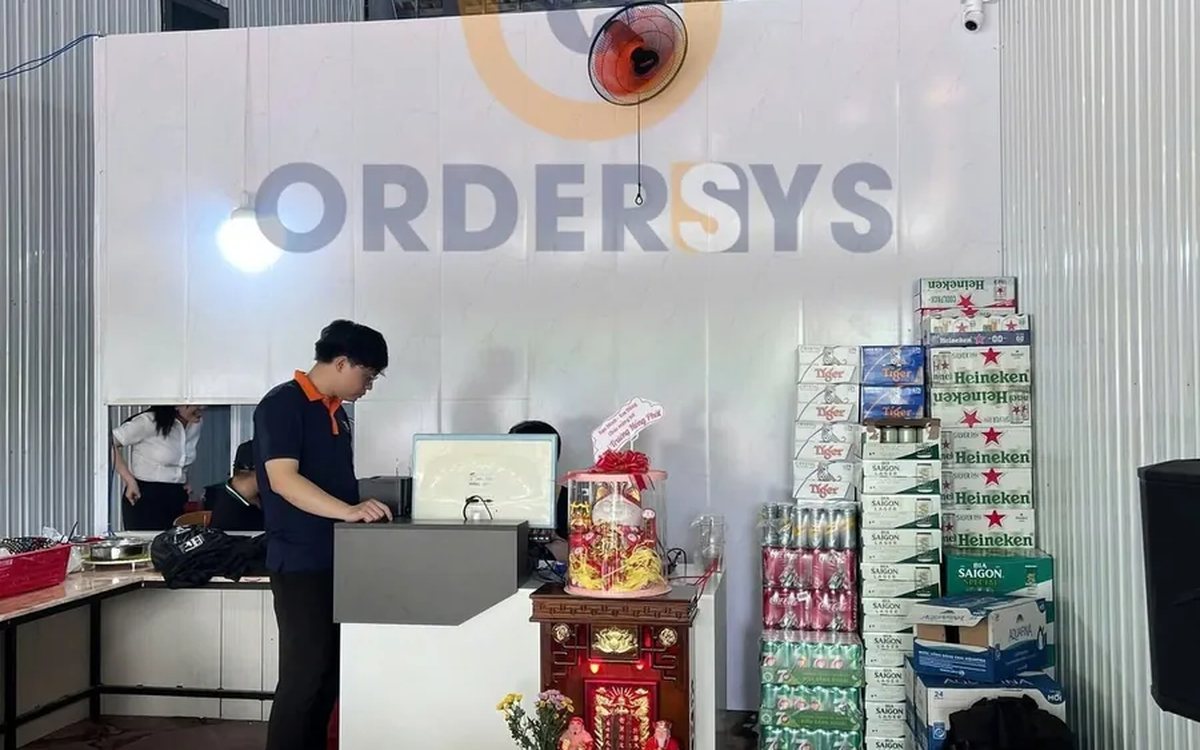
Hot kitchen, cold kitchen and bar each with their own printer. Assign product groups to each machine and the system splits tickets by station; choosing IP or USB printers, and where to look when the kitchen loses a ticket.

Tracking seasonal best sellers to update a coffee shop menu
A thirty-item menu where revenue comes from seven or eight drinks. Read the product report by period, set it next to cost, sort items into four groups, and only then decide to keep, push or drop.

Recurring hair care packages and membership cards for salons
A six-session conditioning package and a membership card are two different things, and managing them the same way is where it gets messy. Deduct the session on the ticket, split commission between the lead and the washer, and know how many sessions you still owe.

Managing employment contracts: renewal reminders and employee files
End of probation, contract expiry, documents lapsing — dates that come once per person and slip past easily. One file per employee with documents and expiry dates, and notice before each date arrives.
