



"How much does cafe software cost per month?" is the question owners ask most before trying it. The simplest answer splits it into three parts: the software fee paid monthly, equipment paid once, and the money the cafe loses every month that never appears in the expense book. The first part is on the pricing page; the last part is what decides whether the software is worth it.
What a cafe pays each month
| Item | When you pay | Notes |
|---|---|---|
| Software fee | Monthly, by plan, per branch | The lowest plan already covers all sales operations; higher plans add timekeeping and payroll |
| Setup, installation, training | Not charged | On-site installation and training, lifetime warranty |
| Staff accounts, number of orders | No extra charge | Unlimited accounts and orders |
| Equipment | Once, or use the devices the cafe already has | POS terminal or computer, receipt printer; a label printer if you sell a lot of takeaway |
| Receipt paper, label paper | Depends on sales volume | Consumables, not a software fee |
The fee for each plan is listed on the pricing page. Paying several years in advance locks in the price; cafes opening more branches get a discount from the second branch. Choosing equipment in three setups, from minimal to complete, is covered in what sales equipment a new cafe needs.
Money the cafe loses that never shows in the expense book
A cafe without software, or with a cash register used only to take payment, is still paying something every month. That cost just has no invoice:
| Cost | What usually happens | How to estimate it |
|---|---|---|
| Ingredient loss | No recipe per drink, so tea and milk run out at month end and nobody knows where it went | Compare ingredients bought in the month with cups sold times the recipe amount |
| Toppings not charged | At peak hours toppings are written by hand or typed as notes and never added to the price | Spot-check a few dozen receipts with toppings |
| Wrong takeaway cups | No labels, cups go to the wrong customer and must be remade | Number of remade drinks per week |
| Cash drawer mismatch | Cash, transfers and cards are not separated, the shift ends short and nobody knows why | Number of short shifts and the amounts in a month |
| The owner's time | Every night adding up revenue and counting ingredients by hand | Hours per week |
How to measure loss for each ingredient is covered in ingredient loss in a cafe: how to measure it and where it goes.
What cafe software must do to be worth the money
The software fee is only worth it if it plugs exactly the gaps in the table above. For coffee and milk tea shops, that means:
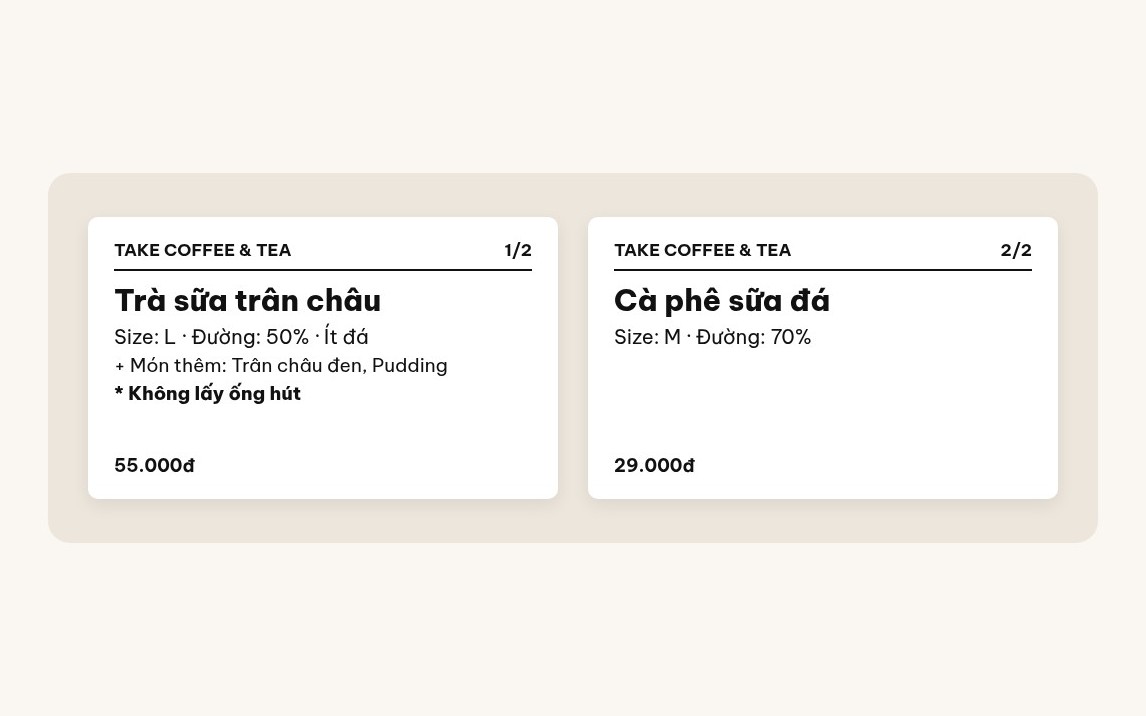
- Size, sugar, ice and toppings as buttons, with topping prices added to the cup automatically and no notes to type during rush hour.
- A label for every cup showing item name, size, sugar level, extras and notes.
- A customer-facing display showing each cup and the total with a transfer QR code; customers spot mistakes before the drink is made.
- Recipe quantities: each cup sold deducts the right ingredients, low-stock alerts, cost per cup.
- Shift closing that separates revenue by cash, transfer and card to match against the drawer.
Test it yourself during the 7-day trial
Use the free 7-day trial and do your cafe's real daily work: enter your actual menu with toppings, set recipes for your five best sellers, turn on label printing for takeaway items, close the shift every night. At the end of the week, compare the ingredients deducted with what is actually in stock, count the short shifts, then set them next to the costs in the table above. If ingredient loss and uncharged toppings alone exceed a month of the software fee, you have your answer.
Get a quote for your cafe
Ordersys coffee and milk tea shop software covers size and topping options, cup labels, a customer display, recipe quantities and shift closing; no setup fee, with on-site installation and training. See each plan's fee on the pricing page, sign up for a free 7-day trial, or message us on Zalo or call 090 750 1000 for advice on the right plan. If you are comparing several products, read cafe POS software: how to choose the right one.
Checkout in a few taps, print cup labels with toppings, send drinks to the bar screen and issue e-invoices from the POS.
Other news
How much does hair salon management software cost: what the price is based on, what a plan should include and the hidden costs of doing it by hand
Hair salon management software is usually quoted by salon size. What the price is based on (salons, chairs, how you take customers, equipment, term), what a salon plan should include (chair scheduling, lead stylist and assistant commission, colour formulas, retail products), five hidden costs of notebooks and how to test it during a 7-day trial.
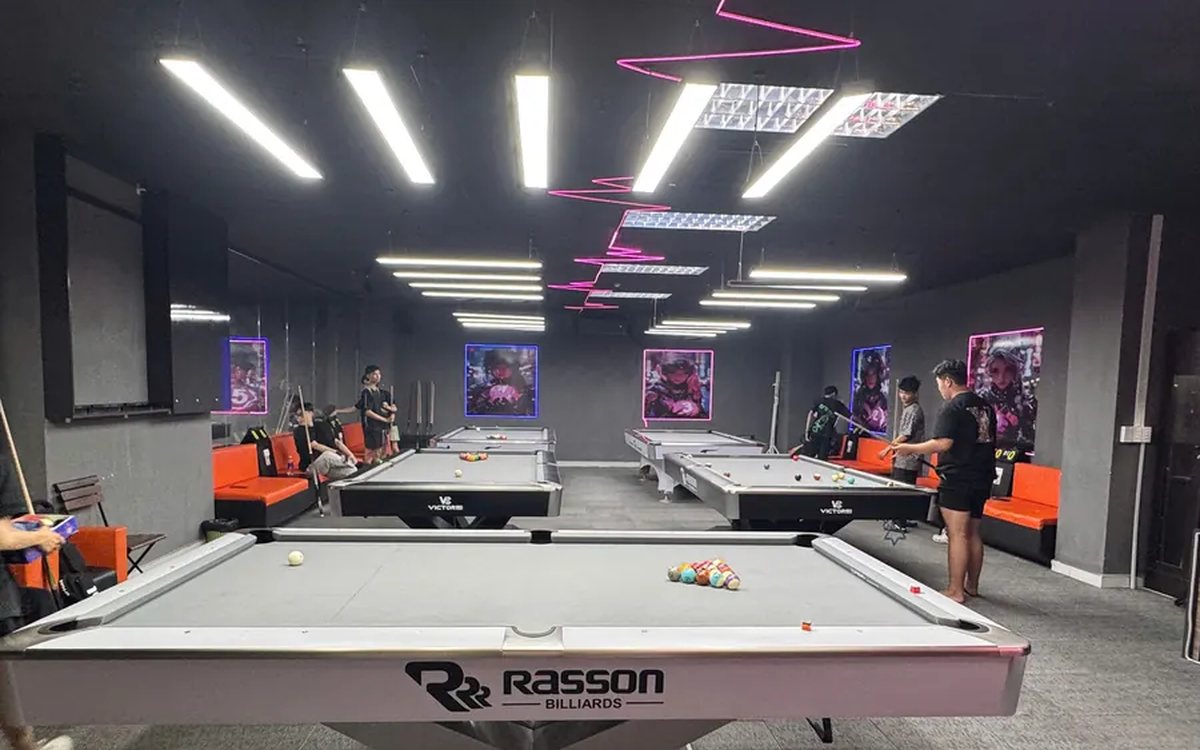
Billiards club management software in Hanoi: what it must do, and how setup and support work
Billiards club owners in Hanoi choosing software should look at two things: does it run the way the club already works (pool and carom tables, time-slot rates, multi-floor clubs, ordering at the table, table cameras), and who installs, trains and supports it. A situation checklist, four setup steps and three things to test during the 7-day trial.

How much does spa management software cost, and is it worth it: what the price is based on and how to estimate hidden costs
Spa management software is usually quoted by size. What the price is based on (locations, therapists, how you sell, equipment, term), what a spa plan should include, five hidden costs of running a spa on notebooks and Excel, and how to test whether it is worth it during a 7-day trial.
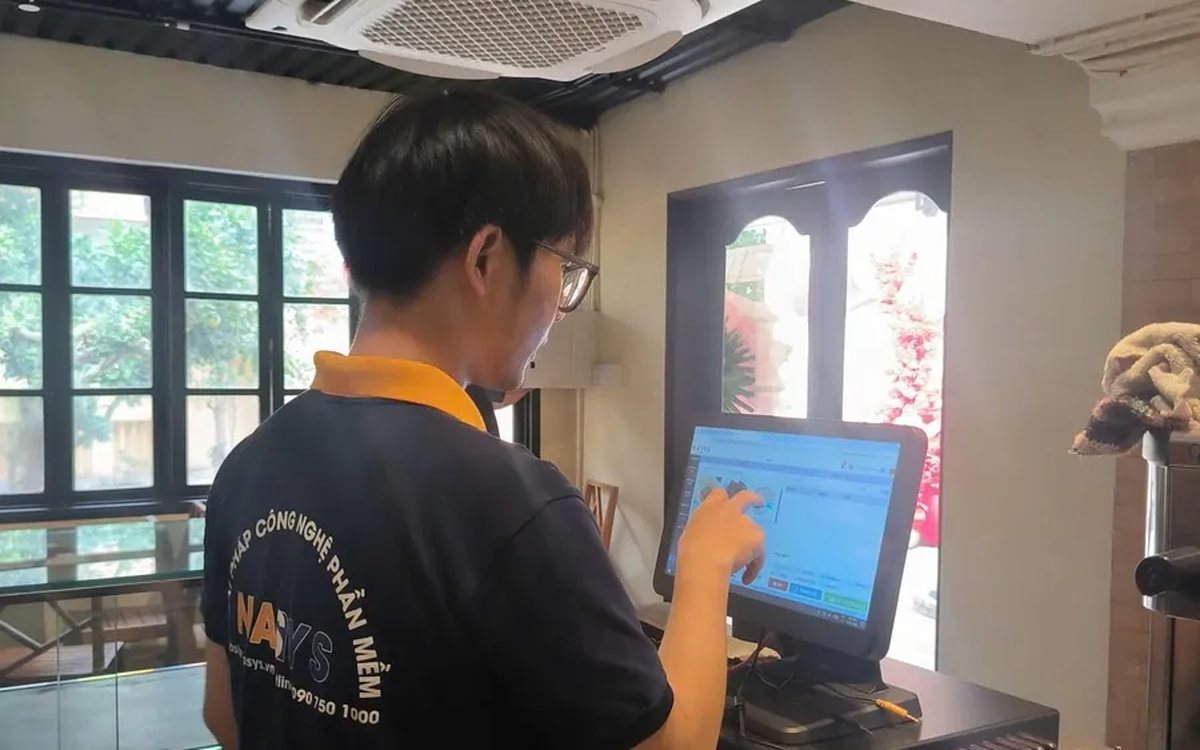
How much does HR management software cost? What the price is based on, what a plan includes and the hidden costs of manual payroll
HR software quotes are hard to compare because some charge per head and some per store. How to read a quote: what the price is based on, what attendance, scheduling, payroll and commission features a plan should include, costs outside the plan (setup, equipment, branches) and four hidden costs of tracking attendance in a notebook or Excel.
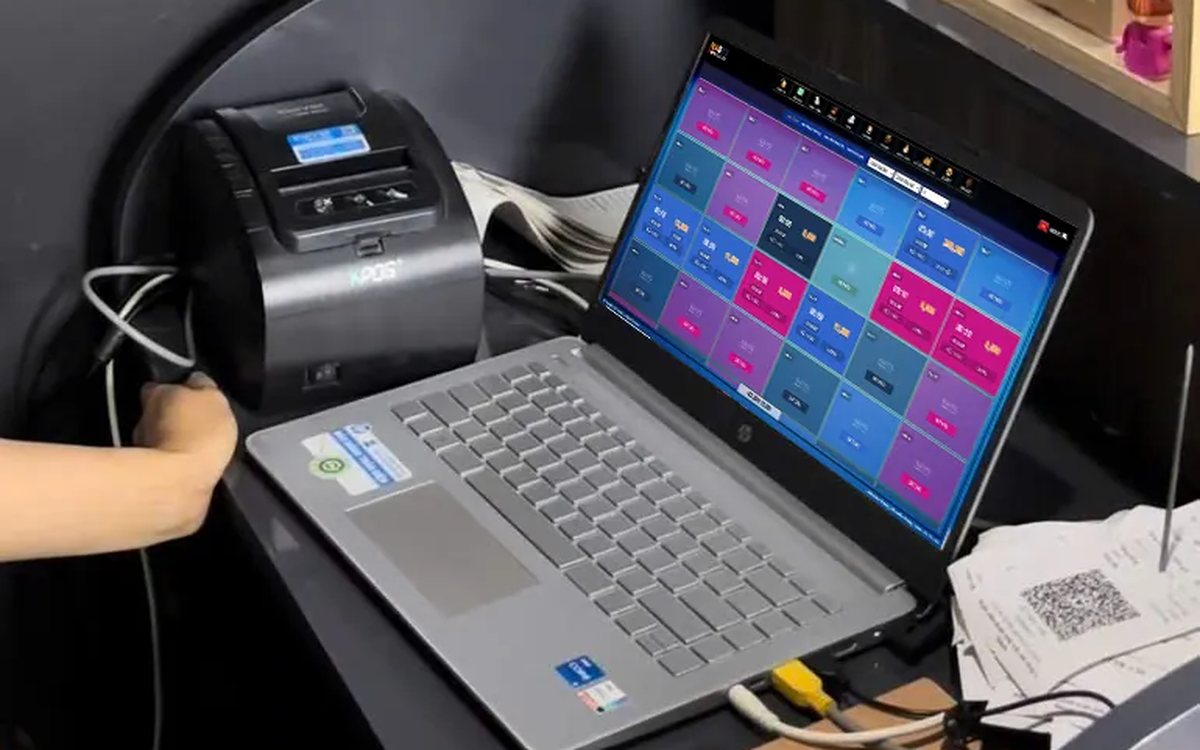
Switching billiards club software: how to move products, tables, hourly rates and regulars
Most of a billiards club's data moves to new software through Excel files, except table time, which is not a menu item. What can and cannot be moved, three places where file transfers go wrong (table-time lines, empty units, negative stock), rebuilding tables, rates and lights before cut-over, and running both systems in parallel until the numbers match.
A points-for-rewards programme for your shop: choosing rewards, promoting it at the counter and measuring take-up
When points are collected but few customers redeem, the problem is usually the rewards. Four kinds of reward and what the shop really spends, why to start with menu items and only two or three tiers, setting rewards up in the software so the cashier does not calculate by hand, three moments to mention it at the counter, and three numbers that show whether customers really take part.
Karaoke room map: seeing free rooms and rooms in use, and seating guests at peak hours
A karaoke room map has to answer three questions: which rooms are free, which are in use and which are booked. How to name and group rooms to match the real venue, four steps for reading the map to seat guests at peak hours without clashing with bookings, and two places where the map in the system often drifts from the real rooms.
Calculating customer lifetime value (CLV) for your shop: what a regular customer is worth
CLV is the money a customer brings in over the whole time they keep coming back. A four-number formula good enough for restaurants, cafés and spas and where to get each number, a trial calculation with assumed figures, using CLV to cap the cost of winning new customers, size offers for regulars and pick which group to focus on, plus three common mistakes.
Guests check their order and order more via QR: fewer "where is our food?" questions
The same QR page guests order from also holds the table's order: the item list, the status of each item, the subtotal and whether it is paid. How statuses appear depending on the kitchen setup, ordering more and calling staff from the same page, and three things to make guests actually use it.
