



Doanh thu cao chưa chắc lãi cao. Cửa hàng bán lẻ nào cũng có vài mặt hàng bán chạy nhất mà lãi mỏng nhất — khách mua nhiều vì giá rẻ hơn chỗ khác, còn tiền lời nằm ở những món ít ai để ý. Muốn biết thì phải xem lãi gộp theo từng mặt hàng, không chỉ tổng doanh thu cuối ngày.
Lãi gộp một mặt hàng
Lãi gộp = (giá bán − giá vốn) × số lượng bán. Biên lãi gộp = (giá bán − giá vốn) ÷ giá bán.
Giá vốn là giá nhập cộng các khoản đi theo hàng: phí vận chuyển về cửa hàng, hàng hỏng trong lô. Nhập nhiều lần với giá khác nhau thì dùng giá vốn bình quân — phần mềm tự tính mỗi lần nhập.
Ví dụ: bảng xếp hạng đổi hẳn
| Mặt hàng | Bán/tháng | Giá bán | Giá vốn | Biên | Lãi gộp/tháng |
|---|---|---|---|---|---|
| Sữa hộp lốc 4 | 420 | 32.000đ | 30.400đ | 5% | 672.000đ |
| Nước suối 500ml | 900 | 6.000đ | 4.200đ | 30% | 1.620.000đ |
| Dầu gội 650ml | 60 | 135.000đ | 104.000đ | 23% | 1.860.000đ |
| Bánh quy hộp | 80 | 55.000đ | 36.000đ | 35% | 1.520.000đ |
Theo doanh thu, sữa hộp đứng đầu (13,4 triệu). Theo lãi gộp, nó đứng cuối — 420 lốc chỉ lời 672.000đ. Số liệu trên là ví dụ minh hoạ; cửa hàng bạn sẽ có bảng của riêng mình.
Đọc bảng này để làm gì
- Hàng bán chạy, biên mỏng: đừng bỏ — nó kéo khách vào. Đặt ở cuối lối đi để khách đi ngang qua hàng khác, và đừng giảm giá thêm.
- Hàng biên dày, bán chậm: đưa ra chỗ dễ thấy, gợi ý ở quầy, làm combo với hàng bán chạy.
- Hàng biên mỏng, bán chậm: xem có nên bỏ khỏi kệ.
- Biên tụt dần qua các tháng: giá nhập đã tăng mà giá bán đứng yên. Đây là chỗ mất tiền âm thầm nhất.
Ba chỗ làm con số lãi sai
- Không nhập giá vốn khi nhập hàng — phần mềm không có gì để trừ.
- Hàng khuyến mãi, tặng kèm không ghi thành xuất kho — tồn còn mà hàng đã đi.
- Hàng hỏng, hết hạn vứt đi mà không làm phiếu huỷ — lãi trên máy cao hơn thật.
Ordersys làm phần nào
Phần mềm bán lẻ Ordersys báo cáo lãi gộp theo từng sản phẩm và hàng bán chạy theo ngày, tuần, tháng; giá vốn cập nhật theo từng lần nhập và theo nhà cung cấp. Xem phần mềm quản lý bán lẻ Ordersys.
Đọc tiếp: tồn tối thiểu: khi nào phải nhập hàng lại · phần mềm bán lẻ cho cửa hàng nhỏ: cần gì, không cần gì.
Xem thêm: phần mềm quản lý bán hàng miễn phí dùng được tới đâu.
Xem thêm: phần mềm quản lý bán hàng tốt nhất hiện nay.
Sell by barcode, track stock across units, manage debts and see profit every day.
Other news

Selling set menus and meal combos in a restaurant: setting them up so the kitchen, stock and counter agree
Set up a set as an ordinary dish and the kitchen does not know what "Set B" contains, stock does not deduct ingredients, and swaps are edited by hand at the counter. How a set menu differs from a combo, how to set up dish groups, default dishes and extra charges, and what the kitchen, the bill and stock see when a combo is sold.
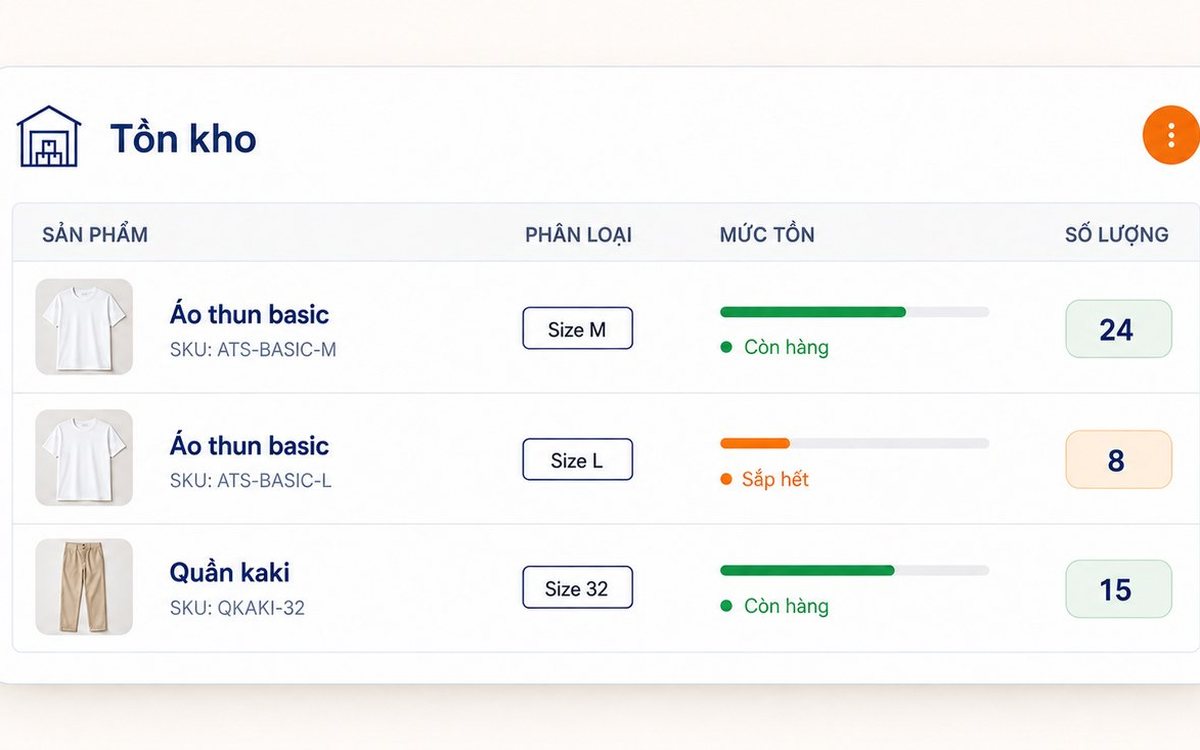
Unit of measure conversion: buy by the case, sell single items and keep stock accurate
When the stock book counts cases and the counter counts pieces, the two numbers cannot be compared at month end. Three ways of setting up items that throw stock off, how to set up unit conversion in the software, receiving by the case while stock counts in cans, and a few rules worth agreeing on in the stockroom.

Fingerprint time clock connected to software: hours go straight into payroll
A fingerprint device stops buddy punching, but it only records punch times. What the device does and what needs HR software, four steps from a finger on the scanner to a payslip, five things to do before buying a device, and how to handle a finger the device will not recognise.
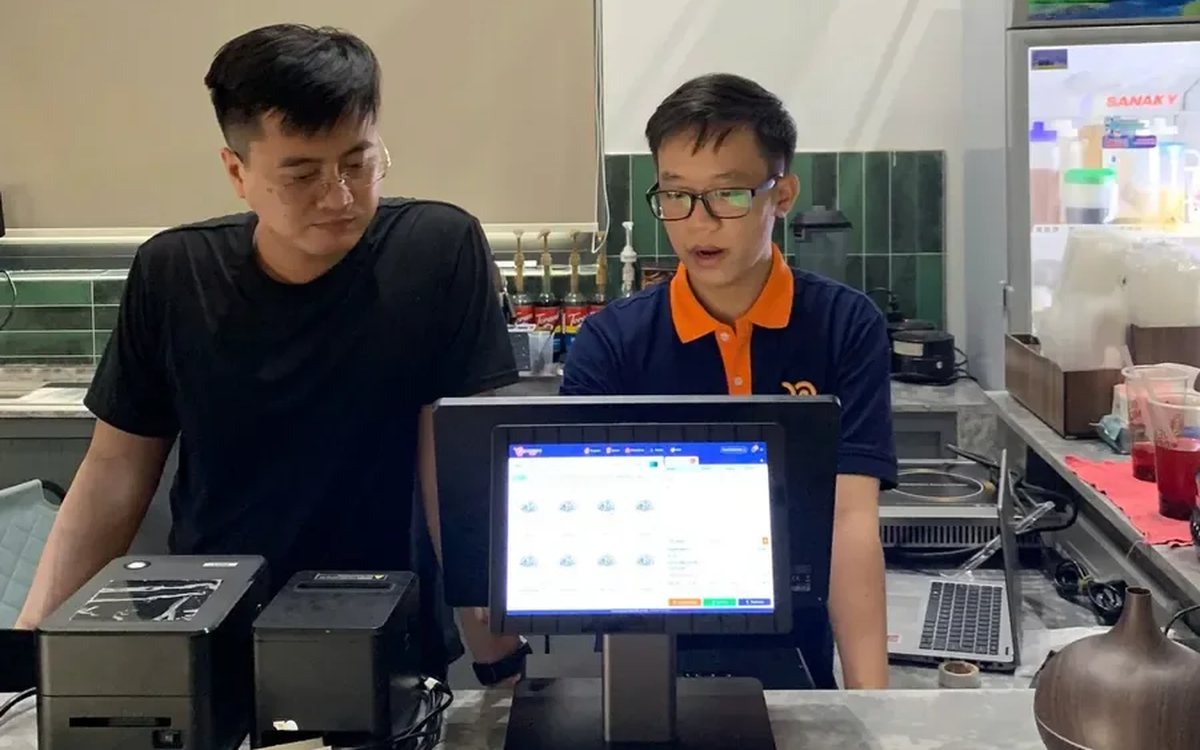
Coffee shop shift handover: closing the shift, reconciling cash and taking over cleanly
A rushed handover of one sentence, "there's about two million in the drawer", means that when the cash is short at night nobody knows which shift it came from. Three things to settle at handover, five steps to close and open a shift in the software, what the shift details show the owner, and a few rules worth posting at the counter.

Revenue reports by stylist at a hair salon: how to read them fairly
A revenue-by-stylist table is easily read as a ranking, yet stylists on the evening shift, those taking colouring and perming, or shampoo assistants have very different numbers. Where the data comes from, which column answers which question, how to compare fairly, and using the report to finalise commission, assign customers and train staff.
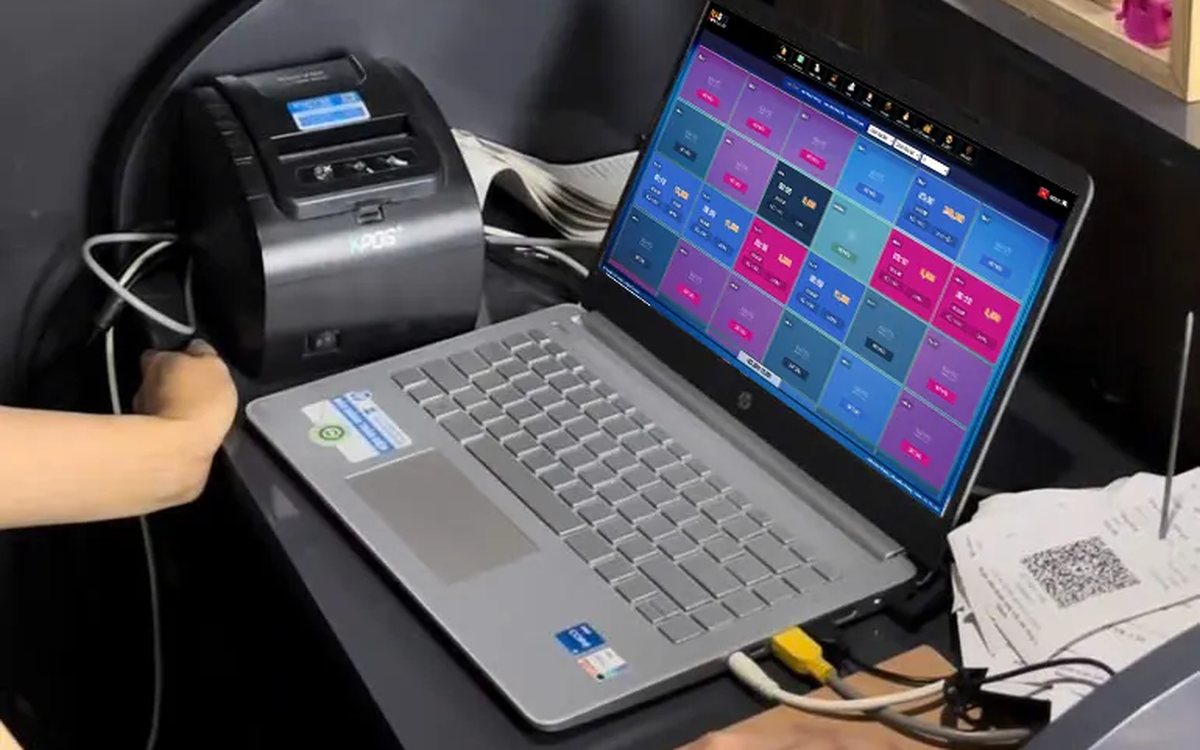
Showing the running total for a billiards table in play: give customers the right number before checkout
When customers ask "how much are we at?" and staff do the sum in their head, the bill at payment often differs and arguments follow. Two ways to see the running total in the software, what the provisional invoice includes, when the number still changes, pausing with a trail, and logging items added after an interim print.

Managing tips for karaoke room servers: recording and sharing them transparently
Karaoke guests tip in cash, by adding to the bill or by overpaying a transfer. The last two pass through the venue's fund, and if nobody records them, suspicion follows. Three kinds of tips and where the money sits, individual or pooled tips, recording tips at payment, and paying them out at shift end transparently.
Duplicate customers in your list: how to merge them without losing history
One customer with three profiles means points split three ways, never reaching a higher tier, and reports counting them as new customers. Five sources of duplicates, the signs to look for, how to merge while keeping purchase history and loyalty points, and counter habits that stop duplicates from the start.

Booking deposits for nail salons in peak season: who to ask, what to say, where the money goes
In peak season, every missed booking wastes a prime time slot of your best technician. Which bookings need a deposit and which do not, three things to say when you take one, which technician it holds, and how the deposit moves through the software so the cash fund still matches at the end of the day.
