



Một ly trà sữa bán 35.000đ lời bao nhiêu? Phần lớn chủ quán trả lời theo cảm giác. Giá vốn một ly thật ra chỉ là phép cộng — nhưng hay bị quên ly, nắp, ống hút, tem, và quên rằng một kg đường không pha được đúng một nghìn gam vào ly. Máy tính dưới đây sửa được từng dòng theo giá bạn mua.
Máy tính giá vốn một ly
| Nguyên liệu | Giá mua (đ) | Mua theo (g/ml/cái) | Dùng mỗi ly | Thành tiền |
|---|
Giá trong món mẫu là ví dụ để bắt đầu — sửa theo hoá đơn nhập hàng của quán bạn.
Đọc kết quả thế nào
| Tỷ lệ giá vốn / giá bán | Nghĩa là |
|---|---|
| Dưới 25% | Biên tốt, còn chỗ cho khuyến mãi và tiền thuê mặt bằng |
| 25–35% | Mức phổ biến của đồ uống pha chế; cần kiểm soát hao hụt |
| Trên 35% | Xem lại định lượng, nhà cung cấp, hoặc giá bán |
Tỷ lệ này mới là giá vốn nguyên liệu. Tiền thuê, lương, điện nước chưa nằm trong đó — xem bức tranh cả quán ở bài mở quán cà phê cần bao nhiêu vốn và mở quán trà sữa cần bao nhiêu vốn.
Bốn khoản hay bị quên
- Ly, nắp, ống hút, túi. Với ly mang đi, bộ bao bì có thể chiếm một phần đáng kể giá vốn.
- Tem dán ly. Nhỏ nhưng ly nào cũng có.
- Topping miễn phí. Cho thêm trân châu mà không bấm vào đơn thì giá vốn tăng, doanh thu không tăng.
- Hao hụt. Trà ủ quá giờ đổ bỏ, trân châu nấu dư cuối ngày, sữa hết hạn. Ô "Hao hụt" ở trên cộng thêm phần này vào nguyên liệu.
Tính một lần, còn phải giữ đúng mỗi ngày
Con số trên máy tính chỉ đúng khi người pha làm đúng định lượng và mọi topping đều được bấm vào đơn. Phần mềm Ordersys cho khai công thức từng ly: mỗi ly bán ra trừ đúng lượng trà, sữa, đường, trân châu trong kho, giá topping tự cộng vào ly, nên cuối tháng so được nguyên liệu dùng thật với nguyên liệu lẽ ra phải dùng. Xem phần mềm tính tiền quán cà phê, trà sữa Ordersys.
Món ăn thì dùng công cụ giá vốn món ăn và định giá menu.
Checkout in a few taps, print cup labels with toppings, send drinks to the bar screen and issue e-invoices from the POS.
Other news

Managing tips for karaoke room servers: recording and sharing them transparently
Karaoke guests tip in cash, by adding to the bill or by overpaying a transfer. The last two pass through the venue's fund, and if nobody records them, suspicion follows. Three kinds of tips and where the money sits, individual or pooled tips, recording tips at payment, and paying them out at shift end transparently.
Duplicate customers in your list: how to merge them without losing history
One customer with three profiles means points split three ways, never reaching a higher tier, and reports counting them as new customers. Five sources of duplicates, the signs to look for, how to merge while keeping purchase history and loyalty points, and counter habits that stop duplicates from the start.
Booking deposits for nail salons in peak season: who to ask, what to say, where the money goes
In peak season, every missed booking wastes a prime time slot of your best technician. Which bookings need a deposit and which do not, three things to say when you take one, which technician it holds, and how the deposit moves through the software so the cash fund still matches at the end of the day.
QR digital menu: change prices and hide sold-out dishes without reprinting
A QR menu can change right away without reprinting, but you need the right switch. Three ways to stop customers ordering a dish by QR, whether a price change affects dishes already ordered, what the kitchen's Sold out button really does, and a three-step routine for busy hours.
Tracking spa appointment status: arrived, late or cancelled
The hard part of spa appointments is not writing them down but knowing what state each one is in right now. Six statuses and what reception should do at each, how to handle no-shows, and how to cancel and undo bookings while deposits still match the cash book.
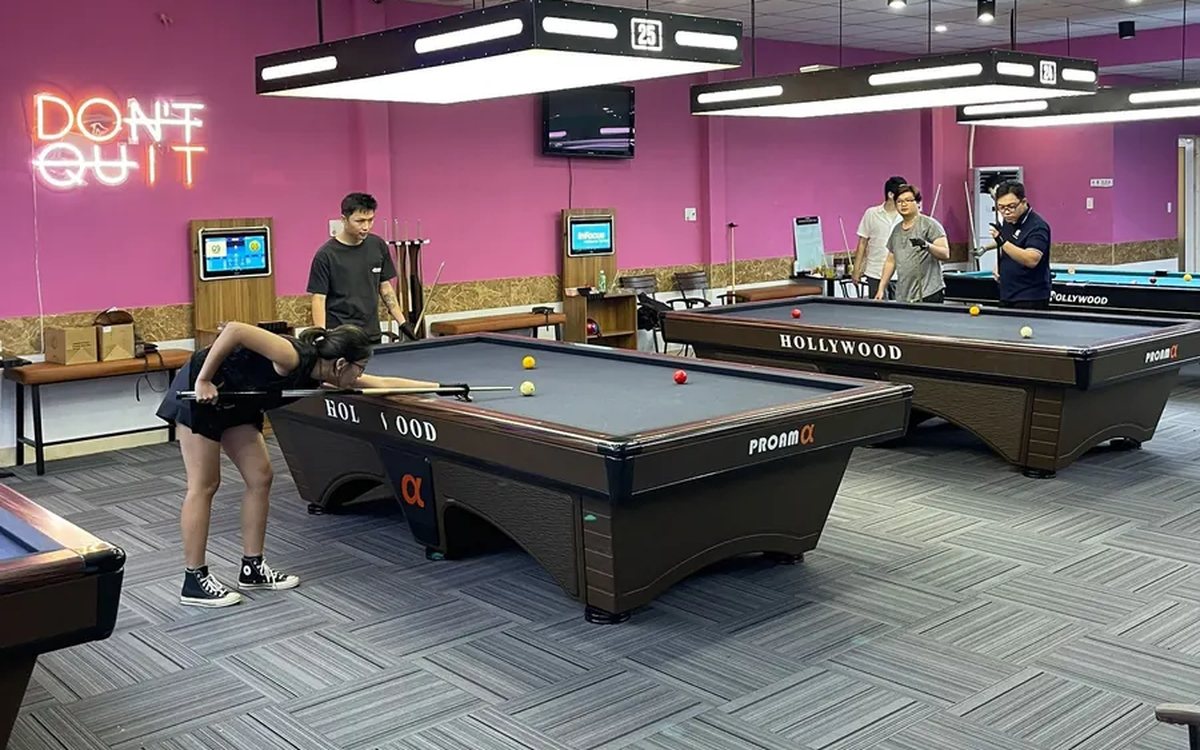
Transferring a billiard table: keep time played and items ordered, charge each table correctly
Guests switching tables mid-session is routine at a billiard hall. Press Transfer table and the time played closes at the old table's price, further time runs at the new table's price, and ordered items travel with the bill. This article shows how the bill looks, when a transfer is not possible and where the owner can review it.
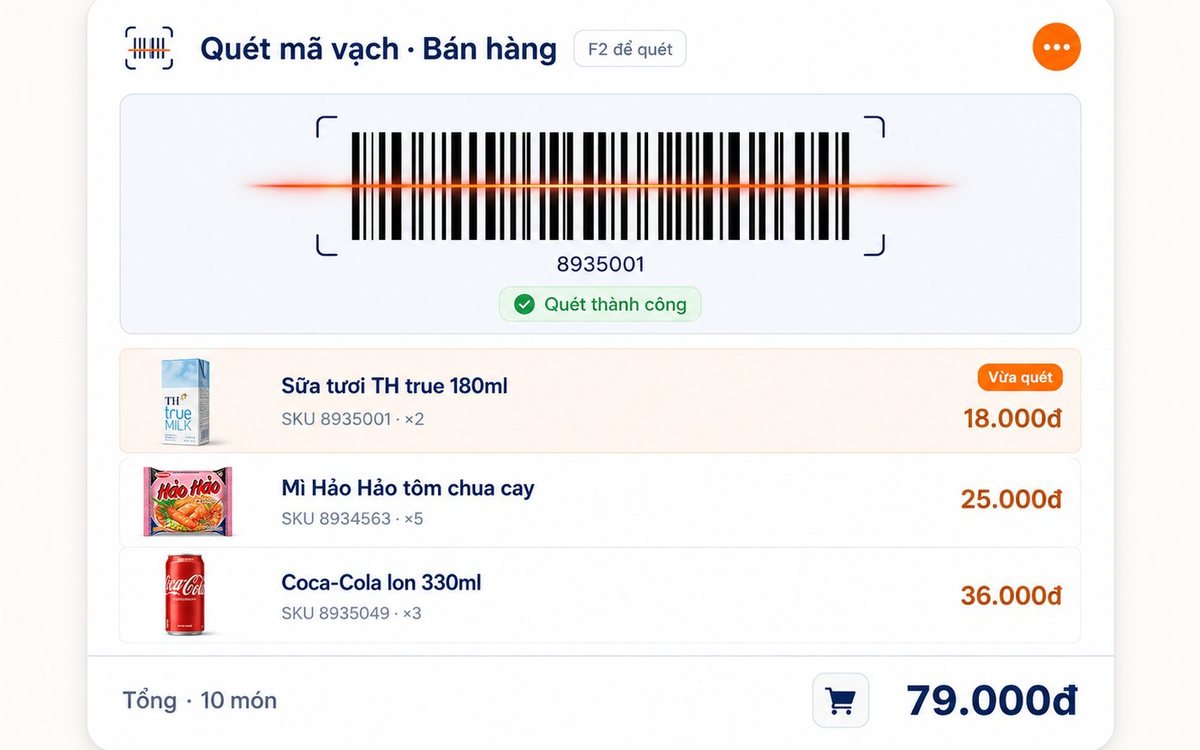
Pharmacy and grocery software: barcodes, expiry dates, fast selling
Pharmacies and grocery shops struggle the same way: many items, small values, a customer waiting, and stock with expiry dates. Barcode selling, lot and expiry travelling with the goods from receipt, case-to-box conversion, stock levels — and one point pharmacies should ask about before choosing software.
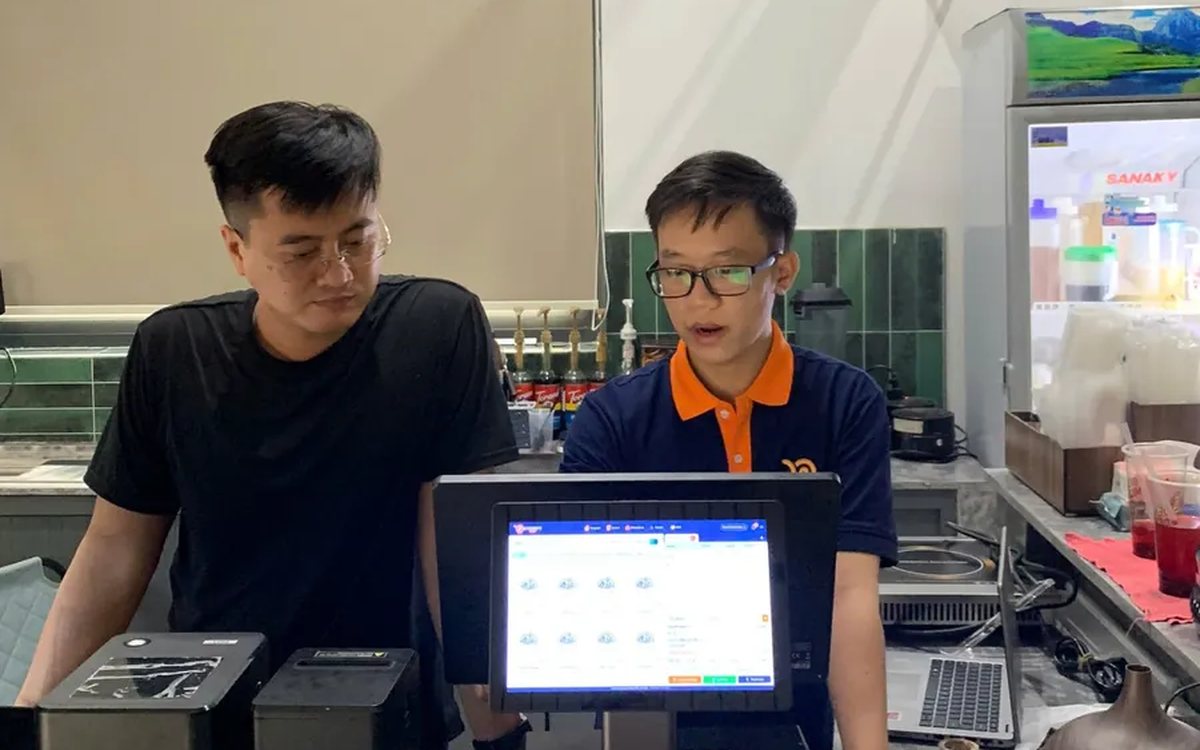
Paying part-time staff by the hour in restaurants and coffee shops
Monthly salary does not fit part-timers on four or five-hour shifts with a roster that changes weekly. The four things to set up properly — shifts, attendance, the hourly rate, the closing cycle — and why worked hours must come from attendance rather than from the roster.
Massage shops: booking rooms, beds and therapists without overlaps
Two customers on one bed is the kind of mistake that loses guests quietly. The three sources of overlap in a massage shop, how the software blocks bed conflicts using start time plus duration and a buffer on both sides, what the machine guards and what people still have to, and four rules to agree on before switching on.
