



Quán trà sữa có vẻ dễ mở vì không cần bếp lớn, nhưng khoản làm chủ quán bất ngờ lại nằm ở chỗ khác: tiền mặt bằng đẹp và giờ cao điểm không bán kịp. Máy tính dưới đây cho chọn từ ki-ốt mang đi tới quán vừa có chỗ ngồi, sửa từng khoản theo số thật rồi xem lãi và thời gian hoàn vốn.
Số mặc định là mức gợi ý để có điểm xuất phát, không phải báo giá. Tiền thuê khác nhau rất nhiều theo vị trí — hãy sửa bằng số thật của mặt bằng đang xem.
Vốn mở quán trà sữa gồm những khoản nào
| Khoản | Ghi chú |
|---|---|
| Cọc và sửa mặt bằng | Trà sữa bán theo lượng người qua lại, nên mặt bằng đẹp đắt hơn hẳn mặt bằng trong hẻm |
| Quầy pha, tủ mát, máy nấu trân châu, máy ép miệng ly | Không cần bếp lớn, nhưng thiếu máy là chậm ở giờ cao điểm |
| Máy tính tiền, máy in tem, phần mềm | Máy in tem dán ly giúp không đưa nhầm ly khi bán mang đi nhiều |
| Vốn dự phòng | Để quán sống qua mấy tháng đầu và các đợt khuyến mãi |
Khoản hay bị bỏ quên: vốn dự phòng
Trà sữa phụ thuộc mùa và xu hướng: có tháng đông, có tháng vắng hẳn khi mưa nhiều hoặc khi quanh khu mở thêm quán mới. Nên để riêng một khoản đủ trả tiền thuê và lương ít nhất hai đến ba tháng.
Bao nhiêu ly một ngày thì hoà vốn
Thử giảm số ly bán mỗi ngày trong máy tính cho tới khi lãi về 0 — đó là mức hoà vốn. Đem chia cho số giờ mở cửa để ra số ly mỗi giờ, rồi đứng quan sát lượng khách ở vài quán quanh khu vào giờ tan học, tan làm.
Ba chỗ làm lãi thật thấp hơn lãi trên giấy
- Topping thêm không tính tiền. Nhân viên cho thêm topping mà không bấm vào đơn, giá vốn tăng mà doanh thu không tăng. Topping phải là nút bấm có giá.
- Định lượng không đều. Mỗi người pha một kiểu thì giá vốn mỗi ly mỗi khác. Khai công thức cho từng ly để biết lượng trà, sữa, trân châu thật sự dùng.
- Thuế. Số lãi trong máy tính là lãi trước thuế; doanh thu từ 1 tỷ đồng/năm còn phải dùng hoá đơn điện tử khởi tạo từ máy tính tiền.
Phần mềm cho quán trà sữa
Ordersys có phần mềm riêng cho quán cà phê, trà sữa: chọn size, đường, đá, topping bằng nút, in tem dán từng ly, định lượng pha chế — từ 140.000đ/tháng. Xem phần mềm quản lý quán cà phê, trà sữa, và vốn mở quán cà phê nếu anh chị đang cân nhắc giữa hai mô hình.
Checkout in a few taps, print cup labels with toppings, send drinks to the bar screen and issue e-invoices from the POS.
Other news
Revenue reports by stylist at a hair salon: how to read them fairly
A revenue-by-stylist table is easily read as a ranking, yet stylists on the evening shift, those taking colouring and perming, or shampoo assistants have very different numbers. Where the data comes from, which column answers which question, how to compare fairly, and using the report to finalise commission, assign customers and train staff.
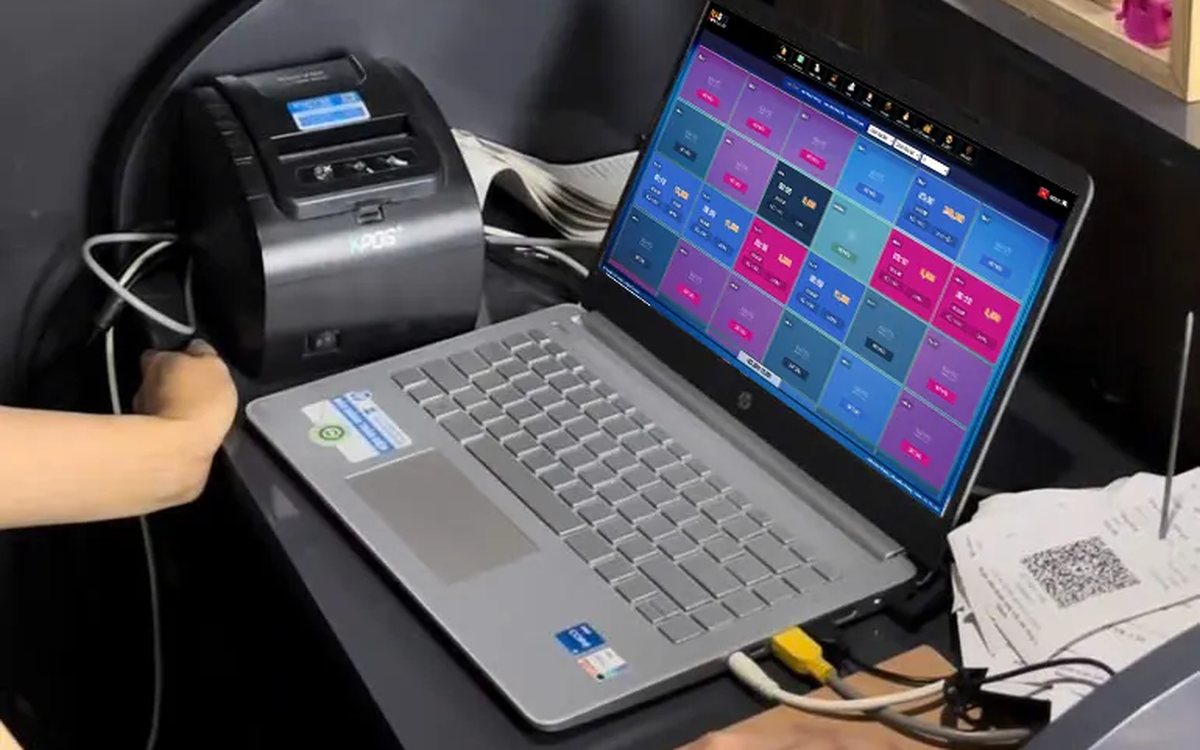
Showing the running total for a billiards table in play: give customers the right number before checkout
When customers ask "how much are we at?" and staff do the sum in their head, the bill at payment often differs and arguments follow. Two ways to see the running total in the software, what the provisional invoice includes, when the number still changes, pausing with a trail, and logging items added after an interim print.

Managing tips for karaoke room servers: recording and sharing them transparently
Karaoke guests tip in cash, by adding to the bill or by overpaying a transfer. The last two pass through the venue's fund, and if nobody records them, suspicion follows. Three kinds of tips and where the money sits, individual or pooled tips, recording tips at payment, and paying them out at shift end transparently.
Duplicate customers in your list: how to merge them without losing history
One customer with three profiles means points split three ways, never reaching a higher tier, and reports counting them as new customers. Five sources of duplicates, the signs to look for, how to merge while keeping purchase history and loyalty points, and counter habits that stop duplicates from the start.
Booking deposits for nail salons in peak season: who to ask, what to say, where the money goes
In peak season, every missed booking wastes a prime time slot of your best technician. Which bookings need a deposit and which do not, three things to say when you take one, which technician it holds, and how the deposit moves through the software so the cash fund still matches at the end of the day.
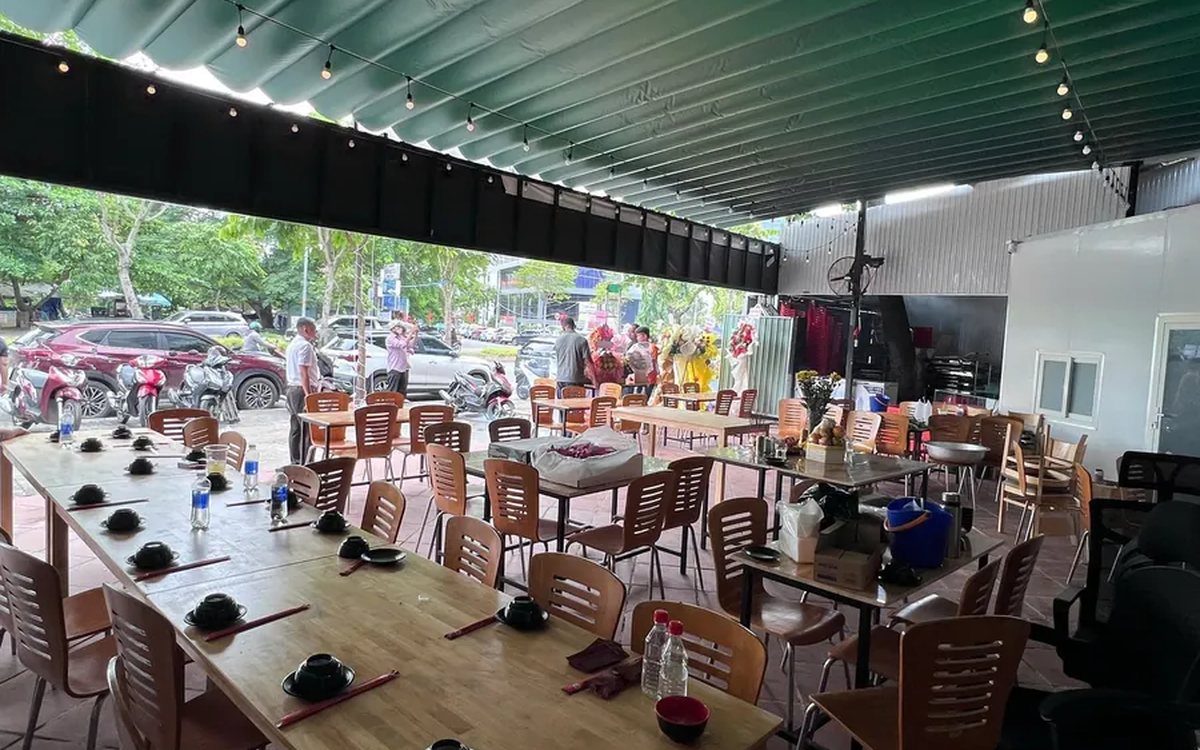
QR digital menu: change prices and hide sold-out dishes without reprinting
A QR menu can change right away without reprinting, but you need the right switch. Three ways to stop customers ordering a dish by QR, whether a price change affects dishes already ordered, what the kitchen's Sold out button really does, and a three-step routine for busy hours.
Tracking spa appointment status: arrived, late or cancelled
The hard part of spa appointments is not writing them down but knowing what state each one is in right now. Six statuses and what reception should do at each, how to handle no-shows, and how to cancel and undo bookings while deposits still match the cash book.
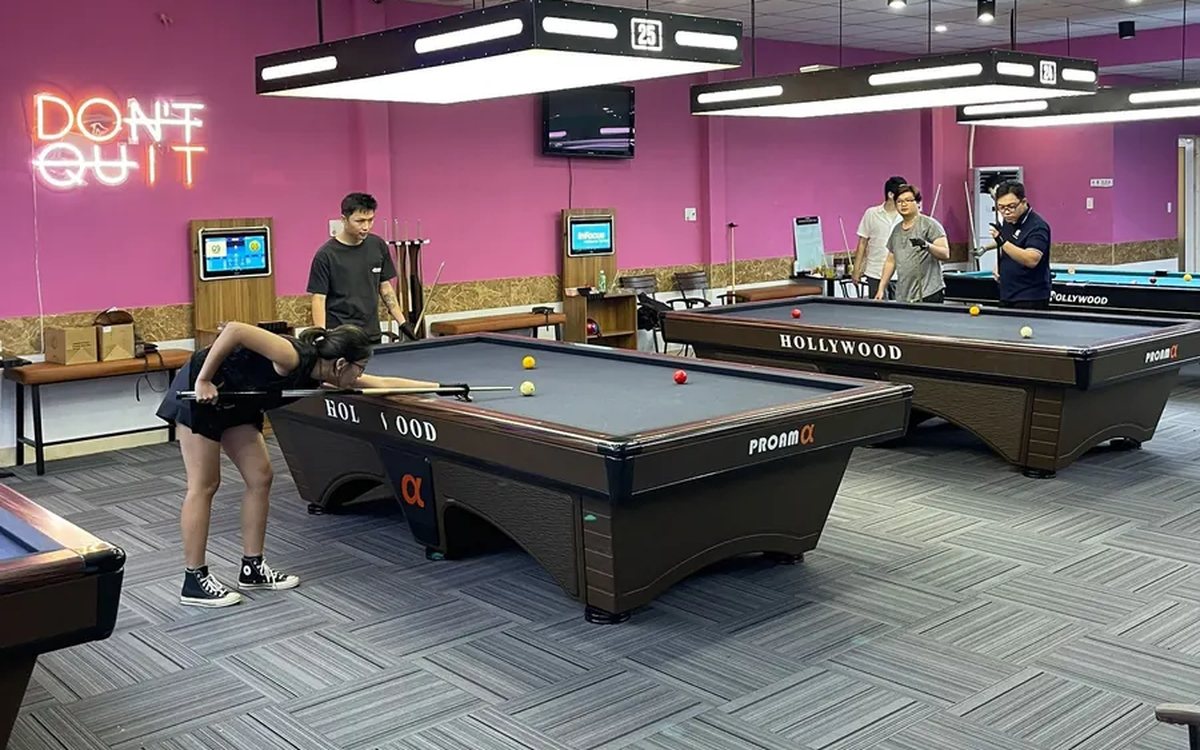
Transferring a billiard table: keep time played and items ordered, charge each table correctly
Guests switching tables mid-session is routine at a billiard hall. Press Transfer table and the time played closes at the old table's price, further time runs at the new table's price, and ordered items travel with the bill. This article shows how the bill looks, when a transfer is not possible and where the owner can review it.
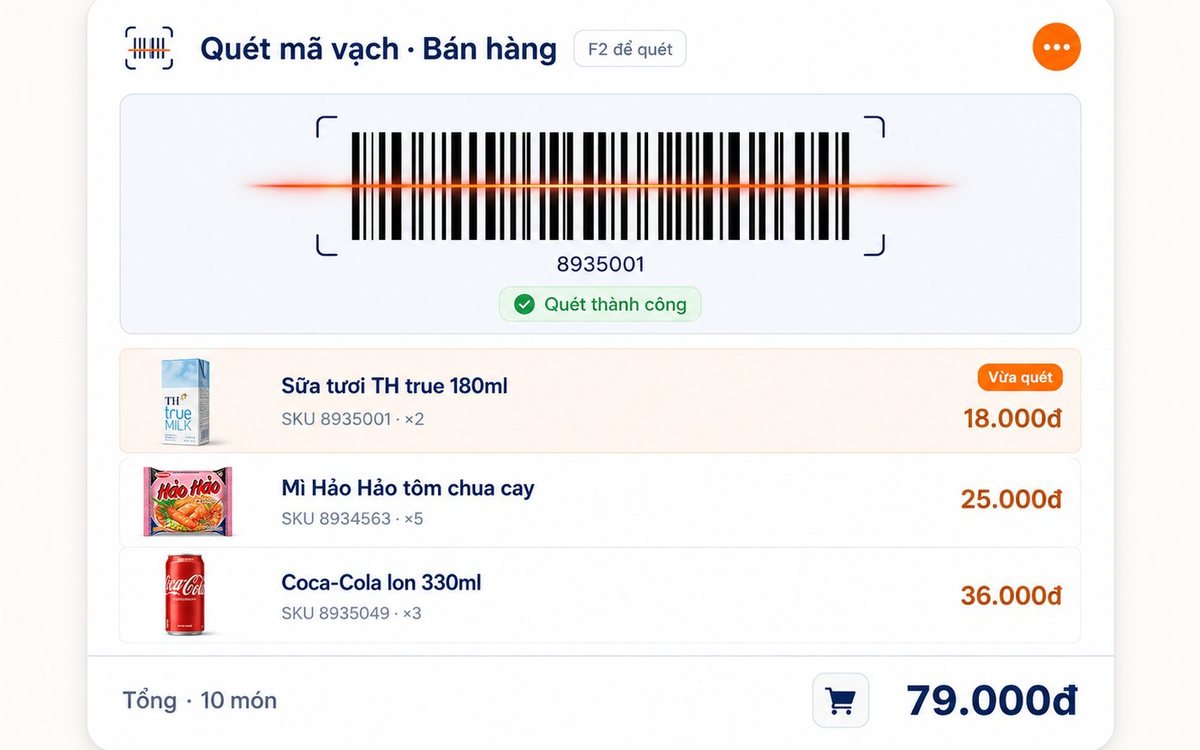
Pharmacy and grocery software: barcodes, expiry dates, fast selling
Pharmacies and grocery shops struggle the same way: many items, small values, a customer waiting, and stock with expiry dates. Barcode selling, lot and expiry travelling with the goods from receipt, case-to-box conversion, stock levels — and one point pharmacies should ask about before choosing software.
